
Snow Rails for Metal Roof
-

Hardy Rib Snow Rail 38-inch Length
$12.00 USD
You save Select options This product has multiple variants. The options may be chosen on the product page -
Hardy Rib Steel Roofing Snow Rail 80′ Kit (20pcs@4ft)
$195.00 USD
You save Select options This product has multiple variants. The options may be chosen on the product page -

S-5! ColorGard Snow Rail 7ft 8in Pre-punched (Series 2.0)
$47.00 USD
You save Add to cart -
S-5! ColorGard Snow Rail 7ft 8in Un-punched (Series 2.0)
$42.00 USD
You save Add to cart
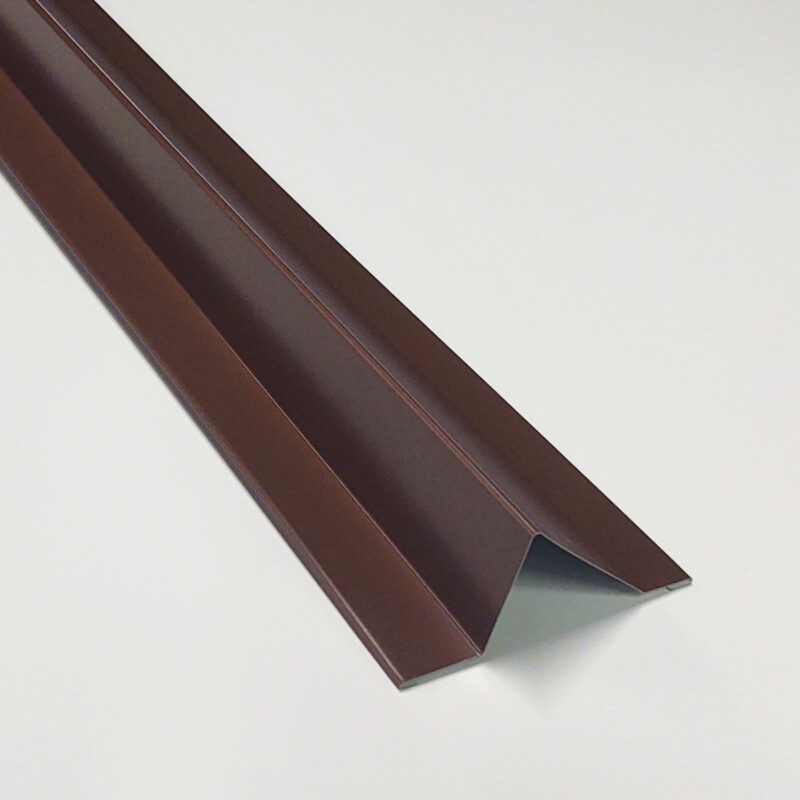
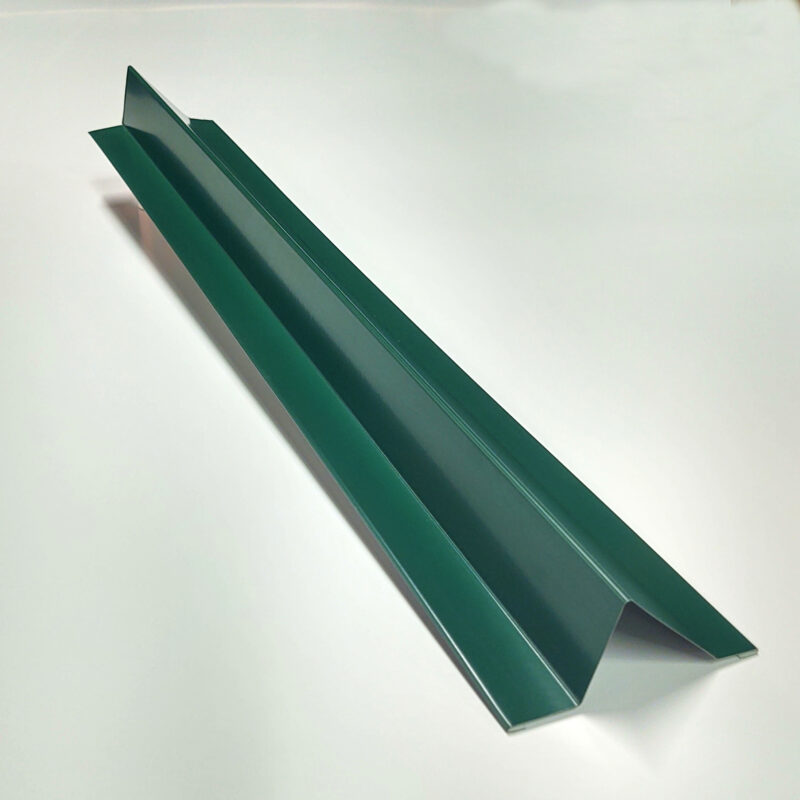
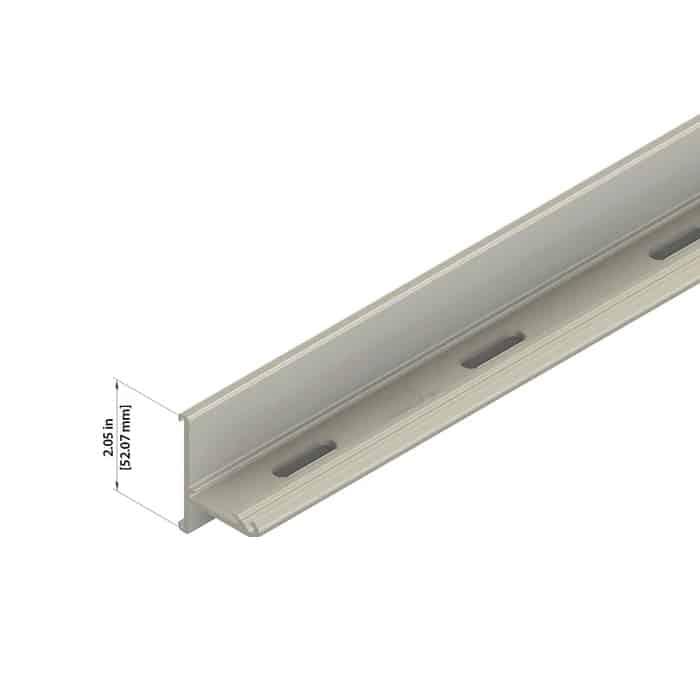
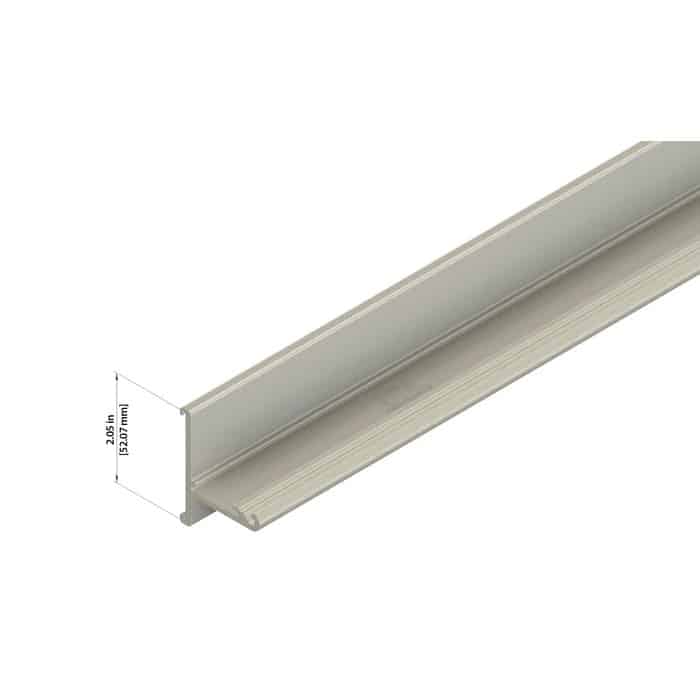
Shop snow rails for metal roofs, designed to help manage snow and ice on ribbed, corrugated, and standing seam metal roofs. Supply Maverick carries practical snow rail options, including Hardy Rib snow rails for compatible ribbed panels and S-5 ColorGard snow rails for standing seam and engineered snow retention applications. Use this category to compare rail length, roof compatibility, finish options, and the accessories you may need before ordering.
Metal roof snow rails are continuous snow retention systems. They help hold snow in place so it can melt or release more gradually, reducing the chance of large sheets sliding toward gutters, entry areas, lower roofs, vehicles, or landscaping. Before choosing a system, start with your roof profile: Ribbed and corrugated exposed fastener panels usually follow a different purchasing path than standing seam panels.
Need help choosing? Contact Supply Maverick before placing a large order if you’re unsure about roof profile, clamp compatibility, or snow rail layout.
Choose the Right Snow Rail for Your Roof Type
The best snow rail choice starts with the roof in front of you. Price factors in, but panel profile, seam spacing, rail length, and the attachment method decide whether the product belongs on your roof in the first place. Here’s a quick way to narrow down the category before you click into a product page.
| If your roof is | Start with | Why it fits the project | Suggested action |
| Hardy Rib or compatible ribbed metal roofing | Hardy Rib Snow Rail 38-inch Length or Hardy Rib Steel Roofing Snow Rail 80′ Kit | These options are designed for shoppers seeking a ribbed-panel snow rail solution, with individual and kit formats available. | View Hardy Rib snow rails. |
| Standing seam metal roof | S-5 ColorGard Snow Rail | Standing seam projects often use clamp-mounted snow retention, and clamp choice must match the seam profile. | Compare ColorGard options. |
| A roof where color match matters | S-5 ColorGard Snow Rail | ColorGard 2.0 is designed to match a strip of actual roof material. | Review prepunched and unpunched rails. |
| A larger roof or a heavier snow area | A planned snow retention layout | Snow rail planning depends on roof pitch, snow load, panel type, and attachment spacing. | Contact us before ordering. |
What Are Metal Roof Snow Rails
Metal roof snow rails, also called snow guard rails, snow bars, or continuous snow retention systems, run horizontally across the roof to help hold snow and ice in place. On slick metal panels, snow can release suddenly when the roof warms or the snowpack shifts. A rail system provides that snowpack with a continuous barrier, so the release can occur in smaller amounts as conditions change.
Snow rails don’t remove snow from the roof. Their job is snow management, and the right system has to be planned around the roof panel, the slope, the snow conditions in your area, and the attachment method. A standing seam roof may require clamps that fit the seam profile, whereas an exposed fastener roof may call for brackets or product-specific mounting hardware.
For contractors, that means fewer assumptions before ordering; for homeowners and building owners, it means you’ll want to know your roof type before comparing price or color. A quick photo of the panel profile can help when you contact the Supply Maverick team.
Snow Rails vs. Snow Guards
Snow rails and individual snow guards both fall under metal roof snow retention, but they solve the problem in different ways. Snow rails create a continuous line across a roof section. Individual snow guards are placed in a pattern, often with a staggered layout, to interrupt snow movement across the panel field.
| Feature | Snow rails | Individual snow guards | Buyer question |
| System style | Continuous rail, bar, or fence-like system. | Individual pads or guards installed across the roof field. | Which rail system fits my roof profile? |
| Common fit | Larger roof sections and projects where a continuous retention line is preferred. | Smaller projects or roofs where distributed guards fit the design better. | How many guards do I need? |
| Appearance | More visible on the roof, although ColorGard-style systems can blend with the roof finish. | Often lower profile, depending on product color and placement. | How much will the system show from the ground? |
| Planning needs | Requires compatible rails, clamps, brackets, fasteners, and row layout. | Requires the right guard count, spacing, pattern, and attachment method. | What does the manufacturer recommend for this roof? |
If you’re still deciding between the two, start with roof type, snow load, roof pitch, appearance, and budget.
Standing Seam, Corrugated, and Exposed Fastener Roof Compatibility
A standing seam metal roof and a corrugated exposed fastener roof shouldn’t be treated as the same snow rail project. The panels look different, attach differently, and often need different snow retention hardware, so understanding roof compatibility is the first step of the buying process.
Standing seam snow rail systems often rely on clamps that attach to the seam. The benefit is simple: the roof panel can often be left undrilled when the correct clamp is used. Ribbed or corrugated exposed fastener roofs may use product-specific snow rails, brackets, or fasteners that must be matched to the panel and the structure below it. If you’d rather go with individual guards than a continuous rail, our corrugated metal roof snow guards are made to fit that panel style. If the roof is copper or another specialty metal, material compatibility should be checked before purchase.
| Roof type | What to confirm before ordering | Products to review | Practical note |
| Standing seam metal roof | Seam profile, clamp model, seam spacing, and compatible accessories. | S-5 ColorGard rails and compatible S-5 attachment components. | Don’t assume every clamp fits every standing seam panel. |
| Corrugated or ribbed metal roof | Panel profile, rib spacing, fastener location, and rail compatibility. | Hardy Rib snow rail products where compatible. | Match the snow rail to the panel style before choosing length. |
| Exposed fastener metal roof | Product instructions, attachment points, structural backing, and fastener requirements. | Hardy Rib options and compatible snow retention accessories. | Review installation instructions before ordering for a large run. |
| Copper or specialty metal roofing | Material compatibility, corrosion concerns, and manufacturer guidance. | Manufacturer-approved specialty components. | Mixed metals can create problems, so check the product guidance first. |
How to Plan Snow Rail Placement and Layout
Snow rail layout should be planned for the roof, not guessed from the product length alone. Before ordering, confirm the eave length, run length, roof pitch, panel profile, seam or rib spacing, local snow conditions, and the areas below the roof edge that need protection. A walkway under one eave may need a different level of attention than a roof section over open ground.
Row count and attachment spacing also deserve a closer look: A steeper roof, a longer run, or a higher local snow load can change the layout. Manufacturer’s instructions may call for specific brackets, clamps, fasteners, or spacing limits, and engineered systems can require a project-specific bill of materials.
For bigger orders, it’s worth slowing down for a quick compatibility check. Send the Supply Maverick team the product name you’re considering, along with your roof profile and project details, and we’ll point you in the right direction. For engineering questions, you should consult the manufacturer’s guidance or a qualified local installer.
Why Buy Metal Roof Snow Rails from Supply Maverick
Supply Maverick is built for consumers who need metal roofing and siding accessories without having to dig through unrelated inventory at a general hardware retailer. We stock specialized components that can be harder to find at big-box stores, including Hardy Rib snow rail products and S-5 ColorGard rail options for metal roof snow retention.
You’ll also see the details that matter before you buy: product names, pricing, review counts, stock status where available, and product options. Most orders placed before 12 noon EST ship the same day, which helps contractors and DIY buyers keep projects moving. Supply Maverick is the e-commerce division of Mid-Michigan Metal Sales, so the catalog is backed by real metal building supply experience.
Need bulk quantities or a larger project order? Supply Maverick offers wholesale pricing, bulk quantity value, and Net 30 accounts for online purchases. We ship quality metal building products across the United States, Canada, Australia, and New Zealand.
Related Snow Retention Resources
If you’re still planning a project, these Supply Maverick resources can help you make the next decision. Read our guide to snow guards vs. snow rails if you’re comparing system types, use how many snow guards do I need for layout questions tied to individual guards, or review how snow guards work on metal roofs if you’re new to snow retention.
Snow Rail FAQs
What are snow rails for metal roofs?
Snow rails for metal roofs are continuous snow retention rails used to help hold snow and ice on the roof. The goal is to reduce large, sudden releases so snow can melt or slough off in smaller amounts as conditions change.
Are snow rails the same as snow guards?
Snow rails are one type of snow retention system, and they use a continuous rail or bar. Individual snow guards are separate pad-style or clamp-style devices placed in a pattern across the roof.
Do I need snow rails on a metal roof?
Snow rails are commonly considered where roof snow and ice could slide onto walkways, entry points, vehicles, gutters, lower roof areas, or landscaping. Your roof pitch, local snow conditions, and the space below the eaves all affect the decision.
What snow rail works for a standing seam metal roof?
For standing seam metal roof snow rails, start with systems designed around compatible seam clamps, such as S-5 ColorGard. The seam profile and clamp model need to match, so check compatibility before ordering.
Can snow rails be installed on corrugated metal roofs?
Yes, some snow rails are made for corrugated or ribbed metal roofs, but the product has to match the panel profile and the attachment method. Standing seam hardware shouldn’t be assumed to fit a corrugated exposed fastener panel.
How many rows of snow rails do I need?
Row count depends on roof pitch, roof length, snow load, panel type, and the system manufacturer’s guidance. If you’re planning a larger roof section, review the instructions or contact Supply Maverick before ordering.
What is the difference between prepunched and unpunched ColorGard rail?
Prepunched ColorGard rail is made with existing slots that may suit certain planned layouts. Unpunched ColorGard rail gives the installer more flexibility when hole placement needs to be set for the project.
Should I use snow rails or pad-style snow guards?
Use snow rails when a continuous retention line fits your roof type, appearance goals, and layout needs. Pad-style guards may be a better fit for some smaller roofs or projects where a distributed pattern is preferred.