When it comes to roofing projects and performance, there are a lot of small details that often get overlooked. If you want a roof that breathes properly, resists leaks, and lasts for decades, vented ridge closure selection is a decision you don’t want to overlook.
Choosing the wrong closure for your roof pitch can have negative consequences, including restricted airflow, trapped moisture, or even lead to wind-driven rain intrusion.
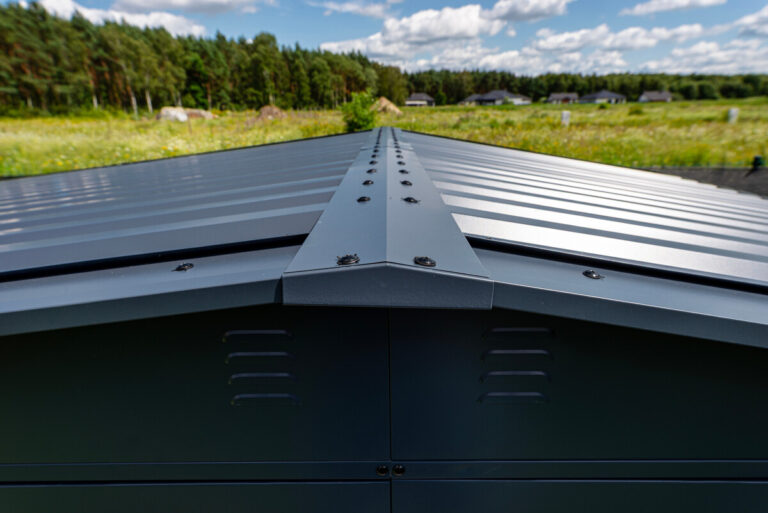
Before you understand pitch differences, it’s important to understand what vented ridge closures do. A vented ridge closure sits along the roof’s ridge (the peak), typically beneath ridge cap panels. It has two primary responsibilities, including:
Having that kind of balance is critical. You want maximum airflow without sacrificing weather protection. Proper ventilation allows hot air and moisture to exit at the highest point of the roof. This has included benefits, such as reducing temperatures in the attic, minimizing condensation buildup, and prolonging the life of your entire roofing system.
The roof pitch refers to the steepness of the slope of your roof. It’s expressed in ratios, such as 4/12 or 6/12, indicating a rise over a run. The pitch directly affects the space between the roof panels and the ridge line. Pitch can impact several aspects of your roof, including:
Not all ridge closures perform the same on different slopes. A product that works perfectly on a steep roof may not offer enough protection on a low-slope design. That’s why thoughtful vented ridge closure selection is essential.
Water infusion can be a bigger problem for low-pitched roofs because water moves slower and is more likely to pool or be driven under the ridge cap by wind. Below are some key considerations for lower pitched roofs.
Look for closures with tighter compression and water-resistant foam materials. Expanded polyethylene or durable closed-cell foam performs well because it resists absorption.
Vent openings should be designed to allow airflow but minimize exposure to heavy rainfall. Baffled or labyrinth-style vent designs are ideal.
Properly sealing the ridge cap connection is critical (water tends to linger on lower slopes)
Steeper roofs can shed water quickly which reduces the likelihood of pooling water. However, there are new challenges that must be addressed.
Steep pitches often experience greater uplift pressure at the ridge. It's imperative that your vented ridge closure is securely fastened to withstand high winds without compromising the seal.
Steeper slopes can create a larger volume of air to ventilate. Look for products designed to maximize exhaust ventilation without sacrificing weather tightness.
Gaps created by a mismatch can compromise the closure’s primary function. Watertight seals along the eaves and the ridge are essential.
Proper attic ventilation depends on balanced intake and exhaust. Ridge vents provide the exhaust portion of that system.When evaluating products for vented ridge closure selection, below are a few good tips to follow:
Homeowners and contractors can avoid problems with their roofing system by avoiding a few common pitfalls with vented ridge closure selection and installation. A big mistake is ignoring the pitch mismatch. Using the one size fits all approach won’t necessarily compress or seal against the pitch of your roof. This can create gaps for moisture and pests. Other common mistakes can include:
A vented ridge closure might be a small component of your roofing system, but it plays a huge role in ventilation, moisture protection, and long-term durability. If you're ready to upgrade or need reliable options for your next project, explore high-quality vented ridge closure solutions designed for various roof pitches and performance needs.
No matter how many years of experience you have in metal roofing, it’s still a careful project that needs to have attention to detail. One often overlooked detail is ventilation, and that’s where the benefits of vented ridges closures come into play. These simple (yet important) components help your roof breathe, protect your home, and deliver long-lasting performance without fuss. Let’s walk through how vented ridge closures work and why they’re worth considering.
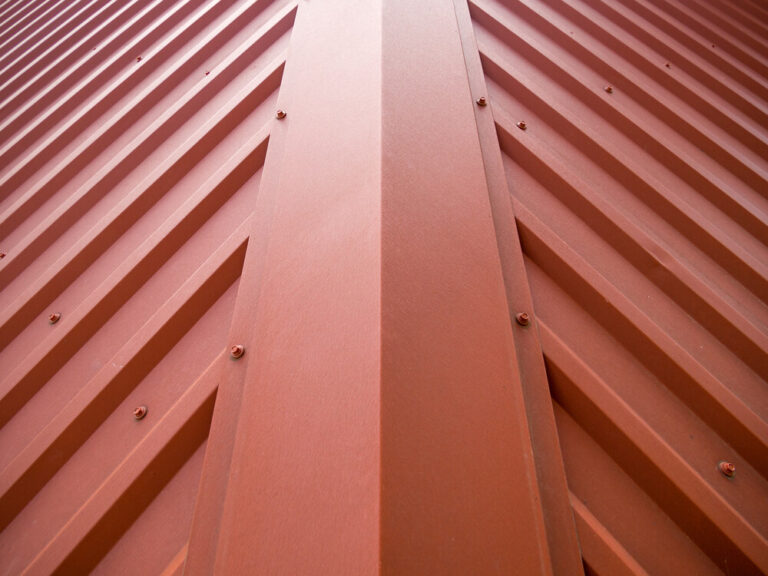
A vented ridge closure essentially is a piece of material that is installed along the ridge, or peak, of a metal roof system. Their dual purpose is to seal the gap between the metal panels and the roof deck while allowing air to flow freely. On metal roofs, the ridge, (where two panels meet at the top) can be a perfect place for airflow. Without something in that spot, you risk moisture, heat, and pests getting into your attic or roof cavity.
These closures provide a path for ventilation, and they can be paired with soffit vents or other intake vents to create a balanced airflow system that keeps your roofing system healthy.
One of the biggest benefits of vented ridge closures lies in ventilation. As most homeowners know, warm air rises and it can get trapped under your roof deck. As the temperature rises, it can make the attic extremely hot, which has other negative effects. Some of these include:
Regulating temperature is a big part of what vented ridge closures can do because they allow heat to escape along the entire ridge of your roof. This natural airflow process helps keep attics cooler in summer and reduces heat buildup that can warp or damage roofing material.
Proper airflow can also help with cold weather situations. Ice dams form when heat in the attic melts snow on the roof, which then refreezes at the edges. Balanced ventilation from ridge closures helps keep attic temperatures closer to outside temps, minimizing that problem.
Prevention of unwanted pests and moisture is another one of the benefits of vented ridge closures. When the gap at the ridge of a metal roof is left open, this becomes a direct pathway for rain to penetrate the attic space. The secondary effect is mold, mildew, and even potential structural damage. Vented ridge closures effectively seal this critical seam against water infiltration and still maintain a clear path for air movement.
Birds, bats, and even small rodents are always on the lookout for sheltered spaces. An open ridge gap provides an easy entry point for them. Investing in a high-quality closure system will serve as a barrier, preventing these unwelcome guests from nesting in your roof or attic. This small investment offers major peace of mind.
Good ventilation for a metal roof isn’t just about being comfortable. You’ll also reap the benefits of lowered energy costs. One of the most talked-about benefits of vented ridge closures is improved energy efficiency.
When your attic stays cooler in the summer and more balanced year-round, your HVAC doesn’t have to work as hard. Lower electricity bills and an HVAC system that isn’t working as hard means you’re getting the most out of your investment.
As temperatures climb and utility costs rise, every bit of passive cooling helps. A properly ventilated attic can take a big chunk out of the cooling load in warm weather simply because hot air doesn’t sit and radiate down into your home’s living spaces.
One of the reasons homeowners and commercial property owners invest in metal roofing is because of the durability and performance. It’s a considerable investment, but they can last decades with proper maintenance and care. Poor ventilation can shorten that lifespan by creating harsh conditions under the panels.
By regulating temperature and humidity, these closures help reduce:
Fewer repairs means you’re putting more money in your pocket. Proper ventilation also protects insulation from moisture damage, ensuring it performs as expected for years to come. Imagine a scorching hot day in the summer. Without proper ventilation, your attic can feel hotter than the outdoors.
A roof with vented ridge closures installed can allow hot air to efficiently exit the attic, your home stays more comfortable, and energy bills reflect that difference without you having to turn temperatures down.
If you’re planning a metal roof installation or upgrade, it’s worth thinking about how every part of the system works together, not just the panels themselves. Explore vented ridge closures from Supply Maverick. It’s a simple upgrade that can make a huge difference in your metal roofing system.
There are a lot of important decisions to make when it comes to roofing projects. Whether you’re planning a new build or updating an existing property, understanding the difference between vented and non‑vented ridge closures matters. These often‑overlooked components play a key role in protecting your roof and managing airflow and moisture in the attic. Let’s break down the differences, how they work, and when each type is the right choice.
At the highest point of a sloped roof, where two roof planes meet, you’ll find the roof ridge. The ridge cap is what covers that peak. It’s a strip of material that keeps critters, water, and unwanted debris out of your attic. The ridge closure is an essential piece of this system. It is installed directly beneath the ridge cap to seal the gap where the roofing material ends.
Roofers install ridge closures to seal the seam between panels or shingles. This is important to either allow airflow or to create a complete seal. The choice between a vented and non-vented system is determined by the overall ventilation strategy for the structure.
Vented ridge closures are designed to allow air to flow out of the attic space. In a properly ventilated roof system, warm, moist air from inside the attic can exit through these ventilated spaces, while fresh air enters lower down through soffit or eave vents. Continuous airflow is imperative to regulate temperatures and reduce moisture buildup.
The overall state of roof health can be determined by proper ventilation. This process helps prevent the formation of ice dams in colder climates and reduces heat buildup in warmer regions, ultimately extending the life of the roof and the structure.
Non-vented ridge closures' primary goal is to create a complete seal, completely blocking the exchange of air, moisture, and pests at the ridge. Non‑vented closures are often used when the overall roof design has no ridge ventilation, or in scenarios where ventilation is intentionally handled through alternative roof vents.
Common materials used for ridge closures include foam, plastic, or metal, often designed to match the roofing material. The deciding factor between vented vs non-vented ridge closures is the overall ventilation strategy for the entire roof system.
Airflow is one of the biggest differences between vented vs. non-vented ridge closures. Vented ridge closures have a defined exit point for air to escape. When you combine them with lower intake vents (for example, soffit vents) it creates a cycle that consistently cycles air through the attic. You can see the benefit of warm, humid air out and pulling in cooler air.
Conversely, non-vented ridge closures don’t support airflow. They are part of a sealed ridge system. There’s no intentional exit for attic air through the peak. This design may be fine if your ventilation strategy relies on other vent types like gable vents or powered vents, but it won’t actively facilitate ridge airflow.
Controlling moisture is a big concern for many homeowners across the country, especially if you live in humid environments. This is a major reason why property owners prefer ventilated systems. When warm, humid air stays trapped in the attic, condensation can form on roof sheathing, insulation, and framing. Excess condensation results in rotting wood or even mold formation that can reduce the effectiveness of your insulation.
A vented ridge closure helps combat this by allowing humid air to escape. Non‑vented closures do not provide an airflow path. Moisture must be managed through other strategies or vents.
Use vented ridge closures if:
Use non-vented ridge closures if:
In these scenarios, a non‑vented closure acts as a solid, protective seal against weather and pests.
Vented ridge closures are typically more complex to install, required ridge caps and precision with careful alignment to allow proper airflow. Materials for vented systems can be more expensive, but they focus solely on creating a weatherproof seal.
| Feature | Vented Closure | Non-Vented Closure |
|---|---|---|
| Primary Goal | Attic exhaust & moisture control | Total weather & air seal |
| Best Use | Attic ventilation systems | Sealed roofs or alternate roofing |
| Applications | Residential roofs with attics | Barns and garages |
| Installation | Moderate | Simple |
If you’re looking to explore the benefits of a vented roof closure, don’t hesitate to browse Supply Maverick’s online store. They can help improve attic airflow, reduce moisture buildup, and extend the life of your roof.
Metal roofing is one of the most beautiful and durable materials you can choose for a residential or commercial property. However, you can only reap the benefits if the roofing system is installed correctly. One of the most underrated aspects of a quality metal roof is metal roof fasteners that hold the roof system together. Even small mistakes with fasteners can lead to leaks, corrosion, loose panels, and costly repairs down the road.
From seasoned roofing contractors to experienced DIYers, avoiding these common fastener errors will help your roof stand strong for years to come. With the right products from Supply Maverick, you can be confident you’ve got the right metal fasteners and screws for the job.
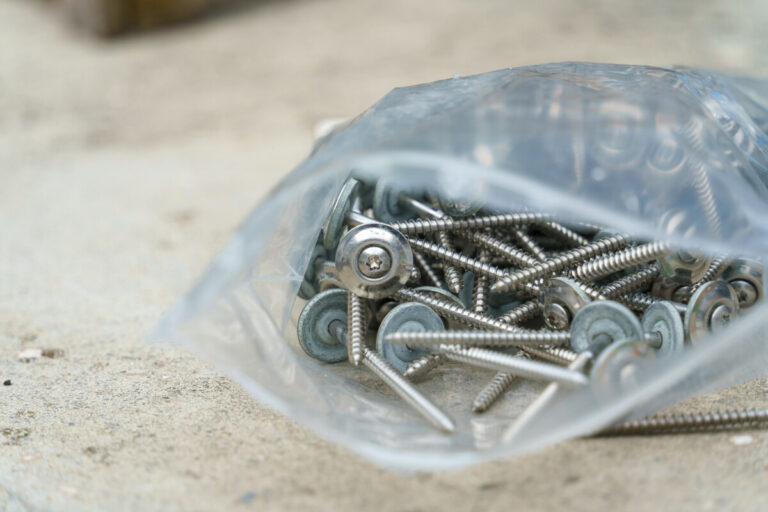
There are various fasteners that can be suited to use for a metal roofing project, (i.e. self-tapping screws, stitching screws, etc). Using a fastener that isn’t engineered for your panel type or environment can lead to performance problems. Using standard wood screws or incompatible fasteners on metal panels can cause corrosion, poor holding power, and water leaks. Metal roofing fasteners must be matched to both the panel and the structure underneath.
How to avoid it: Always select fasteners specifically manufactured for metal roofing, such as stainless steel that resists rust and galvanic corrosion. Partnering with a supplier like Supply Maverick ensures you get the correct fastener type for your specific project needs.
Getting fastener torque correct is essential for a roofing project. A metal roof fastener that is overtightened or undertightened can lead to serious structural issues.
How to avoid it: Use a screw gun with adjustable torque or a clutch system set to the manufacturer’s recommended setting. You want to tighten the fastener until the washer is snug without overdoing it. The right torque setting protects your panels and the seal.
Installing a metal roof requires a high level of precision and attention to detail that makes them a durable, long-lasting investment. Misplaced fasteners can compromise this durability and lead to immediate leaks or eventual panel failure. Placing screws too close to panel edges or in the wrong part of the panel can weaken the roof’s resistance to wind and water. Screws placed in low spots where water collects are more likely to corrode and leak
It’s imperative to have accurate fastener placement for several reasons. First, it’s designed to ensure water runs off the roof. Secondly, structural loads are properly distributed.
How to avoid this: Follow the panel manufacturer’s installation pattern. Screws should be perpendicular to the panel and placed at the crest of the rib or flat for exposed fastener systems, avoiding the low areas.
Another significant metal roof fastener mistake is to skip pre-drilling your panels. When you pre-drill a panel, you’re ensuring that the screw will go in evenly. This process is extremely important when you’re working with thicker gauge materials. Skipping this step risks thread damage, uneven seating, and metal distortion around the fastener. You can also improve the appearance of the roof by pre-drilling because it creates a cleaner, more uniform hole for the fastener.
How to avoid it: Use a drill bit that is slightly larger than the screw shank but smaller than the threads. Always pre-drill holes in alignment with the panel ribs to ensure a perfect fit and seal.
Fasteners that are too short or too long can be a big problem with a metal roofing project. They directly impact the strength and durability of your roof system. If they are too long, they can protrude excessively, potentially causing an obstruction or a hazard. Fasteners that are too short won't fully engage the underlying structure, compromising the roof’s ability to withstand wind and other forces.
How to avoid it: Measure the total thickness of the materials being fastened and purlin and then choose a fastener length that allows for at least one inch of embedment into the structural member.
These tips above matter, but you also need to get the right supplies to even get started. At Supply Maverick, we have high-quality fasteners and metal roofing screws that allow you to complete your project with confidence. Get started today to secure your roof for decades to come.
When it comes to choosing metal roofing for a home or commercial building, two standout options consistently rise to the top. These are standing seam roofing and corrugated metal roofing. Both are durable, long-lasting, and offer excellent protection compared to traditional roofing materials. As a trusted supplier of metal roofing supplies, The Supply Maverick can help you get the right materials for the job, no matter which type you choose. Learn more about the key differences below.
Metal roofing is quickly becoming one of the most preferred options out there for residential and commercial projects. It’s durable, relatively easy to install, and has great efficiency that lowers costs for energy expenses for homeowners. Metal roofs with high-quality materials can last upwards of 70 years or more, far outlasting other popular choices like asphalt shingles.
At Supply Maverick, we partner with manufacturers and stock a wide range of metal roofing components so you have access to the products you need. Our inventory includes roofing screws, foam closures, snow guards, and the structural profiles that make your metal roofing system work efficiently and reliably.
Standing seam roofing refers to a type of metal roof where panels run vertically from the roof’s ridge to the eave. They get connected together by raised seams that lock in place. As a result, the appearance has a clean, modern appearance that is also easy to maintain. Some of the key advantages can include:
The advanced design and performance of standing seam roofing mean it comes with a higher upfront price point compared to corrugated options. Its installation also typically requires specialized tools and expertise.
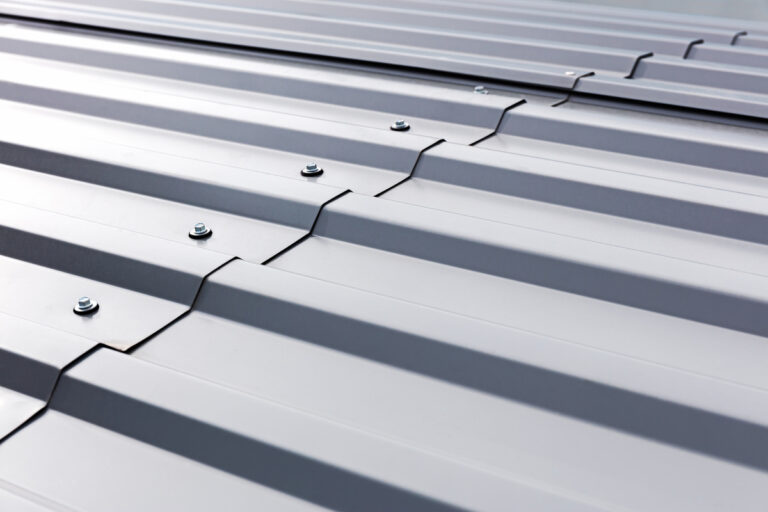
Corrugated metal roofing has a distinctive look that makes it very easy to recognize. The wavy profile is highly resistant to bending and crushing This classic and economical option is widely used for agricultural buildings, sheds, and commercial structures. Advantages here include:
Making the best choice for your property requires a careful consideration of the differences in cost, performance, and aesthetic goals.
Corrugated metal roofing is generally seen as the lower cost option and is quicker to install. The exposed fasteners of corrugated roofing panels contribute to their lower price point but also necessitate periodic inspection and maintenance over the life of the roof.
Standing seam roofing has superior leak resistance and has an interlocking design. Exposed fasteners and screws are the main parts of failure on corrugated options, which can require more maintenance over time.
The sleek, hidden-fastener look of standing seam panels suits modern design preferences, while corrugated metal is a good match for rustic or traditional styles.
At Supply Maverick, we help you understand the components that make your metal roof succeed. From essential screws and weather barriers to specialty items like snow guards and foam closure strips, our extensive catalog ensures you can complete your roofing system with confidence and speed. Most orders from Supply Maverick are processed same-day and ship quickly to your location, helping keep your project on track.
Having the ability to get high-quality materials quickly for your roofing project matters. We serve customers across the United States, Canada, New Zealand, Australia, and beyond. Our mission is to provide quality, hard-to-find metal roofing products at competitive prices, delivered quickly with knowledgeable support so you can get right to work.
Visit Supply Maverick today to access our online catalog to browse roofing supplies, accessories, and tools. Let our team help you put together the right materials for your next metal roofing project.
With so many different options for a roofing project, metal is among the most popular for many good reasons. It’s designed to resist harsh weather conditions, has incredible efficiency,, and is adaptable to meet your aesthetic preferences. While they are excellent for most residential and commercial applications, even superior materials need regular maintenance to ensure long-lasting performance.
Whether you’re a first-time homeowner or a seasoned property manager, this guide will help you stay one step ahead of trouble. Knowing where to shop for your metal roofing supplies matters too!
Metal roofs have superior engineering that allow them to withstand drastic changes in weather, including heavy rain, snow, and the beaming sun. Like any other material, dirt, debris, moisture, and temperature fluctuations can affect their performance. Routine metal roof maintenance gives you several benefits over just fixing issues as they happen:
Even though metal roofs demand less upkeep than other materials, a proactive maintenance plan makes all the difference in performance and longevity.
Twice a year is optimal to inspect a metal roof. Whether you hire someone or do it yourself, there are essential checks that should be done. These include looking for loose or damaged fasteners, Check flashing around chimneys, vents, skylights, and other roof penetrations. You should also note any rust spots or discoloration
Valleys and low spots are notorious for the accumulation of twigs, leaves, and other debris. These materials can trap moisture, which accelerates corrosion and weakens seals if left too long. Use a soft brush or low-pressure rinsing with water to gently remove debris without scratching or damaging the finish.
Gutters and downspouts play a pivotal role in directing water away from your roof and foundation, but they often get swept under the rug when it comes to roof maintenance. Clogged gutters can cause water to pool, damaging panels and edges. Clean them regularly and ensure water flows freely.
While rust and corrosion are far less common in modern roofing systems, it can still occur in coastal or industrial environments with high salt or chemical exposures. Areas where moisture and debris accumulate can compromise the protective coating, exposing bare metal to oxidation.
Temperature changes cause metal roofing to expand and contract. Over time, this movement can loosen screws and fasteners. During your inspection, check these components and tighten or replace them as needed. High-quality stainless steel fasteners are especially beneficial because they resist corrosion and maintain strength over long periods.
Organizing your maintenance around seasons ensures nothing slips through the cracks. This checklist below by season makes it much easier to keep your metal roofing system in top shape:
Summer heat can cause expansion and contraction, placing stress on fasteners and seals. During summer:
If you live in an area that has harsh winters, the fall maintenance is especially important.
While metal roofs shed snow effectively, heavy accumulation or ice dams can still occur. If you live in snowy regions, consider adding snow guards or professionally installed solutions to manage winter runoff safely.
Using durable materials from the start can save you the headache of constant maintenance and repairs. Stainless steel components stand out for their excellent corrosion resistance and strength, even under harsh weather. These high-quality materials help ensure your roof’s fasteners and accessories stay secure and rust-free over time. It makes metal roof maintenance much more feasible.
From metal roof snowguards to high quality fasteners and screws, choosing the right products carries the same level of importance as other maintenance needs. At Supply Maverick, we make it easy to shop and order all the necessities for your next metal roofing project. When it comes to supplies and hardware that help with metal roof maintenance, look no further!
Are you thinking about making a home improvement or enhancing your storage options? One question you might not expect to spend time on is the drop-down vs push-up attic door debate. Many homeowners don’t give a second thought about their attic space, but it makes all the difference to have a functional and accessible attic. Knowing the difference between the two main types of access doors can help you choose the right one for your home and lifestyle.
Both options can work beautifully for your home, but the choice comes down to the space you have and your preferences. Consider the differences below to make the best decision for your home.
Before we dive into installation or insulation performance, it helps to understand how each type actually works.
A drop-down attic door is the kind that most homeowners are familiar with. It pulls straight down to create a folding ladder that homeowners use to access the attic. Once the panel is opened, the ladder extends toward the floor, giving you a ready-to-climb entrance to your attic. This particular design makes entry into the attic quick and easy. You don’t have to grab a step stool or move furniture out of the way each time you want to peek inside. The ladder is part of the system, which means your attic becomes much more accessible for quick trips up and down. One drawback is that there is space required for the ladder to fully descend. Also, the installation cost is typically higher than a push-up door.
Push-up attic doors are precisely what they sound like. You use your hand or a pole to push a panel upward and slide it aside to gain access to the attic. Nothing swings downward into the room, which gives you a seamless look that integrates naturally with the rest of the home. Push-up doors are common in older homes or in spaces where a ladder extension simply won’t fit. One small drawback might be the need for an external ladder or step stool to reach the opening, but they are generally less expensive and simpler to install.
One of the biggest distinctions in the drop-down vs push-up attic door comparison is the amount of space and effort required to install them.
Drop-down attic doors are attached to a ladder. You need sufficient floor clearance to allow the ladder to extend fully. This makes them ideal for hallways, garages, or large closets, but less practical for tight spaces. Installation is also usually more complex than push-up attic doors. The weight of the ladder and door usually requires reinforced framing, meaning this is a job many homeowners choose to leave to a professional.
Push-up doors can be a DIY favorite because of their simplistic yet durable design. You’ll also have more optionality to use them in tighter spaces because they don’t require ground clearance. Push-up options are great for older homes where modifying framing or installing a ladder assembly wouldn't be practical.
Insulation is a top priority for any homeowner, no matter what type of attic door they choose. A poorly sealed attic door can leak air, raise energy bills, and make your HVAC system work harder than it should.
Drop-down doors can have more mechanical parts, and they can be a little trickier to seal perfectly. Warm air can seep around the edges if the door isn’t insulated properly. However, modern drop-down doors include weatherstripping or insulated panels to reduce heat transfer.
The unique design of a push-up door can make it a better insulator. The door rests directly on the frame, creating a naturally tighter seal. They have a small advantage, but with today’s higher-quality materials, both styles can perform well when installed correctly.
Choosing between the two often comes down to your room layout and how you plan to use the attic.
Common rooms for drop-down installations: hallways, garages, main living areas, and large closets.
Push-up attic doors work great in older homes, small bedrooms, and ceiling areas near walls where a folding ladder wouldn’t fully deploy.
At Supply Maverick, we have an inventory of home improvement materials, including if you’re looking for attic access doors. We make it simple to choose the next item or materials you need for an upcoming project. Most orders will ship out the same day! Browse online to see our available products.
When it comes to home improvements, one of the most overlooked aspects of enhancing the functionality of your space is an attic access door. While it does provide a convenient entry point, there are other benefits, including improving your home’s energy efficiency and safety, while even doing wonders to improve the look of your ceiling. It doesn’t matter if you’re replacing an older one or installing one for the first time. Knowing what to look for can save you headaches down the road.
If you’ve never shopped for an attic access door before, the process can feel overwhelming. There are different options that you might have expected, including different sizes, materials, insulation levels, and opening styles. That’s why understanding the basics of buying attic access doors makes a huge difference. Once you know what matters most, the selection process becomes much easier and more enjoyable.
Even if you’ve never previously lived in a home with an attic, the area can be a major source of energy loss throughout the house. A poorly sealed or outdated access door allows warm air to escape in the winter and lets hot attic air seep into the living space during summer. The right door makes accessing your attic safer and more efficient, too. Whether you’re trying to store holiday decorations or checking the condition of your roof, you want a secure and easy way to get up there.
A primary factor to consider when buying attic access doors is insulation. Well-insulated doors provide a seamless thermal barrier between your living space and the attic. This can make temperatures uncomfortable, summer temperatures skyrocketing, or if there are freezing conditions in the winter. Air sealing is also important because it prevents drafts and moisture issues, further contributing to your home's overall energy savings and preventing mold growth. If energy efficiency is a priority for you, choosing a door with strong insulation and reliable air sealing is essential.
Selecting the right size and opening type also matters for your home. It can matter how your attic is designed. For instance, some attics have plenty of space overhead, while others need low-profile doors that don’t sway too far in either direction. Being precise with measurements is key before purchasing an attic access door.
Even a small measurement error can cause installation challenges or force you to resize the opening, which can cost you time and effort you didn’t plan for. Some homeowners prefer a simple hinged panel, while others choose a drop-down style. The best choice depends on your available space and how often you plan to use the attic.
Familiarize yourself with the important safety features of an attic door before you buy one. One of those hallmark safety specs is a stable, secure latch. Not only is it good for insulation purposes, but the latch prevents sagging or having an accidental opening that could become potentially dangerous.
Many attic spaces contain HVAC equipment, dangerous wiring, or other hazardous items you may keep in storage. Some doors also feature reinforced panels that can handle occasional pressure or weight, which can be helpful if someone accidentally steps on the door from above. Attic access doors aren’t typically associated with heavy load-bearing, but these safety features above give homeowners peace of mind.
Finally, consider the different materials available when you’re buying attic access doors. There’s no right or wrong choice, but there are specific advantages to each.
Choosing the right door doesn’t have to be complicated. Once you know what to look for and work with a trusted supplier, you can have confidence that your home will be functional, safe, and have the convenience of an easy accessway to your attic.
If you're ready to upgrade, explore Supply Maverick’s selection of attic access door options. Most of our orders ship out the same day, giving you the opportunity to start your next project without delay. Don’t hesitate to explore online at our online collection of home improvement tools, accessories, and much more.
Selecting the right attic access door is much more than just aesthetics. It affects your home’s efficiency, functionality, and convenience. With so many ceiling types, door designs, and installation considerations, proper attic access door selection ensures that you get a product that fits seamlessly, performs reliably, and looks great. It’s an essential decision to make, whether you’re remodeling your home, building new, or replacing an existing space.
Attic access door selection isn’t possible without understanding your ceiling type first. Different ceilings require different door designs to ensure proper fit and function. The most common types include:
It’s important to understand how the door’s design matches your ceiling construction once you know your ceiling type. Not every attic access door works for every space. For example, some doors have a lightweight construction that is ideal for occasional use, while others are reinforced to handle foot traffic, storage, or heavier installations. During attic access door selection, consider factors like:
Taking the time to match the door design to your ceiling construction and load needs will save you wasted costs and frustration down the road.
Well-chosen attic doors should not only fit your ceiling but also be easy to install and properly sealed. Ease of installation is a major factor in attic access door selection, especially if you plan a DIY project. For example, most modern doors will include pre-installed hinges or spring-loaded mechanisms that simplify the process. Sealing is another imperative part of the process. Think about the issues you run into with an improperly sealed attic access door, including drafts, energy loss, and increased moisture issues. Look for doors with built-in gaskets or sealing strips that provide an airtight barrier. Properly sealing your attic access door also helps maintain consistent indoor temperatures, saving you money on heating and cooling.
Functionality is important, but you can’t overlook the look and feel of your attic access door. They come in a variety of styles and finishes, allowing them to blend seamlessly with your home’s interior design. Whether you have a remodeled home with modern features or a more traditional space, choosing the right style enhances your room's overall aesthetic and ensures the door is a cohesive part of your design, not a distraction. Some ideas include painted surfaces to match drywall, wood veneers for tongue-and-groove ceilings, or even decorative trims for a polished appearance. An important factor of the attic access door is that it blends seamlessly with your existing ceiling material. You don’t want it to stand out from the rest of your home.
At Supply Maverick, we understand the importance of convenience, quality, and variety when it comes to attic access doors. We process and dispatch most orders the same day, meaning you can get your chosen door quickly and efficiently. We also offer tools, fasteners, and materials to complete your installation, including fasteners, hand tools, and much more. This makes it easy to gather everything you need in one place without multiple trips to the hardware store or shopping at an unreliable online store.
To summarize, consider these tips when selecting the right attic access door:
Finding the right attic access door has never been easier. Browse Supply Maverick’s collection to select a durable, stylish door that fits your ceiling type and installation needs. It’s our pleasure to help homeowners get the materials they need for an upcoming project. Order today for same-day processing and fast delivery!