Login

If you're in need of touch-up paint for your metal roofing, siding, or other exterior property areas, the paint you choose will need to have a few basic qualities that make it suitable for outdoor use. What are these, and how should you prioritize them?

At Supply Maverick, a division of Mid Michigan Metal Sales, we're proud to offer a wide selection of accessory/touch-up paint for various external metal surfaces, including weather-resistant touch-up paint for these settings. Here are some of the important qualities that make a weather-resistant touch-up paint suitable for outdoor use, plus how to prioritize these for any kind of paint touch-ups you're looking into.

UV Resistance

One of the most notable qualities that makes a weather-resistant touch-up paint suitable for outdoor use is its ability to resist UV rays. This is important because sunlight contains UV rays, which can cause the paint to fade and lose its color over time. With a UV-resistant touch-up paint, you can rest assured that your metal surfaces will maintain their vibrant colors even with prolonged exposure to sunlight.

For instance, if you have a metal fence or gate that is constantly exposed to sunlight, using a UV-resistant touch-up paint will ensure that it remains looking new and vibrant for years to come. This not only helps maintain the aesthetic value of your property but also saves you money from having to frequently repaint or replace faded surfaces.

Weatherproofing

Another important quality of touch-up paint that makes it suitable for outdoor use is its weatherproofing properties. High-quality touch-up paints are designed to withstand extreme temperatures and harsh weather conditions without fading or cracking. This is particularly important for surfaces that are constantly exposed to the elements, such as outdoor furniture, decks, and fences.

In addition to protecting against sunlight, UV rays, and extreme temperatures, touch-up paint also acts as a barrier against water damage. Water can seep into wooden surfaces and cause rotting or warping if left untreated. By using a waterproof touch-up paint, you can prevent this type of damage and prolong the lifespan of your outdoor surfaces.

Adhesion Strength on Different Surfaces

As you're considering an ideal weather-resistant touch-up paint for your exterior metal surfaces, know that adhesion strength varies depending on the type of material it is applied to. For example, a high gloss finish may adhere better to smooth metal surfaces, while a matte finish may be more suitable for rough or textured metal surfaces.

It's important to choose a paint with the right level of adhesion strength for your specific surface in order to ensure proper coverage and long-lasting results.

Durability Despite Temperature Changes

If you're using touch-up paint in an area where temperatures differ heavily throughout the year, you should also be prioritizing durability. Temperature changes can cause materials to expand and contract, which can lead to cracking or peeling of paint if it isn't equipped to handle these fluctuations.

When selecting a touch-up paint, look for one that is specifically designed to withstand temperature changes. This will help ensure that your touch-up job will last through all seasons and maintain its color and finish.

Compliance With Outdoor Coating Standards

For certain kinds of metal structures, certain standards may be in place for outdoor coatings. For example, the American Society for Testing and Materials (ASTM) has a variety of standards related to outdoor coatings, including ones specifically designed for different types of metals and environments.

Before selecting a touch-up paint, research any relevant standards that may apply to your structure or material. This will help ensure that you choose a touch-up paint that meets all necessary requirements and will provide long-lasting protection against weathering and other environmental factors.

Choosing Paint from Reputable Providers

No matter which sort of touch-up paint you're considering for your needs, it's important to choose from reputable providers who offer high-quality products. This is especially true if you're selecting paint for a specific type of metal or environment, as these factors can affect the performance of the paint.

Look for companies that have a proven track record of providing reliable and effective touch-up paints. You can also read customer reviews and ratings to get an idea of the quality and satisfaction level of their products. It's also helpful to look for certifications or endorsements from industry organizations to ensure that the paint meets necessary standards.

At Supply Maverick, we offer the best selection of accessory/touch-up paint products on the market, including weather-resistant touch-up paint options. Contact us today to learn more about these or begin your order!

If you're looking into your touch-up paint options for any kind of metal roofing, siding, or related exterior products, two varieties you'll likely be comparing to one another are aerosol vs brush-on touch-up paint. What are each of these, and which might be right for your needs?

At Supply Maverick, a division of Mid Michigan Metal Sales, we're here to offer a variety of accessory/touch-up paint products for various exterior needs, including both aerosol and brush-on options. Here are some of the basics on how aerosol vs brush-on touch-up paint products stack up, plus some scenarios where each might be preferable and how to make the ideal choice for your needs.

Breaking Down the Basics

For those new to either aerosol or brush-on touch-up paint products, there are a few key differences to be aware of. Aerosol touch-up paint products come in pressurized cans and are sprayed onto surfaces, while brush-on touch-up paint products require manually applying the paint with a brush or a similar object (touch-up pens are another common option, for instance).

Both have their advantages and disadvantages, which will be discussed further below.

Application Methods and Surface Coverage

When it comes to application methods, aerosol touch-up paint products have the advantage of being faster and easier to use. With a simple press of a button, the paint is sprayed onto the surface in an even and controlled manner. This makes it ideal for larger areas that require touch-up work, such as scratches or chips on car doors or fenders. Additionally, aerosol touch-up paints can cover a larger surface area compared to brush-on products, making them more efficient for bigger projects.

On the other hand, brushing on touch-up paint products requires more effort and precision when applying the paint. The user must manually dip the brush into the paint and carefully apply it to the desired area, making it better suited for smaller areas.

Control and Precision

Another key area of comparison for aerosol vs brush-on touch-up paint is control and precision. Aerosol touch-up paints offer a more consistent and even coverage due to the fine mist that is emitted from the can. This allows for a smoother finish, making it ideal for larger areas or surfaces with more imperfections.

On the other hand, brushing on touch-up paint requires a steady hand and careful application in order to achieve even coverage. This makes them better suited for smaller projects or areas that require more precision, such as detailed touch-ups on furniture or small scratches on vehicles.

Finish Texture

Because spray touch-up paints are applied in a fine mist, they often have a smoother finish compared to brush-on touch-up paints. This is especially noticeable on glossy surfaces, where brush strokes can be more visible.

However, if you prefer a textured finish for your touch-up job, brush-on touch-up paints may be the better option as they can create a more natural texture.

Drying Times

One area where aerosol and brush-on touch-up paints are relatively similar is in drying times. Both typically require around 24 hours to fully dry and cure. This means that you should avoid touching or washing the area for at least a day after application.

However, it's important to note that certain factors, such as temperature and humidity, can affect drying times. It's best to follow the specific instructions provided by the manufacturer to ensure proper curing of the touch-up paint.

Portability

Another area where both aerosol and brush-on touch-up paints do well is portability. Both options are small and lightweight, making them easy to carry with you in your vehicle or store at home for future use. This makes them convenient solutions for on-the-go touch-ups or emergency repairs.

Scenarios Where Each Works Best

So, which scenarios are best for aerosol vs brush-on touch-up paint? Here are some possible scenarios where one option may be more suitable than the other:

At Supply Maverick, we're here to help you choose the ideal accessory/touch-up paint format for any need. Contact us today for more information!

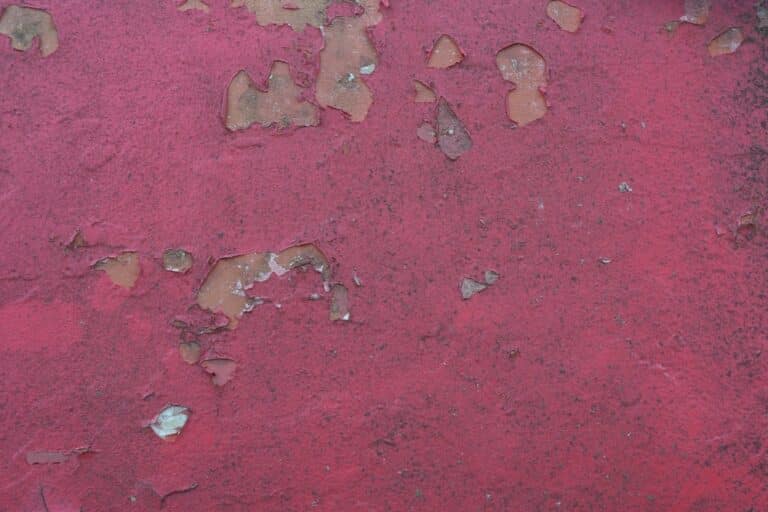
There are a number of situations where you might be looking to touch up paint on any exterior part of your home or other structures, and one of the most common is when prior paint has faded in a given area, like siding or roofing. In these settings, matching faded paint colors with your touch-up paint is vital - how can you go about this process effectively?

At Supply Maverick, a division of Mid Michigan Metal Sales, we're proud to offer a huge range of products for metal roofs and siding protection, from snow guards and foam closures to specific products like accessory/touch-up paint and more. Here are some important tips from our team on how to go about matching faded paint colors to your touch-up paint for any kind of re-painting you're doing on the exterior of your property.

Why Matching Faded Paint Colors Matters

Before we get into some specific tips on matching faded paint colors, let's first discuss why this is an important step in any re-painting project for your property. Whether you're repainting your metal roof or siding, using the wrong color or shade can result in a noticeable and unappealing difference between the new and old paint.

This can not only lower the overall aesthetic value of your property but also potentially decrease its resale value. Additionally, mismatched colors could indicate a lack of attention to detail and maintenance, which may raise concerns for potential buyers or visitors.

So, how do you go about matching faded paint colors with your touch-up paint? Read on!

Paint Codes and Manufacturer Swatches

As modern technology has improved, one great option for matching faded paint is to check the manufacturer's website or contact them directly and inquire about their color codes. These codes are unique to each make and model and can be used to find an exact match for your touch-up paint.

You can also request a swatch of the specific color from the manufacturer, which will help you compare it with your faded paint and ensure a precise match. This option may take a bit more effort, but it can be worth it for a flawless repair.

Custom Color Matching Services

There are also many companies that offer custom color-matching services. This is a great option if you have a unique or rare color on your home's exterior that may not be readily available from the manufacturer.

This process typically involves sending a sample of the paint to the company, and they will use specialized equipment and techniques to create an exact match for your faded color. This can be a more expensive option, but it guarantees a perfect match for your home's exterior.

Testing Small Areas

Whether as a backup to the other methods we've mentioned here or as its own form of matching faded paint colors on your property's exterior, testing small areas can also be an effective way to ensure a good match. This involves choosing a small, inconspicuous spot on your home's exterior and applying the new paint color in that area. You'll then be able to see how it looks in comparison to the surrounding faded paint and make any necessary adjustments before painting the entire exterior.

For instance, if your structure has a relatively hidden area or an out-of-the-way corner, this would be a great place to test the new paint color. You can also choose to test on a separate piece of wood or siding that is similar to your home's exterior. This technique allows you to see how the color looks in different lighting conditions and at various times of the day.

Blending Techniques to Hide Transitions

And once you've chosen the ideal matching paint for any faded parts of your exterior, it's time to address any areas where there may be transitions or imperfections in your exterior paint job. Fortunately, there are a few blending techniques you can use to make these transitions less noticeable.

One technique is called feathering, which involves using a dry paintbrush to lightly blend the edges of two different paint colors together. This works particularly well when transitioning from one color to another on a flat surface, such as a wall or door.

Another technique is called shading, where you apply the lighter shade of paint over the darker shade in a gradual manner, creating a subtle transition between the two colors. This works well for more textured surfaces like stucco or brick.

At Supply Maverick, we're here to provide the best selection of accessory/touch-up paint available for any of these needs. Contact us today to learn about color matching or any of our related services!

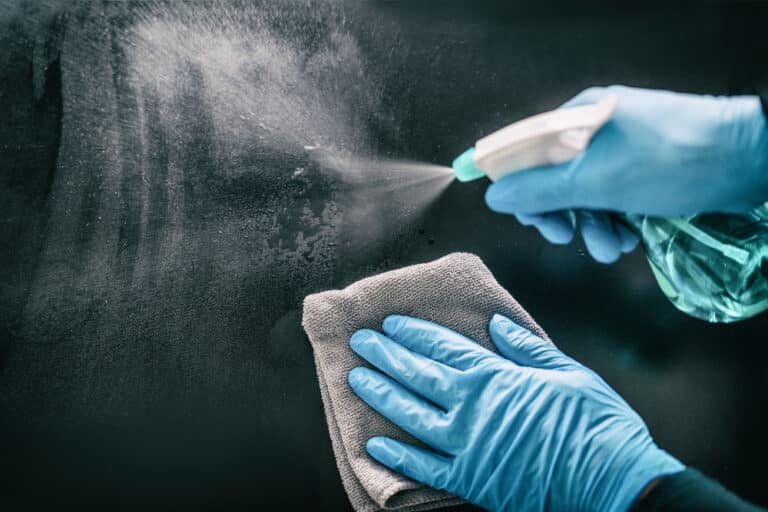
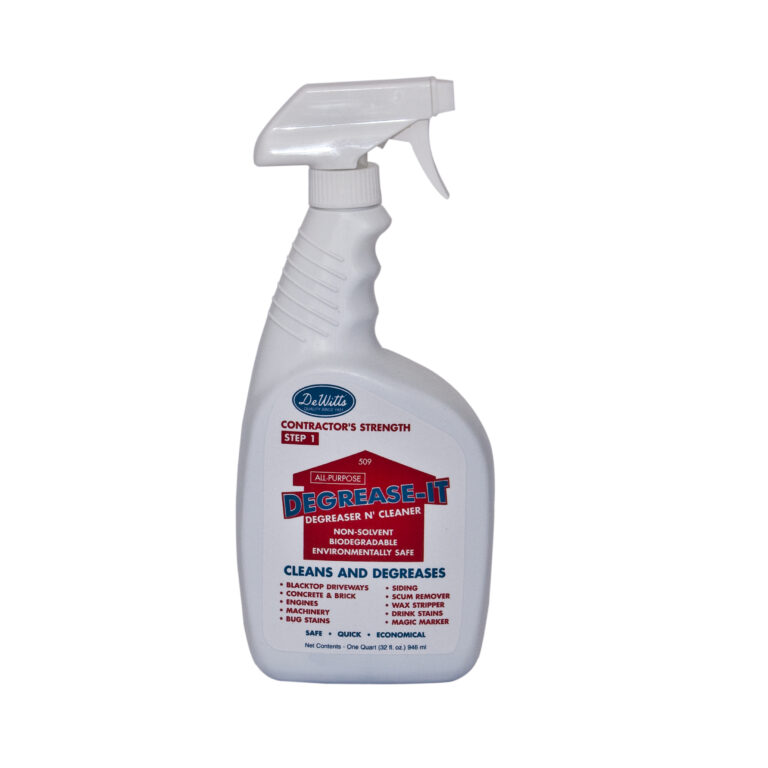
There are a variety of products out there to help clean and sanitize various surfaces and settings, and knowing the basic differences between them can be important. Some great examples are cleaners, degreasers and disinfectants - what are each of these products, how do they differ, and which is ideal for your needs?

At Supply Maverick, a division of Mid Michigan Metal Sales, we're here to offer the best selection of cleaners available on the market, including several different products. Here are some basics on cleaner vs degreaser vs disinfectant, helping you understand basic info about all three of these varieties to make the ideal choice for you.

Basic Definitions and Primary Functions

Firstly, let's talk about what these three different types of products are and their primary function:

Suitable Surfaces and Applications

While this can vary somewhat between specific products, here are some of the applications and surfaces that tend to be best suited for each of these product types:

Differences in Chemical Composition

How do these types of cleaning products differ from each other? The main difference lies in their chemical composition. Each type of cleaner contains different active ingredients that are specifically formulated to target certain types of dirt and germs.

Safety Guidelines for Use

Here are some safety guidelines for using each of these products:

As you can see, there are some simple differences between cleaners, degreasers and disinfectants to be aware of as you're choosing between these products. The right one for you will depend on what type of mess or surface you're dealing with. You may even find that you need all three in your cleaning arsenal for different situations.

At Supply Maverick, we're proud to offer a variety of cleaning products for all your needs. Contact us today to learn more about these or any of our other products and services!

There are a few key priorities that often tend to be in place for cleaning processes, and preventing cross-contamination is a great example. What can be done when it comes to preventing cross-contamination with cleaning products in any setting?

At Supply Maverick, a division of Mid Michigan Metal Sales, we're proud to offer an extensive selection of cleaning supplies for various needs, including roof cleaning, general-purpose cleaning, and more. Here are some tips from our professionals on preventing cross-contamination during cleaning processes of any kind.

Color-Coding Tools and Products for Specific Areas

When it comes to avoiding cross-contamination, the concept of separating tools, products, and areas of use by color can be incredibly helpful. By assigning a specific color to each area or type of cleaning, it becomes easier to prevent mixing different products or using the same tools in multiple areas.

For example, using red as the designated color for bathroom cleaning supplies and yellow for kitchen cleaning supplies can help avoid confusion and potential cross-contamination between these two high-traffic areas in a home or commercial space. Similarly, using blue for general purpose cleaners and green for outdoor cleaning supplies can also aid in keeping things separate and organized.

Using Dedicated Cloths and Mops for High-Risk Areas

Another important aspect of preventing cross-contamination during cleaning is to use dedicated cloths and mops for high-risk areas. These can include the bathroom, kitchen, and any other areas that are prone to becoming extremely dirty or harbor bacteria.

Using separate cloths and mops for these areas helps prevent spreading germs from one area to another. For example, you wouldn't want to use the same cloth used to clean a toilet on your kitchen countertops. This can lead to the transfer of harmful bacteria and potentially cause illness.

To avoid this, it's important to designate specific cloths and mops for different areas of the home or commercial space. You can label them with different colors or symbols using permanent markers or color-coded tags. This will help remind you which cloths and mops are used for which areas, and ensure that they are not mixed up.

Following Proper Cleaning Order

There are many cleaning tasks where, to avoid cross-contamination, specific physical cleaning order needs to be maintained. These include tasks like dusting and wiping surfaces, vacuuming or sweeping the floors, and mopping. Dusting should always be done before vacuuming or sweeping because when you vacuum or sweep, some dust particles will inevitably become airborne and land on surfaces that have already been cleaned. By dusting first, you can ensure that you're not spreading more dirt onto surfaces that have already been wiped down.

Similarly, it's important to mop last after all other cleaning tasks have been completed. This is because mopping involves using water and cleaning solutions, which can potentially spread any remaining dirt or bacteria onto previously clean surfaces. By following this proper cleaning order, you can ensure no cross-contamination will take place.

Training Staff on Proper Usage

Another vital element in preventing cross-contamination during cleaning is educating and training staff on proper usage of cleaning products and tools. This includes ensuring they understand the correct dilution ratios for cleaning solutions, as well as how to properly use equipment such as mops, cloths, and brushes.

It's also important to emphasize the importance of washing hands regularly while cleaning and using disposable gloves when handling potentially hazardous materials. Proper hand hygiene is crucial in preventing the spread of bacteria and viruses from one surface to another.

Using High-Quality Cleaners

Finally, the task of avoiding cross-contamination becomes far simpler when you use high-quality cleaners. These products are designed specifically for cleaning and disinfecting, making them more effective in removing germs and bacteria from surfaces.

When choosing a cleaner, make sure to look for one that is labeled as a disinfectant or sanitizer. These types of cleaners have been tested and proven to kill specific germs and viruses, providing an added layer of protection during the cleaning process.

At Supply Maverick, we offer a wide range of cleaning products for a variety of needs, from simple general cleaning to roof cleaning and more. We'll help you identify the ideal cleaner for your specific needs, ensuring that you have a clean and healthy environment. Contact us today for more information on these or any of our other products and services for our clients!

There are several qualities you might be wondering about in a given cleaner you're considering, and one common example is food safety. Why are food safe cleaning products important for many settings, and which qualities help determine whether a given cleaning product is food safe?

At Supply Maverick, a division of Mid Michigan Metal Sales, we're here to offer a wide range of cleaning products for various needs, including both roof cleaning and general cleaning purposes. Here are some reasons or settings where food safety is important for a cleaning product, plus the key elements to consider when it comes to determining whether a given cleaner is food safe.

Why Food Safety is Often Important for Cleaners

There are a few reasons why using a food-safe cleaner is important in certain settings. Some of the main reasons include:

So how can you tell if a given cleaning product is food safe? Our next few sections will dig into some tips.

Labels

Naturally, one of your top resources for determining whether a cleaner is safe for food preparation areas will be the label. Many cleaners, like bleach and ammonia-based products, have warning labels that explicitly state they are not safe for use on surfaces where food will come into contact with them.

However, it's important to note that not all cleaning products may have these explicit warnings. In cases where a product does not make any mention of being safe or unsafe for food prep areas, you may need to do some digging and research on your own to determine its safety.

For products that do have labels, look for "food safe" or NSF certification on the label, which ensures that the product has been tested and deemed safe to use on surfaces where food is prepared or consumed.

Review Manufacturer Data Sheets

If you need to know specific information about a product's safety, it's always best to consult the manufacturer data sheet. These sheets contain detailed information about the product, including any hazards or safety precautions that should be taken when using it.

When reviewing these data sheets, look for any specific warnings or cautions related to food prep areas. Pay attention to any recommended application methods or dilution ratios, as well as any special handling instructions.

Choosing pH-Balanced, Non-Abrasive Formulas

Another key element to consider when it comes to food safe cleaning products is the pH level. The pH scale measures how acidic or alkaline a substance is, with 7 being neutral. For food prep areas, it's important to use products that are pH balanced, which means they have a neutral or slightly acidic pH level.

Highly alkaline cleaning products can leave behind residue that can contaminate food and potentially harm consumers. On the other hand, highly acidic products can corrode surfaces and equipment over time.

In addition to choosing pH-balanced formulas, it's also important to select non-abrasive cleaning products for food prep areas. Abrasive cleaners can scratch or damage surfaces, making them more difficult to clean and potentially creating spaces for bacteria to thrive. It's ideal to choose cleaners that are not abrasive for these needs.

Consult the Pros

If you're unsure which cleaner to use for a given setting where food safety is a concern, don't hesitate to consult with professionals. For instance, you can ask your local health department what they recommend for cleaning commercial kitchens or food service areas. You can also reach out to experts in the field of industrial hygiene or sanitation for advice on safe and effective products to use in food prep environments.

For instance, our team at Supply Maverick is happy to assist clients with selection of the ideal cleaner from among our range of products. Whether you need a roof cleaner, an all-purpose cleaner or other varieties, we'll help you make an informed decision based on your specific needs - including food safety.

Contact us today to learn more about this or any of our other products and services!

Metal-to-Wood vs. Metal-to-Metal Screws: A Comparison

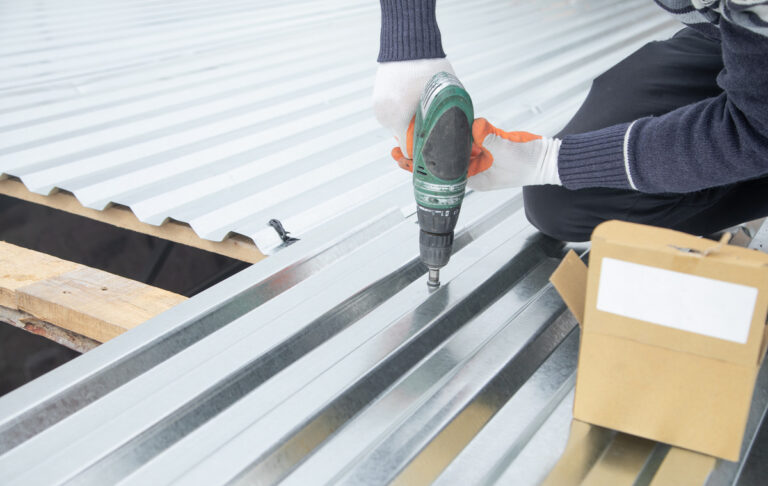
Comparing products and their qualities is a common need when it comes to roofing screws and other fasteners, and a good example is the common comparison between metal-to-wood screws vs metal-to-metal screws. What are some key differences here that should be noted, and why are they important as you work with differing roofing materials that need fastening?

At Supply Maverick, a division of Mid Michigan Metal Sales, we're proud to offer an unmatched selection of metal roofing screws and other fasteners for a variety of needs. Here are some of the important differences between metal-to-wood screws vs metal-to-metal screws, helping you understand the importance of these key qualities next time you're looking for either product range.

Basic Thread Design

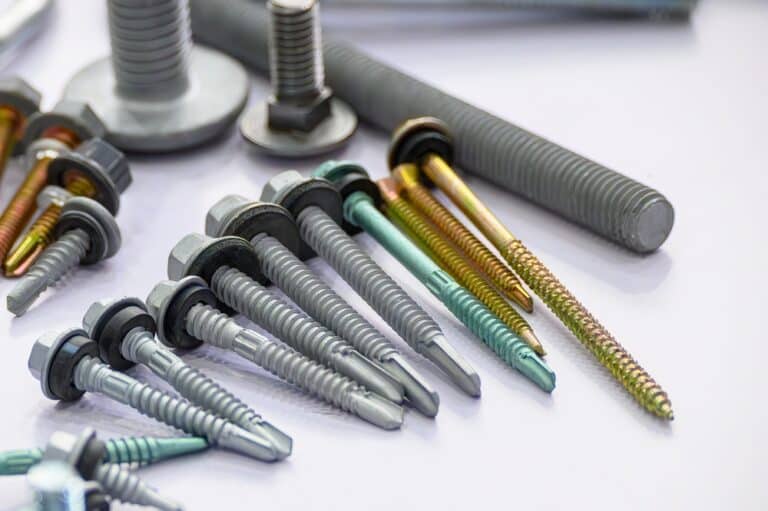
One of the chief areas where metal-to-wood screws and metal-to-metal screws differ for roofing needs is in their thread design. Metal-to-wood screws typically have a coarse, deep thread that is designed to easily grip on and hold onto the softer wood material.

In contrast, metal-to-metal screws have a finer, more tightly-wound thread that is able to securely latch onto harder metals without stripping or slipping. This difference in thread design is essential for ensuring proper installation and long-lasting durability of your roofing materials.

Tip Style

Because the metal materials that will be drilled into for metal-to-metal screws are naturally much stronger than most wood varieties, metal-to-metal screws use self-drilling tips to allow for easier installation. These tips are designed to drill through the metal material without needing a pre-drilled hole, saving you time and effort during installation.

Metal-to-wood screws, on the other hand, typically don't need self-drilling tips due to the softer nature of wood. However, they may have sharp points to help guide the screw into place more easily.

Basic Performance Differences

There are a few basic areas where performance differences can be seen when it comes to metal-to-wood screws vs metal-to-metal screws:

Common Applications

There are a number of common applications that both metal-to-wood and metal-to-metal screws can be used for. Some examples:

The two don't have a ton of overlap when it comes to usage, generally speaking.

Sourcing Quality Screws

Whether you're looking for metal-to-wood or metal-to-metal screws, it's vital to source quality products that will get the job done right. High-quality screws will help keep your roof or other property areas secured and resistant to damage - while on the flip side, low-quality screws may not hold up as well over time, leading to potential issues and costly repairs.

At Supply Maverick, we're here to help you find the ideal metal roofing screws for any need. Contact us today to learn more or begin your order!

How Screw Coatings Affect Corrosion Resistance in Roofing

Several protective qualities are important to consider when it comes to your roofing, and corrosion resistance is typically high on this list. One particular element that can have an impact on corrosion resistance for your roof is the screw material you use for fastening, plus the corrosion resistance properties of that material.

At Supply Maverick, a division of Mid Michigan Metal Sales, we're here to offer a huge range of metal roofing screws and other metal roofing fasteners for any need, including for clients who prioritize corrosion resistance for their roof. Here are some of the common screw coating materials that are found on roofing screws today, plus how roofing screws and corrosion resistance go together and how these various materials will help your roof steer clear of any corrosion issues.

Proper Coating and Fastener Lifespan

Before we get into some material options, it's important to recognize the importance of the proper roofing screw coating - not just for corrosion resistance alone, but also for several related areas that speak to the long-term lifespan of your roofing fasteners.

One of the primary benefits of using coated roofing screws is their increased durability. Many coatings are specifically designed to protect the screw and underlying material from harsh weather conditions, such as extreme temperatures, UV rays, and moisture. This helps to prevent premature rusting or corrosion which can weaken the fastener and compromise the integrity of your roof.

Another benefit of a proper coating is its ability to act as a lubricant during installation. This makes it easier to drive the screws into place without causing any damage to the surrounding materials. The coating also reduces friction and heat generation during installation, which can help extend the lifespan of both the screw and the tool being used.

Now let's look at some coating material options to consider.

Zinc and Galvanized Coatings

Some of the most common coating materials for roofing screws and corrosion resistance are zinc and galvanized coatings. Zinc is a well-known metal that offers excellent protection against corrosion, and it is often used as a coating material for screws because of its effectiveness and affordability.

In particular, zinc and galvanized coatings are ideal for resisting rust in various wet or moist environments, making them suitable for roofs that are frequently exposed to rain or snow. These coatings work by forming a protective layer over the steel material of screws, which prevents oxygen and water from coming into contact with the metal and causing corrosion.

However, it is worth noting that zinc and galvanized coatings can still corrode over time if they are damaged or worn down. Therefore, regular maintenance and inspections are crucial to ensure the long-term effectiveness of these coating materials. Additionally, certain environmental factors such as high levels of salt in coastal regions can also accelerate the corrosion process on zinc and galvanized coatings.

Ceramic and Polymer Coatings

Another common type of coating material is ceramic and polymer coatings. These coatings are typically used for their superior resistance to corrosion, wear, and abrasion. They also have excellent thermal and electrical insulation properties.

Ceramic coatings are made from inorganic materials such as oxides, carbides, and nitrides. They are known for their high hardness and ability to withstand extreme temperatures. Polymer coatings, on the other hand, are made from organic materials such as resins or plastics. They offer good flexibility and adhesion, making them suitable for applications where movement or vibration is present.

These roofing screws tend to be ideal for coastal or salty environments where corrosion is a major concern. The ceramic coating provides excellent protection against saltwater and other corrosive elements, making them a popular choice for roofing projects near the coast or in industrial areas.

Bare Steel: Stay Away

We also wanted to offer an example of a roofing screw material that should not be used if corrosion resistance is a key priority for your project. Bare steel screws, while more affordable than their coated counterparts, are not recommended for use in roofing applications due to their high susceptibility to corrosion.

Without any protective coating, bare steel roofing screws will quickly rust and deteriorate when exposed to moisture and other environmental factors. This can compromise the structural integrity of your roof and lead to costly damage over time.

As you can see, there are a few robust options for metal roofing screws with corrosion resistance in mind - but also some materials you should stay away from. For more here, or to learn about any of our metal roofing snow guards, fasteners or other products, contact our team at Supply Maverick today.

How to Identify Screw Thread Types for Metal Roofing and Siding

A few qualities of the screws you use for your metal roofing or metal siding fastening needs are important to be aware of, and one good example here is thread type. What do we mean when we refer to thread type, and which common thread types are used for metal roofing and siding screws today?

At Supply Maverick, a division of Mid Michigan Metal Sales, we're here to offer the best selection of metal roofing and siding screws and fasteners available on the market, including a variety of screw thread types. Here are some basics on what thread type is and why it matters, plus some of the most common metal roofing screw thread types to consider for your needs.

Screw Thread Type Basics and Importance

For those just learning about metal roofing and fasteners, screw thread type refers to the shape and angle of the spiral ridges on a screw that allow it to grip onto materials as it is tightened. The threads are essentially what give the screws their hold and stability in different types of surfaces.

The right screw thread type can make all the difference when it comes to effectively securing your metal roofing or siding panels. It not only determines how well the screws will grip onto the material, but also affects factors such as durability, ease of installation, and resistance to corrosion.

There are several types of screw threads commonly used for metal roofing and siding applications such as pancake heads. Some of the most widely used will be covered across the rest of this blog.

Coarse Threads

When it comes to various soft materials that screws may be utilized for, such as wood or foam insulation, coarse threads are the go-to option for a strong and secure grip. These threads are designed to cut deeply into the material, providing maximum holding power.

Now, coarse threads are also sometimes used for metal roofing and siding. They are ideal for attaching metal sheets to wooden or metal frames, as they provide a secure grip that can withstand strong winds and other weather conditions.

Fine Threads

On the other hand, fine threads are better suited for harder materials such as metal, especially in thinner varieties. These threads are also used for denser substrates, such as hardwoods and composites, as they can be driven in with greater ease and less splitting.

One of the key benefits of fine threads is their ability to create a tight fit without causing damage or splits. They are also less prone to stripping or loosening over time, making them ideal for applications where frequent adjustments may be needed.

Twin Threads

For certain metal profiles, twin threads allow for much faster and more efficient installation of screws. As the name suggests, twin threads consist of two intertwined threads instead of a single one. This allows for double the number of threads to be engaged at once, resulting in a faster driving speed and increased holding power.

Twin threaded screws are commonly used in metal decking and roofing applications, as well as in assembly lines where speed is essential. They can also be used in softer wood materials, but may not provide the same level of holding power as fine or coarse threads.

Visual Cues to Help You Spot Screw Thread Type

Here are some common visual cues that can help you determine which thread type is present for a given screw, including existing screws in your roof that you did not install:

At Supply Maverick, a division of Mid Michigan Metal Sales, we're happy to offer a wide range of roofing screw thread types for any metal roofing, metal siding or similar need. Contact us today to learn more about our products or to place an order!

homecartphone-handsetquestion-circle