
Vented Ridge Closure
-

1-1/2″ Tall Flovent Ridge Venting 10′ length
$19.99 USD
You save Add to cart -
1.5″Tx3″Wx10’L Flex-O-Vent (20′ of closure per package)
$42.00 USD
You save Add to cart -
2″ Rib Ventflex Vented Ridge Closure 2 Rolls/pkg 1″Tx2″Wx10’L
$26.00 USD
You save Add to cart -
Hardy Rib 3′ Fastvent Plus Vent Stick
$8.99 USD Add to cart -

PBR Fastvent Plus 1-3/4″Wx36″L Vent Stick
$9.50 USD Add to cart -
SNAP-Z STANDING SEAM METAL ROOF RIDGE VENTING (Color: Black)
$6.25 USD
You save Select options This product has multiple variants. The options may be chosen on the product page -

Standing Seam Fastvent Plus 1″Tx1-3/4″Wx32″L Vent Stick
$8.25 USD Add to cart
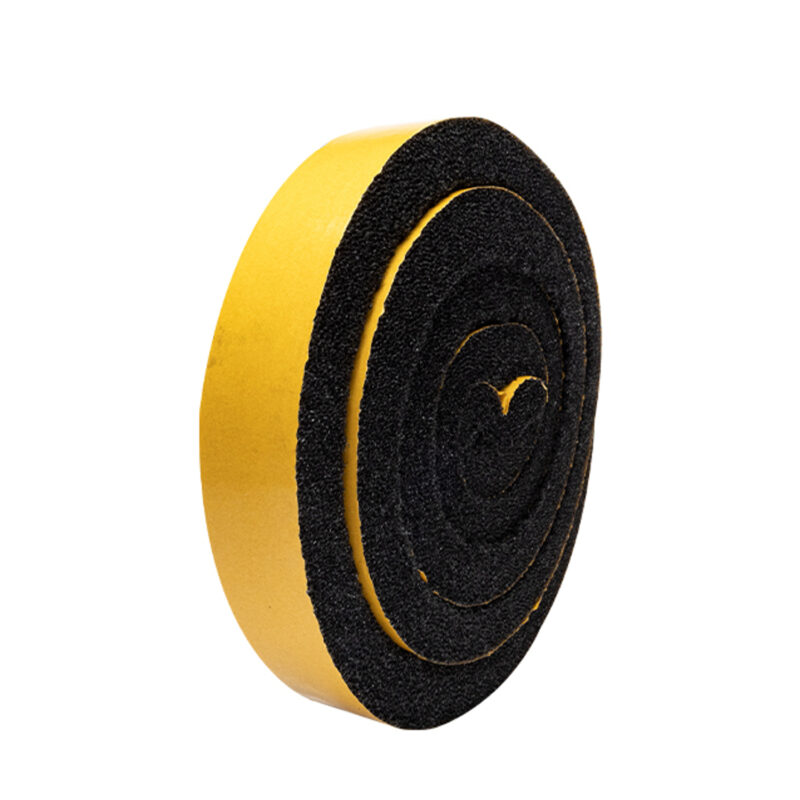
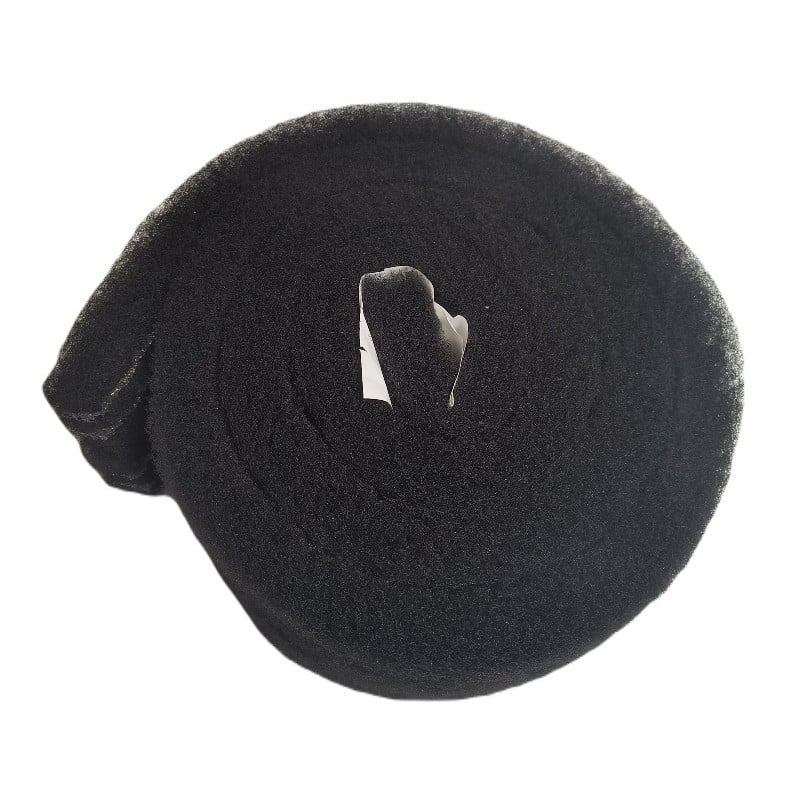
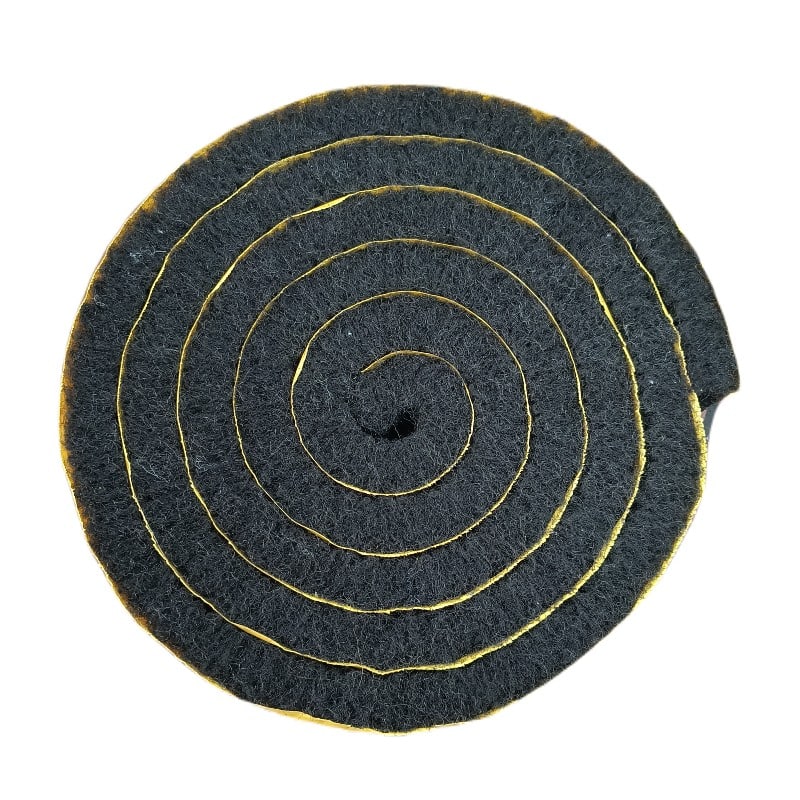
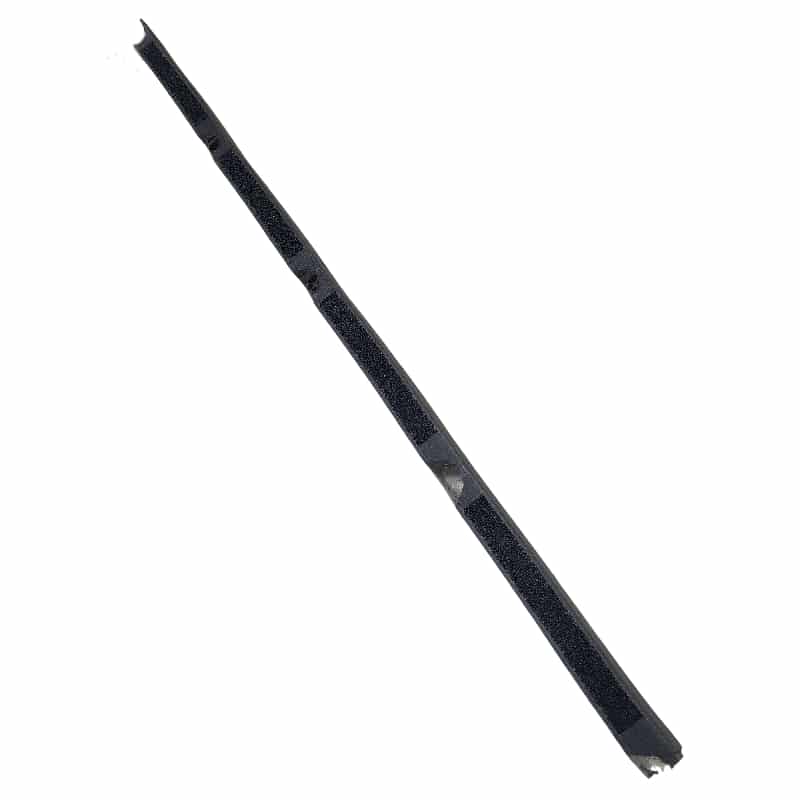
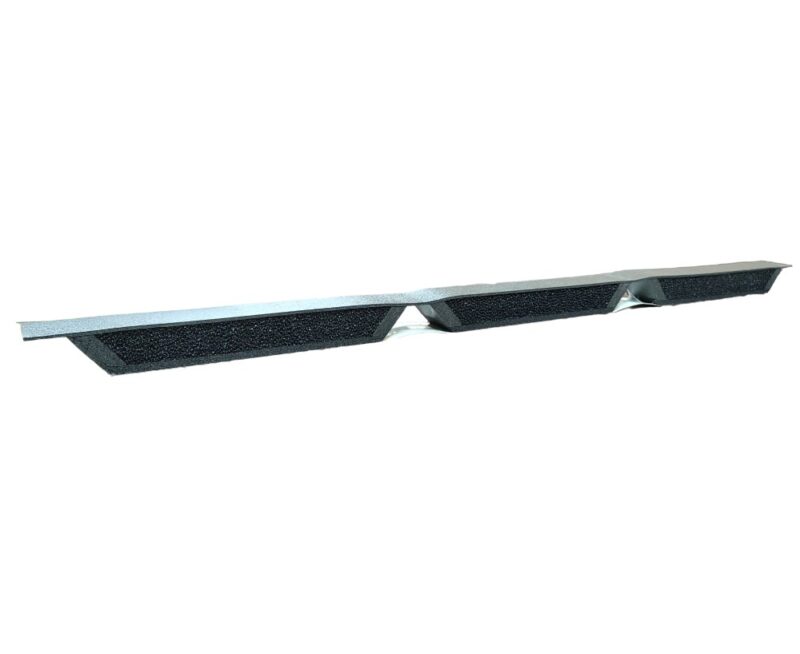
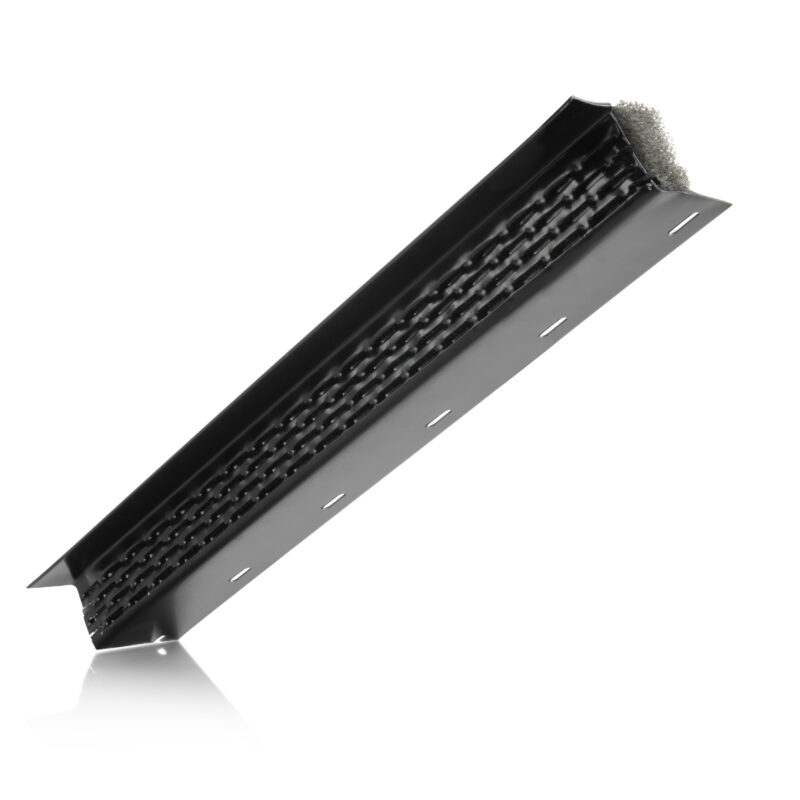
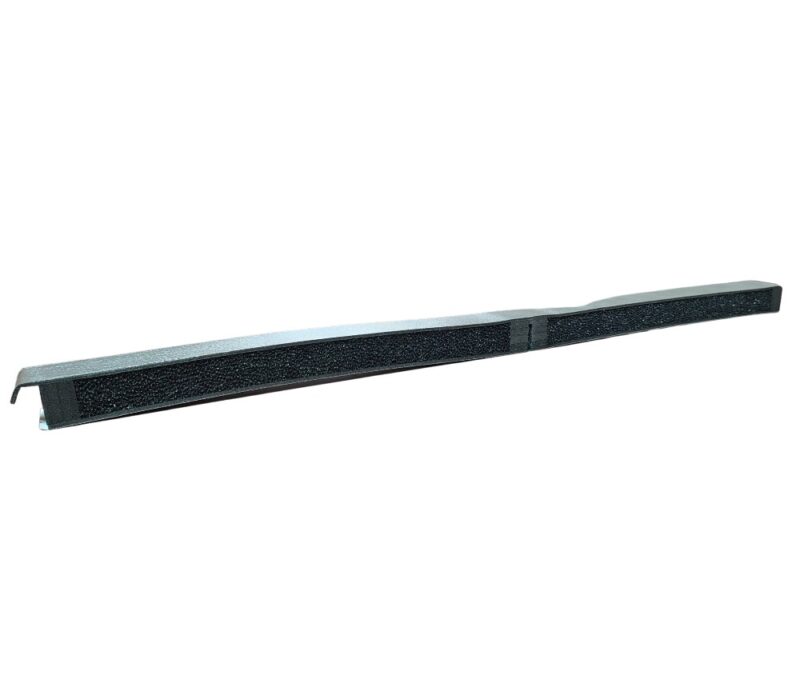
Vented ridge closure provides a metal roof with an exhaust path at its peak, while also closing the open spaces under the ridge cap. This design feature helps ensure proper ventilation and prevents outside debris or bugs from entering the structure, making it a good option for roofs that require attic breathability to maintain ideal interior conditions.
When purchasing a ridge closer for your system, fit is the most important detail to consider. For best results and secure installation, match the closure to the panel profile first, then confirm the rib height and the ridge setup, because AG panels, PBR/R-panels, and standing-seam roofs all have specific measurement requirements and close differently.
Supply Maverick stocks vented ridge closure for metal roofing in foam rolls, profile-specific FastVent Plus vent sticks, Flex-O-Vent, FloVent, and Snap-Z standing-seam ridge venting. If you know your panel, start with the products below. If you are still checking fitment, determine the panel type and the specific measurements before placing an order to avoid incompatibility.
Still unsure which closure matches your roof? Contact Supply Maverick with the product name or SKU you’re considering. Include your panel profile and ridge cap style, along with the rib height and spacing, so the team has the correct details and can help you get the right product for your installation.
Shop Vented Ridge Closure by Panel Type
Choose by panel profile first. A closure made for a low-rib AG panel can leave the wrong gap on a taller PBR/R-panel, and standing-seam ridge systems usually require their own closure style.
Use this guide to narrow the category before opening individual product pages. Panel names can vary by manufacturer, so confirm the measurements on your roof against the fitment notes on the product page.
| Panel or Project Type | Best Product Direction | Buyer Note |
| AG panel, Hardy Rib, Econo Rib, Classic Rib, Tuff Rib, Pro Rib, or similar 9″ on-center ribs | Hardy Rib 3′ FastVent Plus vent stick | Made for panels with 9″ on-center major ribs and a 3/4″ tall rib. |
| AG panel or similar low-rib profiles from 1/24″ to 7/8″ | 2″ Rib VentFlex vented ridge closure | Each package includes two 10′ pieces for 20′ of closure. Used as intended, it can complete both sides of one 10′ ridge cap. The product lists 18 sq. in. of net free area per linear foot at the ridge. |
| PBR/R commercial panels | PBR FastVent Plus vent stick | Built for PBR/R commercial panels with 12″ on-center major ribs and a 1-1/4″ tall rib. |
| AG panel or similar ridge caps with 1″ to 1-1/4″ tall ribs | Flex-O-Vent ridge vent closure | Each package includes 20′ of closure and completes both sides of one 10′ ridge cap when used as intended. The product page lists a 40-year limited warranty. |
| Roof profiles with 7/8″ or lower rib heights | 1-1/2″ Tall FloVent ridge venting | A contractor-friendly 10′ option with scrim tape adhesive, sized 2″ wide x 1.5″ tall. |
| 1″ tall, 16″ wide standing-seam panels | Standing-seam FastVent Plus vent stick | Each stick covers two panels and is built for 1″ tall ribs on 16″ wide standing-seam panels. |
| Standing-seam ridge systems that need a metal vented closure | Snap-Z standing-seam ridge venting | Stocked in black 26-gauge steel with pre-applied butyl tape and model-based length options. |
What a Vented Ridge Closure Does on a Metal Roof
Under the ridge cap, the vented closure follows the shape of the metal panel. It reduces open gaps at the top of the roof while leaving a route for warm, moist air to exit the roof assembly.
That balance matters on a vented roof. A bare ridge cap can leave openings for rain, insects, dust, and debris. While solid-closure foam seals those openings, it blocks ridge exhaust. Vented closure strips are therefore used when the ridge closure has been designed to breathe.
| Closure Type | Main Purpose | Best Fit |
| Vented ridge closure | Supports ridge exhaust airflow while helping close panel gaps | Metal roofs designed with ridge ventilation |
| Solid closure foam | Seals panel gaps without ridge exhaust airflow | Non-vented ridge details, eaves, transitions, and areas designed without airflow |
| Standing-seam metal ridge vent closure | Creates a vented metal closure between standing-seam panels | Standing-seam roofs, where a formed metal ridge detail is preferred |
How to Choose the Right Vented Ridge Closure
Match the Closure to the Panel Profile
Start with the panel in front of you. AG panel, Classic Rib, Tuff Rib, PBR/R-panel, and standing-seam systems can use different rib spacing or rib heights, so fitment should be based on measurements rather than the panel name alone.
For common exposed-fastener panels with 9″ on-center major ribs and 3/4″ tall ribs, the Hardy Rib 3′ FastVent Plus vent stick is the profile-specific option to check first. For PBR/R commercial panels with 12″ on-center major ribs and 1-1/4″ tall ribs, look at the PBR FastVent Plus vent stick.
Check Rib Height and Rib Spacing
Rib height controls how much space the closure has to fill under the ridge cap. Rib spacing tells you where that material needs to land. A close-but-wrong closure can still leave gaps, especially around taller commercial ribs or standing-seam profiles.
Measure from the flat of the panel to the top of the rib. Then confirm the on-center spacing from rib to rib. Those two numbers usually narrow the choice faster than looking at a product photo.
Choose the Format that Fits the Job
Longer runs often work well with roll-style products such as 2″ Rib VentFlex vented ridge closure or Flex-O-Vent ridge vent closure. 1-1/2″ Tall FloVent ridge venting is another 10′ option for profiles with lower rib heights. Profile-specific vent sticks are worth checking when the rib pattern needs a closer match, especially on Hardy Rib, similar AG panels, or PBR/R-panels.
Standing-seam roofs have their own ridge details. Compare the standing-seam FastVent Plus vent stick with Snap-Z standing-seam ridge venting. FastVent Plus is a foam vent stick for 1″ tall, 16″ wide standing-seam panels. Snap-Z is a metal ridge venting system stocked in black with pre-applied butyl tape and selectable model options.
Plan the Quantity Before Checkout
Measure the full ridge length, then check whether the product covers one side or both sides of the ridge cap. The package format changes the math.
Rib VentFlex and Flex-O-Vent each include two 10-foot pieces for 20 feet of closure. Used as intended, it can complete both sides of one 10′ ridge cap. FloVent is sold as a 10′ length, while
FastVent Plus vent sticks are sold by the piece. Before ordering, confirm the product page quantity, package length, and side coverage for your ridge cap setup.
Vented Ridge Closure by Roof Panel Style
AG Panel and Ribbed Metal Roof Panels
For AG panel, Hardy Rib, Econo Rib, Classic Rib, Tuff Rib, Pro Rib, and similar exposed-fastener profiles, start by checking rib spacing. The Hardy Rib 3′ FastVent Plus vent stick is made for 9″ on-center major ribs with a 3/4″ tall rib. The 2″ Rib VentFlex vented ridge closure fits AG panel or similar low-rib profiles from 1/24″ to 7/8″.
PBR and R-Panel Commercial Panels
PBR/R commercial panels use a taller rib profile than many AG panels, so the closure needs sufficient height and proper rib spacing to seal cleanly under the cap. The PBR FastVent Plus vent stick is made for PBR/R commercial panels with 12″ on-center major ribs and a 1-1/4″ tall rib.
Standing-Seam Metal Roof Ridge Venting
Standing-seam ridge details usually call for a different closure approach than exposed-fastener panels. Supply Maverick carries the standing-seam FastVent Plus vent stick for 1″ tall, 16″ wide standing-seam panels. The Snap-Z standing-seam ridge venting option is built for compatible standing-seam ridge systems.
Ventilation Basics Before You Order
A vented ridge closure handles the exhaust side of the roof setup. However, intake still matters. Net free area refers to the open area available for air to pass through a vent, and balanced systems usually pair an eave-area intake with an exhaust at or near the ridge.
Industry ventilation guidance often advises that the intake net free area should be equal to or greater than the ridge exhaust. If the ridge has more exhaust than the roof has intake, air can be pulled from the wrong places, and performance may suffer. The Asphalt Roofing Manufacturers Association (ARMA) also provides a quick estimating method for the 1:150 code minimum: divide the attic floor square footage by 2 to get the square inches of exhaust net free area and the square inches of intake net free area needed.
Local code and the roof assembly can change the requirement. For project-specific ventilation design, check local building codes and talk with a qualified local installer.
Installation Considerations for Vented Ridge Closure
Use the product instructions and local installation guidance for jobsite details. A few checks can prevent ordering problems for future projects.
| Installation Consideration | What to Verify |
| Surface prep | Adhesive-backed closures should be applied to a clean, dry panel surface. |
| Ridge cap fit | The closure should sit under the ridge cap and follow the panel profile closely enough to reduce open gaps. |
| Product features | FastVent Plus, FloVent, and Snap-Z options include adhesive or pre-applied sealing features, depending on the product. |
| Weather protection | Vented closure should help reduce wind-driven rain, insects, dust, and debris beneath the ridge cap while supporting airflow. |
| Balanced ventilation | Ridge exhaust should be paired with enough intake ventilation, usually at the soffit or eave area. |
Why Buy Vented Ridge Closure from Supply Maverick
Supply Maverick is the e-commerce division of Mid-Michigan Metal Sales, so this category is built around real metal roofing components rather than generic hardware-bin parts. You’ll find a wide selection of profile-specific closure options, roll-style vented foam, and standing-seam venting solutions. Straightforward, comprehensive product details are also written for contractors and capable DIYers who need to keep roof installation moving.
Need materials fast? Most orders placed before 12 noon EST ship the same day. Select products also show bulk quantity pricing directly on the product page, which helps when you’re buying for larger jobs or shop stock.
Supply Maverick ships quality metal building products across the United States, Canada, New Zealand, and Australia. Net30 accounts are available for online purchases, too. Shop Supply Maverick today so that you are prepared for your next big job.
Frequently Asked Questions (FAQs)
What is a vented ridge closure?
A vented ridge closure is a metal roofing accessory installed under the ridge cap. It helps close the openings created by panel ribs while allowing air to exhaust through the roof ridge.
Do I need a vented ridge closure for a metal roof?
Use a vented ridge closure when the roof is designed for ridge ventilation. For a non-vented ridge detail, solid-closure foam may be a better fit. A qualified local installer can confirm the right approach for the specific roof.
What is the difference between vented and solid closure strips?
Vented closure strips support airflow at the ridge. Solid closure strips seal gaps without ridge airflow, so they’re better suited for non-vented details and other locations designed without airflow.
How do I choose the right vented ridge closure?
Match the closure to the roof panel profile, rib height, rib spacing, and ridge cap style. AG panel, PBR/R-panel, and standing-seam systems use different closure options, so measurements should be checked before ordering.
Can a vented ridge closure help with condensation?
It can support roof ventilation by allowing exhaust airflow at the ridge, but the ridge closure is only one part of the ventilation path. Balanced intake and exhaust are the basis of effective attic ventilation.
How much vented ridge closure do I need?
Measure the total ridge length, then check whether the product covers one side or both sides of the ridge cap. Some packages, including Rib VentFlex and Flex-O-Vent, include two pieces designed to complete both sides of a 10′ ridge cap when used as intended.
Which vented closure works for PBR panels?
PBR FastVent Plus vent stick is made for PBR/R commercial panels with 12″ on-center major ribs and a 1-1/4″ tall rib.
Which vented closure works for standing-seam panels?
Supply Maverick carries a standing-seam FastVent Plus vent stick for 1″ tall, 16″ wide standing-seam panels. Snap-Z standing-seam ridge venting is available for compatible standing-seam ridge systems.
Should ridge vents have equal soffit ventilation?
Ventilation guidance advises that ridge exhaust should be balanced with intake. In many systems, soffit intake should be equal to or greater than ridge exhaust.