
Roofing Vents
-

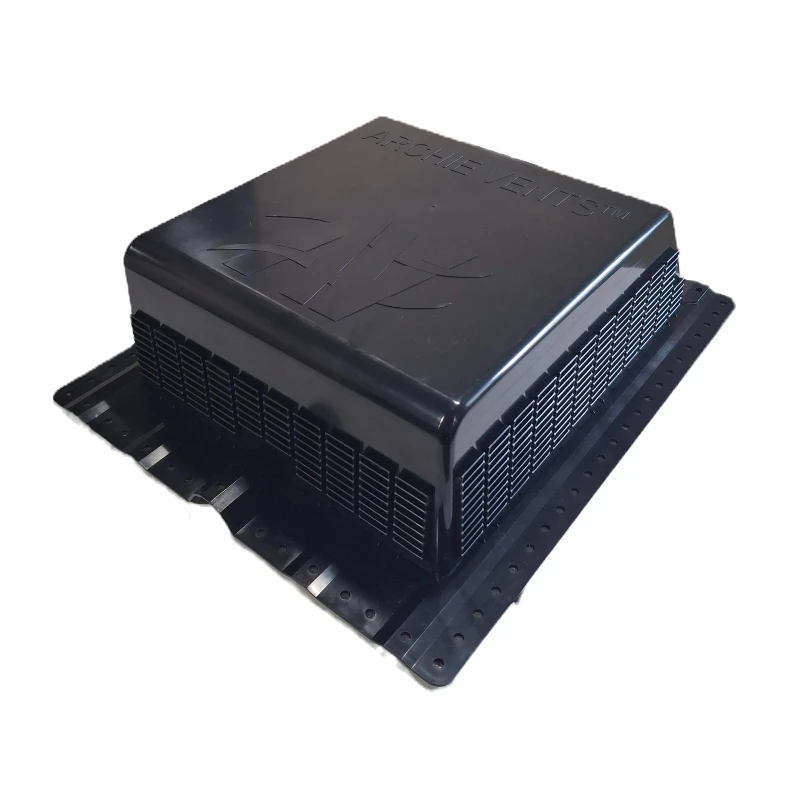
AV 3/4 Hi-Rib Panel Vent (Black)
$145.00 USD Add to cart -

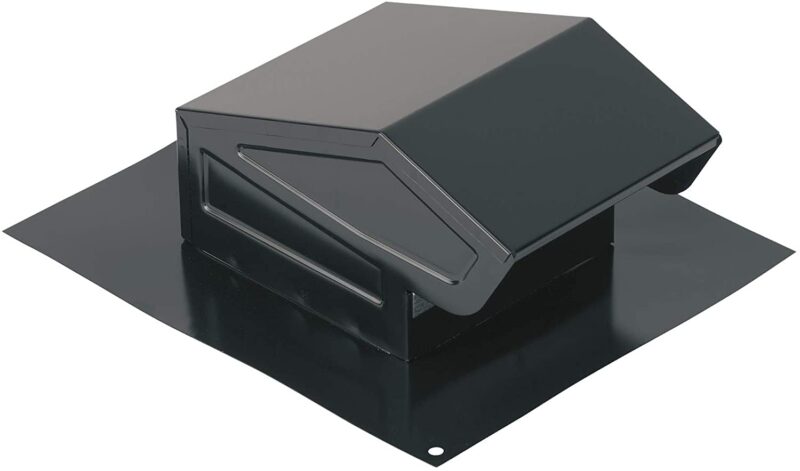
Broan Nutone Roof Cap 636
$25.00 USD Add to cart -

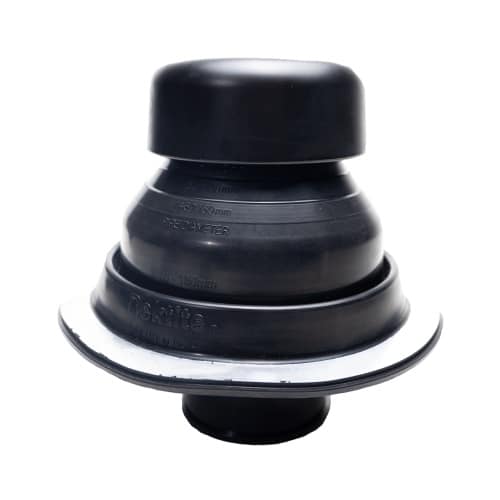
CoVent Metal Roofing Exhaust Vent
$86.99 USD
You save Select options This product has multiple variants. The options may be chosen on the product page -
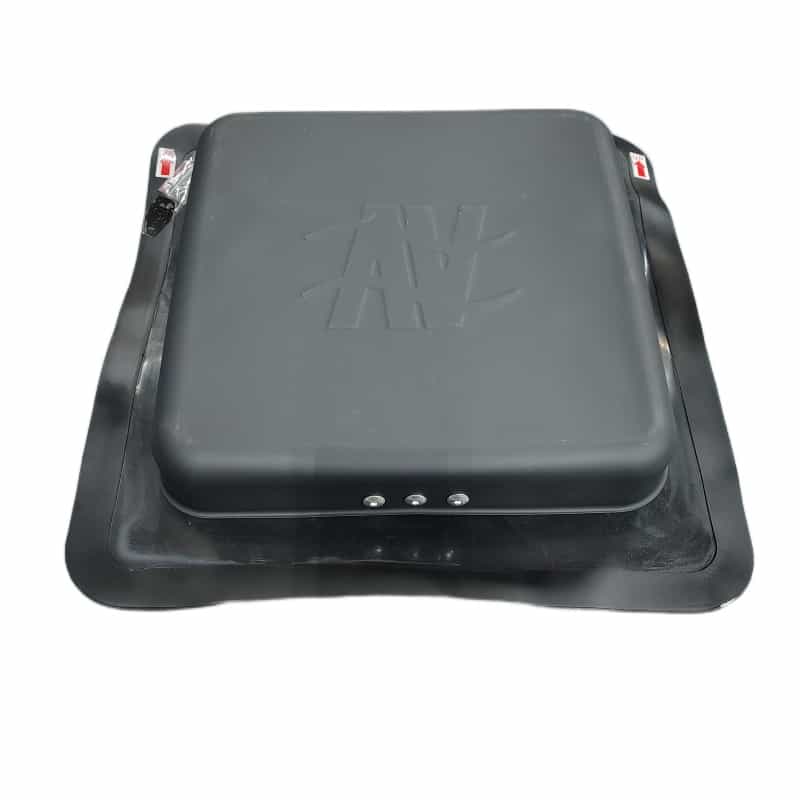
JackedVent Metal Roof Vent
$155.00 USD
You save Select options This product has multiple variants. The options may be chosen on the product page
A metal roof is a long-term investment, and the right venting keeps it dry, efficient, and low maintenance. Ventilation stops three expensive headaches before they start: condensation, rust, and excessive heat. Backed by the manufacturing expertise of Mid-Michigan Metal Sales, Supply Maverick pairs proven products with practical guidance so you get what works, without the guesswork.
We stock specialized, hard-to-find roof vents you won’t see at big-box stores. From corrugated metal roof vents to standing seam ridge solutions, we keep niche items ready to ship so you don’t have to chase parts across suppliers. Order before 12 p.m. EST, and your order will most likely ship the same day, keeping your schedule on track.
Below, you’ll find exhaust fan vents, low-profile static vents, ridge venting systems, and standard roof caps. Whether you’re managing a complete reroofing project or upgrading attic airflow, we have options that match your panel profile and application.
High-Performance Metal Roof Vents
Contractors need components that arrive fast and install cleanly, while DIYers want vents that seal right, last, and fit the panel without a fight. That’s the standard we use for every metal roof vent we carry. You’ll see corrosion-resistant materials, weathertight designs, and clear Net Free Area (NFA) ratings to help you meet code with confidence.
Pairing parts is straightforward, too. For ridge details, use our vented ridge closures and foam closure strips to keep out wind-driven rain, insects, and debris. Need fasteners built for metal panels? Add metal roofing screws so your whole system works together.
Why Proper Metal Roof Ventilation Is Important
Metal transfers heat quickly. On a hot day, an unventilated attic beneath a metal roof can reach temperatures above 150°F. That heat cooks underlayment, bakes insulation, and makes heating, ventilation, and air conditioning (HVAC) equipment work harder. Over time, thermal swings can fatigue fasteners and shorten the roof’s service life. The fix isn’t complicated: move hot air out near the ridge and draw in cooler air at the eaves.
Cold months bring a different risk. Warm, humid interior air rises into the attic and contacts the cool underside of the metal panels, where it condenses. Moisture that lingers can rust fasteners, rot decking and framing, and soak insulation, inviting mold that often goes unnoticed until repairs get expensive. Balanced ventilation dries the space before damage sets in.
The stack effect does the heavy lifting: Cool air enters low at the eaves or soffits as intake, warms as it rises, and exits through exhaust vents near the ridge. Building codes commonly call for 1 square foot of NFA for every 150 square feet of attic floor space, split evenly between intake and exhaust. Pros and DIYers who keep that balance extend roof life and may trim energy costs along the way.
Types of Roof Vents for Metal Roofing
Metal roofing systems vary, and so do the vents that fit them. Contractors need profile-correct parts to avoid callbacks, and DIYers need solutions that seal on ribbed panels without fuss. The product groups below cover the core options, from profile-specific ridge systems to terminations for round ducts. For ribbed-panel ridge lines, you can also use vented ridge closures for a tight, clean finish under the cap.
Exhaust Fan Vents for Metal Roofs
Trying to force a plastic, shingle-style cap over corrugated ribs is a common leak path. A flat base can’t conform over ribs and valleys, so gaps invite water. This is a specialized need, and exactly the kind of problem we solve with in-stock, metal-ready terminations.
The CoVent Metal Roofing Exhaust Vent is built specifically for metal roofs. It arrives with a DEKS roof boot flashing preattached, accepts 3- or 4-inch flex hoses (a 3-inch adapter is included), and comes in black or gray. Contractors get a purpose-built termination that seals over ribs, and DIYers get a straightforward install that doesn’t require a custom flashing job. Be aware that this product is intended for bathroom and attic venting, not dryer vents.
Low-Profile Metal Roof Vents
For passive attic exhaust without a powered fan, low-profile static vents are a smart pick. They blend into the roofline, resist weather, and move air without moving parts. The JackedVent™ Metal Roof Vent by Archie Vents uses a slim pancake profile to keep lines clean while still moving air. It provides 24.3 square inches of NFA, includes a weathertight raised collar with a storm shield on the downhill side, and works on standing seam and exposed fastener panels. Choose black, white, silver, or natural gray to align with common residential, agricultural, and commercial finishes.
Working with 9-inch on-center, 3/4-inch rib Ag panels? The AV 3/4 Hi-Rib Panel Vent (Black) is a purpose-built option with 43.18 square inches of NFA and a patented design that seats, seals, and vents properly on that profile.
Ridge Vents and Vented Closures for Metal Roofs
For balanced, passive ventilation that disappears into the roofline, ridge vents set the standard. They run the full peak, look clean from the ground, and work best with soffit intake. Because metal panels have ribs, you need profile-specific or highly conformable materials to seal at the ridge; flat shingle vents alone won’t seal correctly. Match the ridge components to the panel profile, and the result looks professional and performs reliably.
- Hardy Rib 3′ Fastvent Plus Vent Stick: Built for 9-inch on-center, 3/4-inch rib Ag panels, it delivers continuous ridge ventilation and helps control condensation on agricultural and residential roofs.
- 1-1/2″ Tall Flovent Ridge Venting (10′ length): A profiled ridge vent for 3/4-inch rib panels that tucks under the ridge cap and creates a tidy, weather-resistant seal.
- Flex-O-Vent (1.5″T x 3″ W x 10’L): A flexible, conforming vent that adapts to many Ag and similar ribbed profiles; it’s made in the USA and backed by a 40-year limited warranty.
- Standing Seam Fastvent Plus: A dedicated vent stick for standing seam systems designed to integrate cleanly with typical standing seam ridge details.
Standard Roof Caps
For standard round-duct exhaust terminations on sloped metal roofs, the Broan NuTone Roof Cap 636 is a dependable, budget-friendly choice. It fits 3- or 4-inch round ducts, is made of galvanized steel with a baked-on black enamel finish, and includes a built-in backdraft damper and bird screen. This is a solid, no-fuss termination for bathroom exhaust fans and range hood venting on any sloped roof.
How to Choose the Right Roof Vent for Your Metal Roof
Begin with the application. If you’re venting a bathroom exhaust fan or an attic fan with flex ducting, choose a metal-specific exhaust vent such as the CoVent. It seals over ribs and transitions cleanly to 3- or 4-inch hose. If you want passive attic exhaust instead of a duct termination, use a low-profile static vent like the JackedVent or select a ridge vent system for continuous, balanced airflow. Contractors should confirm both duct size and purpose with the building owner before ordering to avoid surprises on site.
Match the panel profile. Corrugated and ribbed panels such as Ag panel or Hardy Rib need profile-specific vented closures or flexible, conforming materials at the ridge so water can’t sneak past the ribs. Standing seam panels take dedicated vent sticks built for their geometry. A flat-base shingle vent on a corrugated panel is a classic leak path, and it’s easy to avoid by selecting the right component up front. For penetrations, pair the vent with pipe boot flashing to maintain a reliable seal.
Size the system. A common baseline is the 1:150 guideline: 1 square foot of NFA per 150 square feet of attic floor area, split evenly between intake and exhaust. DIYers can use that as a practical rule of thumb, while contractors should verify against local code or engineered ventilation plans. Add up the NFA ratings for the vents in your cart to make sure you’re covered before the job starts.
While you plan, round out your order with foam closure strips and the right metal roofing screws for a streamlined, complete delivery.
Still weighing options? Our support team will help you match vents to your exact roof profile and application. We supply the materials and the know-how so you can move forward on your project with confidence.
Shop Metal Roof Vents with Same-Day Shipping
Get premium metal roof vents at wholesale prices, with bulk-quantity discounts and Net 30 accounts for qualified business buyers. We ship across the United States, Canada, Australia, and New Zealand. You’ll find the specialized parts big-box stores don’t carry, all in one place.
Whether you’re a seasoned contractor or tackling a weekend DIY project, you’ll find the right metal roof vent here. Add what you need to the cart; most orders placed before 12 p.m. EST are out the door the same day, so your timeline stays intact.
FAQs
What is a roof vent?
It’s a component installed on or near the roof peak that lets hot, moist air escape from the attic or roof cavity, helping prevent heat buildup, condensation, and structural damage.
What type of roof vent is best for a metal roof?
Ridge vents are the most popular and effective option for metal roofs because they provide continuous, low-profile exhaust along the full ridge line. For exhaust fan ducting, use a metal-specific exhaust vent, such as the CoVent.
How many roof vents do I need?
Many codes use 1 square foot of NFA per 150 square feet of attic space, split evenly between intake and exhaust. Contractors should verify with local code, and DIYers can use this as a reliable rule of thumb. Add up the NFA ratings on each product you select to confirm you’ve got enough coverage.
Can I install a roof vent on a corrugated metal roof?
Yes, but select vents designed for corrugated profiles as flat-base vents won’t seal against ribs. Use profile-specific ridge venting or flexible, conforming materials for ridge applications, and EPDM-booted exhaust vents for pipe or duct penetrations.
What’s the difference between a ridge vent and a box vent?
A ridge vent runs the full length of the peak and provides continuous, low-profile exhaust. A box vent (static vent) is a smaller unit installed on the roof face. Ridge vents are generally more effective and visually cleaner on metal roofs.