
Corrugated Foam Closure Strips
-

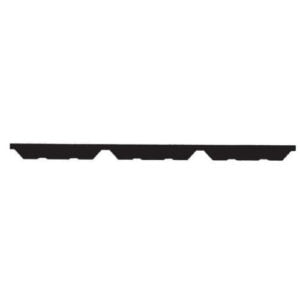
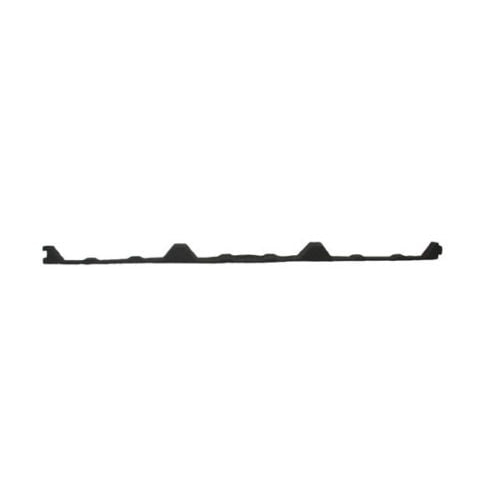
3ft PBR Outside Closure Foam w/glue
$1.50 USD Add to cart -

3ft PBR Panel Inside Closure Foam w/glue
$1.50 USD Add to cart -

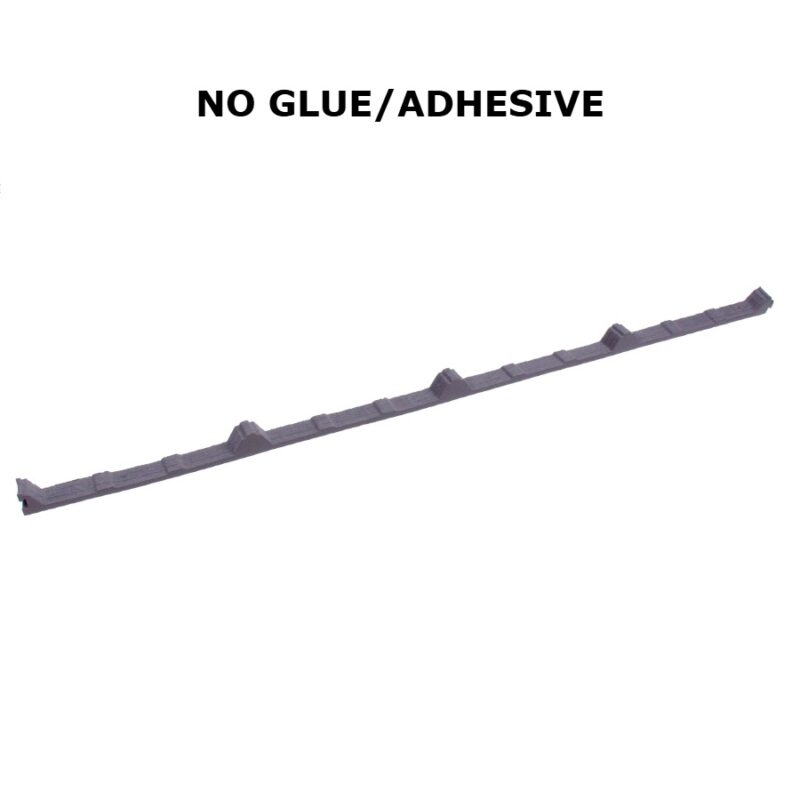
HR 3ft Inside Closure Foams NO GLUE/ADHESIVE for Ag Panels – 3/4″ Tall x 9″ On Center Ribs
$1.25 USD
You save Add to cart -
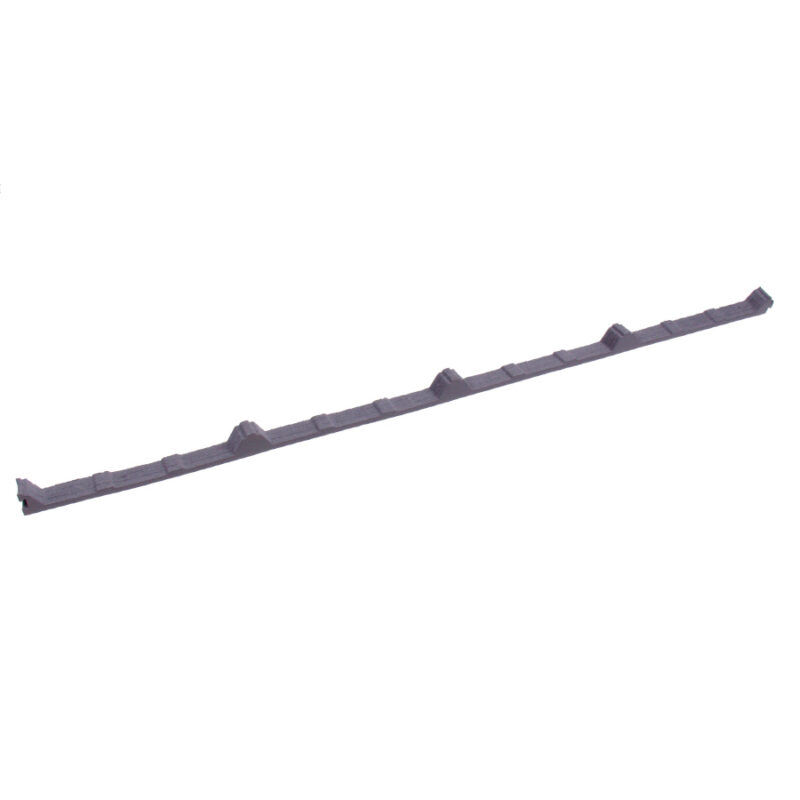
HR 3ft Inside Closure Foams w/Glue
$1.25 USD
You save Add to cart -
HR 3ft Outside Closure Foams w/Glue
$1.25 USD
You save Add to cart
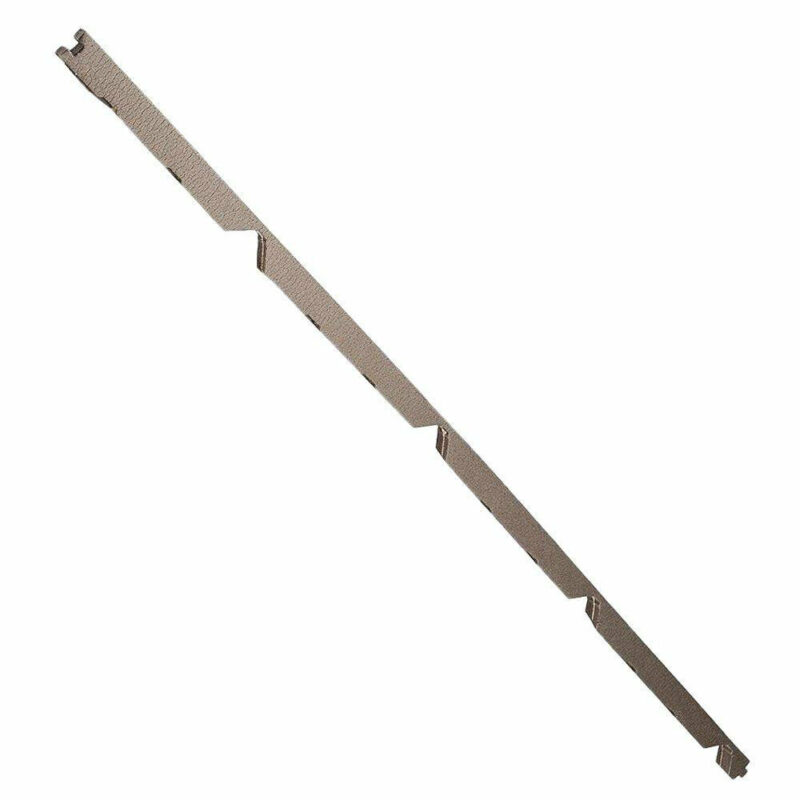
What Are Corrugated Foam Closure Strips?
Corrugated foam closure strips are profiled foam pieces cut to match the exact wave geometry of your corrugated metal panels. They fill open gaps at critical details (under the panel at the eave, beneath a ridge cap, and anywhere the panel meets walls or flashing) to keep out water, wind-blown rain, insects, and debris.
Most closures are made from polyethylene or polyurethane foam: light, flexible, and precisely shaped to interlock with the panel profile. Adhesive-backed options hold the foam in place during layout and fastening, while non-adhesive pieces and continuous rolls can speed up long runs. High-quality closures typically deliver 15-20 years of service, though any foam will age faster than the metal roofing system itself.
The Benefits of Using Corrugated Foam Closure Strips
Install closures once and several small headaches disappear. They stop wind-driven rain at the eave (the roof’s bottom edge) and ridge, block insects and rodents from attic spaces, keep debris from drifting in, and let trims sit flat without gaps or oil-canning. At the ridge, vented (open-cell) closures allow hot, moisture-laden air to escape while still blocking precipitation and dust, keeping the building drier and more comfortable. At the eave or any fully sealed edge, closed-cell closures create a tighter air and moisture barrier. Together, these details contribute to a cleaner, drier, longer-lasting roof assembly.
Inside vs. Outside Corrugated Closure Strips: What’s the Difference?
“Inside” and “outside” closures are easy to mix up, but the difference is straightforward: inside closures go under the panel, and outside closures go on top. Because corrugated profiles use symmetrical waves, the same foam piece often flips to serve as either type, unlike ribbed panels such as purlin bearing rib (PBR) or Hardy Rib, which require distinct inside and outside closures. Beyond the eave and ridge, closures also belong at endwalls, chimneys, pitch breaks or transition flashings, valleys, and pre-hung box gutters. In short, anywhere the profile needs to be sealed.
Inside Closure Strips
Inside closures are installed beneath the corrugated panel, typically at the eave. They sit between the panel and the eave trim or substrate, sealing the corrugation valleys from the underside to prevent wind-driven rain, insects, and debris from entering. Closed-cell foam is the standard choice for a tight seal against air and moisture. For a fast, tidy install that stays put, always look for adhesive-backed options.
Outside Closure Strips
Outside closures rest on top of the corrugated panel, most commonly at the ridge between the panel surface and the underside of the ridge cap. They close the corrugation gaps on the exterior side of the panel. Many closures include pre-applied adhesive that holds the foam in place while you fasten the ridge cap or trim.
Choosing the Right Corrugated Metal Roofing Screws
Choosing the right screws is as important as choosing the right closures. Fasteners often represent less than 1% of a roof’s total cost, yet poor selection or installation can cause failures that cost far more to fix. Start with two basics: what you’re fastening to (wood or steel) and the thickness of that substrate. Corrugated panels need fasteners with integrated EPDM sealing washers so the screw seals the hole as it clamps the panel.
Metal-to-Wood Corrugated Roofing Screws
Most residential corrugated roofs fasten into wood decking or wood purlins. A sharp, self-piercing Type 17 point drives through the panel and bites into wood without pre-drilling, while a Hi-Lo thread pattern improves pull-out resistance. Two proven options are our #11 PG Hi-Lo EPDM Washered Metal Roofing/Siding Fasteners – Bag of 250, the primary metal-to-wood option for corrugated panels, and our #12 TuffGrip Metal to OSB EPDM Washered Fasteners – Bag of 250, engineered for oriented strand board (OSB) sheathing and not intended for metal purlins.
Metal-to-Metal Corrugated Roof Fasteners
Fastening to steel purlins, girts, or I-beams calls for self-drilling screws (often called Tek-style). The self-drilling tip cuts through the panel and into the steel in one pass — no pre-drilling needed. Match the drill point number (for example, #1, #3, or #5) to the steel thickness. For standard light-gauge steel purlins, our #12 x 1 in. MetalGrip Self-Drilling Fasteners (Steel to Steel) – Bag of 250 is the go-to. For heavy-gauge steel, step up to our #12 MetalGrip T5 Self-Drilling Roofing/Siding Fasteners (Steel to Steel) – Bag of 250. Heads-up: the T5 drill point isn’t for PVC or synthetic substrates.
The Role of the EPDM Washer in Corrugated Roof Fasteners
Every quality corrugated roof screw includes an EPDM rubber washer bonded to the underside of the head. Driven correctly, the washer compresses to form a watertight seal around the hole. Two mistakes cause most leaks: over-tightening and under-tightening. Over-tightening crushes the washer, causing it to deform and crack over time. Under-tightening leaves a gap, rendering it essentially useless. The rule of thumb is, if you can spin the washer with your fingers after driving, it’s too loose. Aim for flush compression: the washer sits tight against the panel with no gap or bulging.
Corrugated Screw Placement and Quantity Guide
Two questions come up on nearly every corrugated metal roof: where do the screws go, and how many will you need? Use the guidelines below as a baseline for planning. Always consult a qualified local installer and follow your panel manufacturer’s installation guide. Supply Maverick supplies the materials, but installation decisions should be verified by a professional.
High vs. Low Corrugation: Where to Place the Screw
There are two approaches to corrugated screw placement. Fastening in the high (the crest of the corrugation) keeps the screw head above the waterline, reducing exposure to runoff and debris. Fastening in the low (the valley) can create a tighter mechanical connection because the panel compresses flat against the substrate. The downside is that it exposes the screw and washer to more water, increasing the risk of leaks if the washer ever fails. Always defer to the panel manufacturer’s guide.
How Many Corrugated Roofing Screws Per Sheet?
A practical planning figure is about 80 screws per 100 square feet (one roofing square) of corrugated metal. On a typical 37″-wide panel, expect four screws per screw line placed every third corrugation, plus lap screws at sidelaps spaced 12″-18″ along the overlap. Trims and flashings usually need one to two screws per linear foot. Steeper pitches, high-wind zones, and local code requirements can increase these counts. For a deeper breakdown, see Supply Maverick’s blog post How Many Screws Per Sheet of Metal Roofing?
Replacement Corrugated Roof Fasteners: When and Why
Thermal cycling can work screws loose over time, and UV exposure can dry or crack older EPDM washers. When the original hole has become worn or enlarged, a standard #10 replacement won’t grip. That’s when oversized replacement screws pay off. Our #14 FastGrip Galvanized Replacement Screws (Metal to Wood) – Bag of 250 are built for this repair. The oversized #14 diameter bites into worn holes where a #10 or #12 would spin freely, making it the go-to for backed-out corrugated screws. For moderately enlarged holes, our #12 ReGrip Replacement Screw Metal to Wood – Bag of 250 is a solid mid-size option.
Why Supply Maverick Is Your Source for Corrugated Roofing Supplies
Supply Maverick is the e-commerce division of Mid-Michigan Metal Sales, designed to solve the “can’t-find-it-anywhere” problem. We stock the hard-to-find corrugated closure strips and roof fasteners big-box stores don’t carry, and most orders placed before 12 p.m. EST ship the same day to keep your project moving. Whether you’re a seasoned contractor ordering in bulk or a homeowner tackling a weekend repair, our team is ready to help you choose the right component for your panel and substrate.
All fasteners are available in bags of 250, with bulk-quantity pricing tiers that deliver real value for larger jobs. Business-to-business (B2B) customers and contractors can apply for Net 30 terms for online purchases to simplify cash flow. We proudly ship across the United States, Canada, Australia, and New Zealand.
Frequently Asked Questions
Do corrugated foam closure strips come in different sizes?
Yes. Corrugated foam closure strips are profile-specific; the foam is cut to match the exact corrugation height and pitch of a particular panel. Confirm your panel profile before ordering so the closure fits correctly.
Can I use the same closure strip for inside and outside applications on a corrugated panel?
In most cases, yes. Unlike ribbed panels such as PBR or Hardy Rib, corrugated panels typically use a symmetrical foam profile that can be flipped to serve as either an inside or outside closure. Always check the product listing to confirm compatibility with your specific panel profile before ordering.
Do I need pre-drilled holes for corrugated roofing screws?
Not necessarily. Self-drilling and self-piercing corrugated roofing screws create their own hole as they’re driven. Many installers still pre-drill to keep screw lines straight and placement consistent, especially on long panel runs. Pre-drilling generally isn’t recommended when fastening into steel purlins, since a misaligned hole is hard to correct.
Are foam closure strips open-cell or closed-cell foam?
Both are available, and the application determines the choice. Closed-cell foam is denser and creates a complete air and moisture seal, which is the standard for eave closures requiring a fully sealed edge. Open-cell foam allows air to pass while still blocking pests and debris, making it the right fit for ridge closures where passive ventilation helps manage heat and moisture in the roof cavity.
How long do EPDM washers on corrugated roofing screws last?
High-quality EPDM washers are UV-resistant and built to last for decades under normal conditions. In harsher climates with extreme UV exposure or wide temperature swings, washers can eventually dry out, crack, or lose compression. When that happens, leaks may develop even if the screw is still mechanically tight. Oversized replacement screws are available to restore a watertight seal without drilling new holes.