
Self Drilling/Tapping Metal Roofing Screws
-

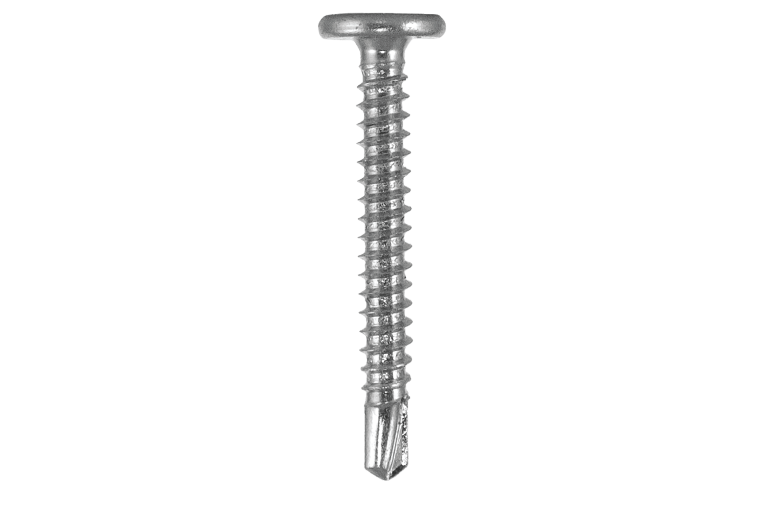
#10 Pancake Screws Zinc Plated Self Drilling- Bag of 250pcs
Price range: $14.00 through $17.00 USD
You save Select options This product has multiple variants. The options may be chosen on the product page -

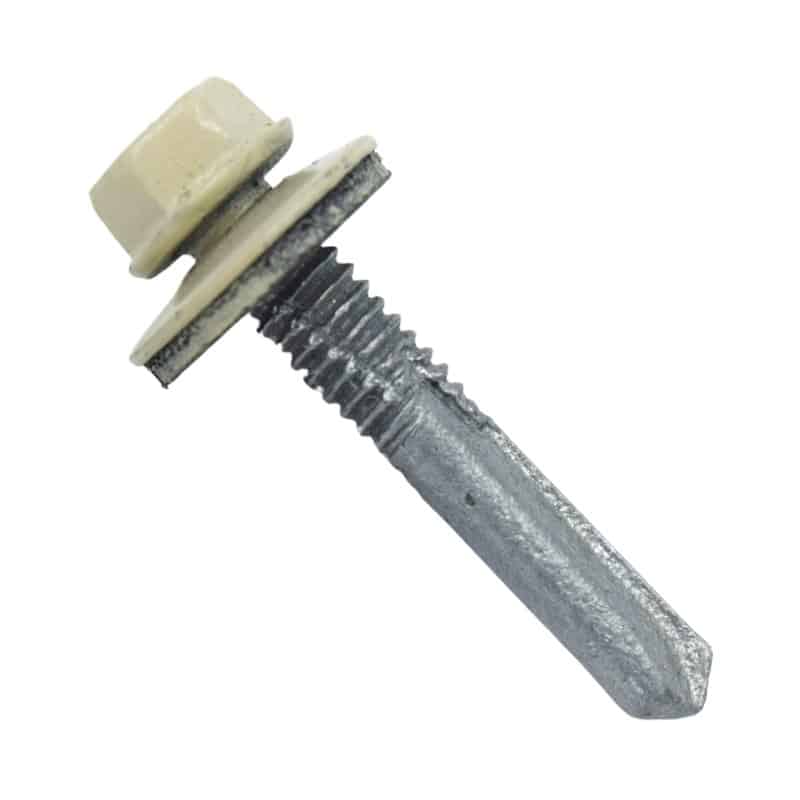
#12 MetalGrip Self Drilling Roofing/Siding Fasteners (Steel to Steel)- Bag of 250
Price range: $24.26 through $55.56 USD
You save Select options This product has multiple variants. The options may be chosen on the product page -

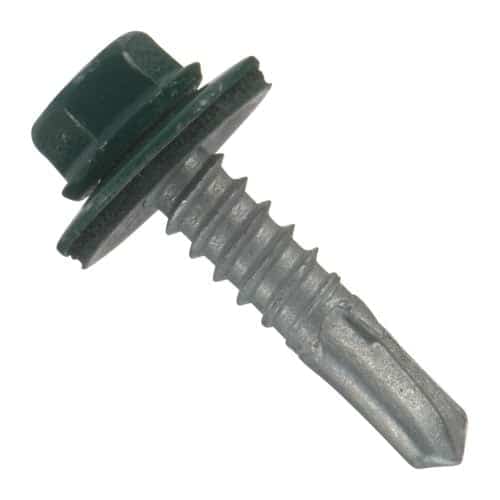
#12 MetalGrip T5 Self Drilling Roofing/Siding Fasteners (Steel to Steel)- Bag of 250
Price range: $47.00 through $67.73 USD
You save Select options This product has multiple variants. The options may be chosen on the product page -

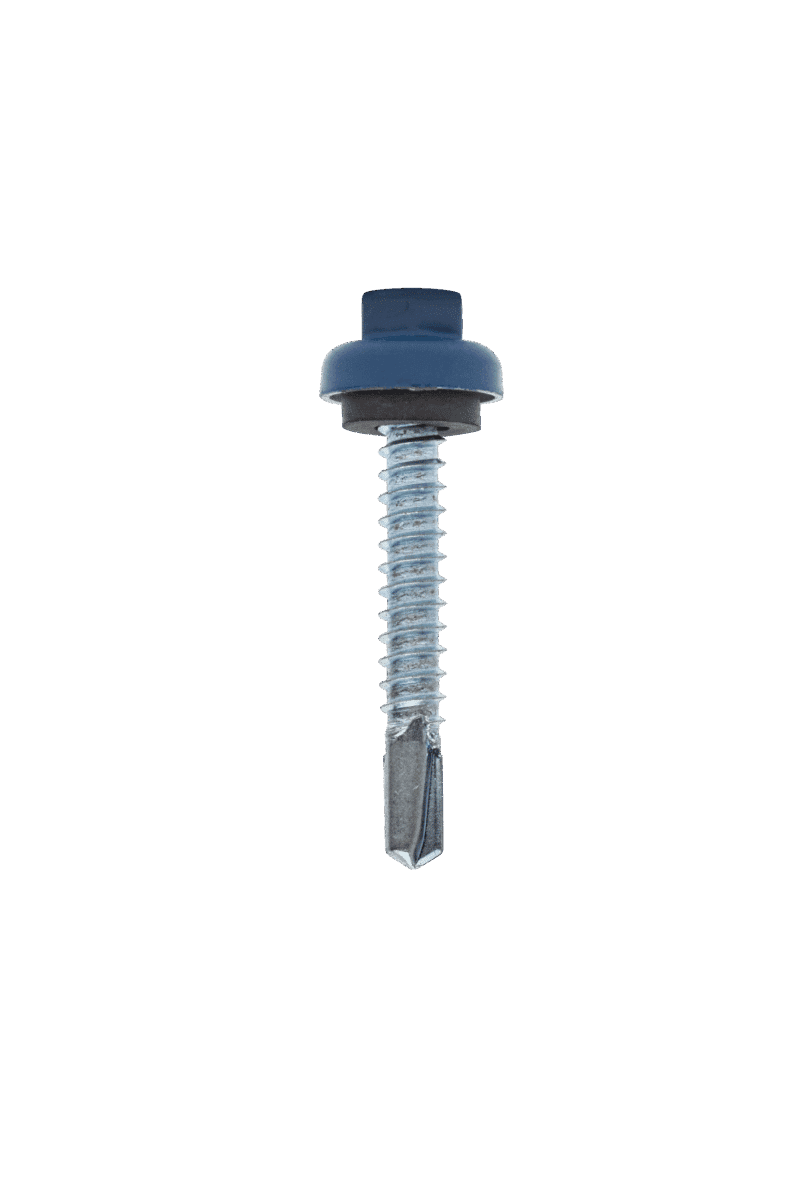
#12 ProZ Aluminum Cap Metal to Metal EPDM Washered Fasteners – Bag of 250
Price range: $62.17 through $89.02 USD
You save Select options This product has multiple variants. The options may be chosen on the product page
Self-drilling and self-tapping metal roofing screws fasten panels, trim, siding, clips, and sheet metal without slowing the job. For steel-to-steel and metal-to-metal work, self-drilling screws are often the faster choice, as the drill point cuts the hole and the threads bite into the metal in the same pass.
Self-tapping screws are used when the material already has the right pilot hole or when the screw is meant to form threads as it’s driven. At Supply Maverick, you’ll find high-quality roofing fasteners, including EPDM washered screws for exposed panels, heavy-duty steel-to-steel fasteners, and low-profile pancake head screws for concealed fastening work.
What Are Self-Drilling Roofing Screws?
Self-drilling roofing screws are fasteners with a drill-bit-style point that cuts into the material as the screw is driven. In many metal roofing and siding applications, they drill, tap, and fasten in one step, which saves time compared with drilling a pilot hole first. At all times, though, the specific drill point matters, especially when fastening through panel steel into steel purlins or other metal framing. You need to use self-drilling screws that can actually penetrate and secure the material in question.
What Are Self-Tapping Roofing Screws?
Self-tapping roofing screws form their own threads as they’re driven into the material. When it comes to metal, many self-tapping screws need a pilot hole before installation. They also include a washer, usually made of neoprene or EPDM, that secures the hole and blocks moisture from entering the area. Usually featuring a hex-shaped head, these screws are used to secure thin metal to roofs and walls for long-term use.
Self-Drilling Screws vs Self-Tapping Screws
| Feature | Self-drilling roofing screws | Self-tapping roofing screws |
| Point style | Drill-bit-shaped point | Point style varies by material and thread design |
| Pilot hole | No pilot hole is needed. | Requires a pilot hole, especially in metal |
| Main job | Drills the hole and forms threads while fastening | Forms threads after the hole is already present |
| Best fit | Metal-to-metal roofing, siding, steel framing, and purlin work | Pre-punched metal, thin sheet material, trim, plus jobs where the hole is already prepared |
| Buying tip | Match drill point, length, coating, and washer to the roof system | Match hole size, thread type, length, and substrate before installation |
In everyday terms, contractors often call both styles “self-tapping screws.” While they share many similarities, they are still different. A self-drilling screw is the term used when a fastener has a built-in drill point to make its own hole; a self-tapping screw is a screw that tends to require a pilot hole before installation.
Types of Self-Drilling and Self-Tapping Screws Available
At Supply Maverick, we offer a wide range of self-drilling and self-tapping screws. Whether you need screws with built-in washers, pancake head screws for low-profile jobs, or heavy-duty screws to secure metal to metal, we carry them.
Self-Drilling Metal-to-Metal Roofing Screws
For steel-to-steel fastening, choose a self-drilling screw with a drill point rated for the thickness of the metal. The #12 MetalGrip T5 Self Drilling Roofing/Siding Fasteners feature a #5 point, a 5/16-inch hex head, and a galvanized EPDM washer, and they’re designed for drilling up to 0.5-inch-thick steel. Many installers refer to this general style as Tek screws, though “Tek” is a brand-related term in the fastener industry.
Metal-to-Metal EPDM Washered Fasteners
EPDM washered fasteners are used when a screw head should remain exposed and the fastener hole needs a tight seal. The #12 ProZ Aluminum Cap Metal to Metal EPDM Washered Fasteners include a zinc aluminum alloy cap, a long-lasting EPDM washer, a 5/16-inch hex head, and a Type 3 drill point. They’re sold in 250-count bags, which makes them practical for roofing, siding, and contractor stock orders.
Pancake Head Self-Drilling Screws
Pancake head self-drilling screws are built for low-profile fastening where the screw head needs to sit flat. The #10 Pancake Screws Zinc Plated Self Drilling are commonly used for securing standing seam clips and Clip Lock standing seam metal roofing systems. They feature a #2 square drive, a self-drilling point for steel-to-steel applications, and a flush profile that helps reduce dimpling under the panel.
Common Applications of Self-Drilling and Self-Tapping Screws
Self-drilling and self-tapping screws are used in a wide variety of applications. They’re ideal for any project featuring metal panels, so they are often used in roofing projects, flashing attachment, siding installation, and more.
Metal-to-Metal Roofing Panel Installation
Metal-to-metal panel work usually calls for a self-drilling fastener that can cut through the panel and bite into the steel framing underneath. Where the head stays exposed, an EPDM washered fastener helps seal the hole once the screw is seated.
Metal Roofing Over Wood Substrates
Metal-to-wood jobs require a different thread and point design than steel-to-steel assemblies. If your roof system fastens into lumber, plywood, or oriented strand board, you can browse our catalog of fasteners and metal roofing screws to find the perfect selection.
Sheet Metal and Light-Gauge Steel Fastening
For light-gauge steel, sheet metal, interior liner panels, and shop work, a self-drilling screw can speed up repeat fastening. Thin material still needs steady torque control, since overdriving can strip the hole or leave the fastener poorly seated.
Roofing Trim and Flashing Attachment
Trim and flashing may require shorter fasteners, color-coordinated heads, or EPDM washers, depending on exposure. Always follow the panel manufacturer’s fastening pattern, especially at roof edges, transitions, and other areas that see more wind and water movement.
Siding and Wall Panel Installation
Many metal roofing fasteners are also used for metal siding because both systems need secure panel attachment and weather resistance. In many cases, you can even match the existing panel’s color, though you should confirm the exact shade before buying. Otherwise, you may find the screw heads detracting from the wall’s overall aesthetic.
Concealed Fastening Applications
Standing seam clips, clip lock systems, and similar concealed fastening areas need a head that won’t interfere with the panel. Pancake head screws are often the right fit because the low-profile head sits flatter beneath the roof panel.
Choosing the Right Self-Drilling or Self-Tapping Screws
To choose the right self-drilling or self-tapping screws, assess the project and the associated materials together. You need screws that can penetrate the material, stay secure for extended periods of time, and do not allow moisture inside.
Match the Screw to the Substrate
Steel-to-steel, metal-to-wood, metal-to-OSB, trim, and clip applications can require different fasteners. Wood requires screws threaded to grip the softer material, while steel purlin jobs need products that can secure two metal materials together. Assess the substrate first, and choose your screw accordingly.
Choose the Correct Drill Point
The drill point must match the thickness of the steel being fastened. #3 points are suitable for many metal-to-metal jobs, while #5 points are used for heavier steel-to-steel applications. Check the product details for the exact rating before you buy.
Select the Right Screw Size and Length
Length depends on the panel profile, the washer stack, the substrate, and the roof system’s embedment needs. Common roofing fastener sizes include #10, #12, and #14, but the specific roof system requirements should guide the final choice.
Use EPDM Washers for Exposed Fasteners
Ethylene-propylene-diene monomer (EPDM) is a synthetic rubber used in many roofing screw washers. For exposed roofing and siding fasteners, the washer helps seal the fastener hole when the fastener is properly compressed. However, overdriving can distort the washer, while underdriving can leave a gap that allows water to run under the head.
Check Head Style Before Ordering
Hex washer head screws are common on exposed panels because they pair the drive surface with a sealing washer. Pancake head screws fit concealed clip work because their heads sit low. In clip applications, a square-drive pancake screw is often easier to flushly seat.
Review Coatings and Corrosion Resistance
Galvanized, zinc-plated, stainless steel, and capped fasteners serve different exposure levels and budgets. Exterior roofing work needs a coating or material suited to the panel system, the local environment, and the project’s expected service life. If you choose the wrong material, the metal can degrade, or the gap could allow water inside your home’s structure.
Confirm Color and Finish Expectations
Color names can be generic and may not match another panel manufacturer’s exact color. If you require a specific product name, stock keeping unit (SKU), size, or color, contact Supply Maverick before ordering.
Product Match Guide
| Project need | Recommended product type | Suggested Supply Maverick product |
| Heavy steel-to-steel fastening | #5 point self-drilling screw with EPDM washer | #12 MetalGrip T5 Self-Drilling Roofing/Siding Fasteners |
| Exposed metal-to-metal fastening | EPDM washered fastener with corrosion-resistant cap | #12 ProZ Aluminum Cap Metal to Metal EPDM Washered Fasteners |
| Standing seam clip attachment | Low-profile pancake head self-drilling screw | #10 Pancake Screws Zinc Plated Self Drilling |
| Siding and wall panel work | Roofing or siding screw matched to substrate and exposure | Fasteners and metal roofing screws |
| Trim, flashing, and detail work | Shorter fastener with the right head style and washer type | Fasteners and metal roofing screws |
Installation Tips for Metal Roofing Screws
Installing metal roofing screws is similar to any other screw, though this type of work does have some specific requirements. Make sure you go into the project prepared; self-drilling and self-tapping screws are sharper than many other screws and often create more resistance, and being informed is the key to a safer project.
Use the Right Driver and Speed
The correct driver bit helps prevent stripping, damage, and poor seating. For painted fasteners, go slow enough to control the head and the washer. Avoid using impact drivers, as these can easily lead to over-tightening and damage to the screw’s head, which compromises its ability to seal the hole.
Seat the Washer Without Overdriving
A clean washer seat is important on exposed fasteners because the seal contributes to the roof’s weather resistance. The washer should be compressed enough to seal, but it shouldn’t be crushed or pushed out around the screw head. If you notice a damaged washer, replace the screw immediately to keep the site protected against moisture.
Keep Screws Straight During Installation
A straight drive path matters most on exposed fasteners and steel-to-steel applications, where the drill point and the threads need to cut on center. Angled screws can damage the washer seal and reduce holding power, or even lead to total material failure.
Follow the Roof System’s Fastening Pattern
Panel profile, wind conditions, substrate type, and local code needs can affect screw spacing. Check the panel manufacturer’s instructions or work with a qualified local installer when the fastening pattern is unclear. If you are ever unsure, contact an expert to avoid damaging your home or putting yourself at risk.
Why Choose Supply Maverick for Self-Drilling and Self-Tapping Screws
At Supply Maverick, we have a wide range of self-drilling and self-tapping screws, all high-quality options made by reputable brands. Whether you’re looking for a rare fastener type or want the peace of mind we provide, we are ready to help.
Hard-to-Find Fasteners for Metal Roofing and Siding
Supply Maverick carries specialized metal roofing and siding supplies that are hard to find at big-box stores. That includes steel-to-steel self-drilling screws, EPDM washered fasteners, and low-profile pancake head screws for clip systems.
Practical Product Options for Contractors and DIYers
Whether you’re stocking a job trailer or repairing a small section of siding, our bulk bags can help you order enough to complete the job. We sell 250-count bags and substrate-specific product options, so you can order what actually fits the project. This means that professionals can plan repeat jobs more easily, while homeowners can avoid guessing between similar styles.
Backed by Metal Building Component Experience
Supply Maverick is the e-commerce division of Mid-Michigan Metal Sales, which supports the brand’s product knowledge in metal roofing and siding supplies. That means we have the expertise and experience needed to help you get the project done right the first time.
Bulk Ordering and Wholesale Value
Bulk discounts and wholesale pricing are available on many products, so contractors can stock up for active jobs. We also offer Net30 accounts for online purchases, so bulk buyers have another way to manage supply orders.
Fast Shipping for Active Job Sites
Most orders placed before 12 noon EST ship the same day. Delivery timing can vary by carrier, destination, item availability, and product lead time, so check the current shipping page when timing is tight.
Self-Drilling and Self-Tapping Screws FAQs
What is the difference between self-drilling and self-tapping screws?
Self-drilling screws have a drill-bit-style point that makes the hole and forms threads as the screw is driven. Self-tapping screws form threads, but tend to require a pre-drilled or pre-punched hole when used in metal.
Do self-drilling screws require a pilot hole?
Self-drilling screws usually don’t require a pilot hole. However, the screw’s drill point must still match the metal thickness and application.
Are self-tapping screws suitable for metal roofing?
They can be, as long as the screw style, the pilot hole, the substrate, the washer, and the coating fit the roof system. For many steel-to-steel roofing jobs, a self-drilling screw is the simpler choice.
Can self-drilling screws be used for steel-to-steel applications?
Yes, self-drilling screws are commonly used for steel-to-steel fastening. For heavier steel, choose a drill point rated for the material thickness, such as a #5 point, where the product calls for it.
What size metal roofing screws should I use?
The right size depends on the panel profile, the substrate, the washer type, and the fastener location. Common roofing fastener sizes include #10, #12, and #14, but the roof system requirements should guide the final choice.
Are self-drilling screws waterproof?
The screw itself is not waterproof by default. For exposed roofing and siding fasteners, an EPDM washer helps create a weather-resistant seal when the screw is installed correctly.
Can these screws be used for siding and trim?
Yes, many metal roofing fasteners can also be used for siding, wall panels, trim, and flashing. The best option depends on whether the fastener is exposed, the substrate it’s driven into, and the required head style.
What is the return policy at Supply Maverick?
Our return terms can vary by product type and order details. Returns must be made within 30 days of receiving the item, you must submit a return request, and the item must be unopened in its original packaging. Any special order products are not eligible for return or exchange. If you are unsure about whether or not your item qualifies for return, contact our team to learn more.
Can I order self-drilling and self-tapping screws in bulk?
Yes, many Supply Maverick roofing fasteners are sold in 250-count bags, and bulk quantities are available for many items. We also offer wholesale pricing and Net30 accounts for some online purchases.
What does EPDM mean on roofing screws?
EPDM stands for ethylene propylene diene monomer, a synthetic rubber used for sealing washers on many roofing fasteners. On exposed metal roofing screws, the EPDM washer helps seal around the fastener hole when it is seated correctly.
Are Tek screws the same as self-drilling screws?
Many installers use “Tek screws” as a common nickname for self-drilling screws with a drill-bit-style point. However, “Tek” is the name of a brand known for selling these screws, and while many people refer to self-drilling screws as “Tek screws”, the terms are not interchangeable. Always double-check that you are purchasing the right item.