Metal Roof Fastener Mistakes (And How To Avoid Them)
Metal roofing is one of the most beautiful and durable materials you can choose for a residential or commercial property. However, you can only reap the benefits if the roofing system is installed correctly. One of the most underrated aspects of a quality metal roof is metal roof fasteners that hold the roof system together. Even small mistakes with fasteners can lead to leaks, corrosion, loose panels, and costly repairs down the road.
From seasoned roofing contractors to experienced DIYers, avoiding these common fastener errors will help your roof stand strong for years to come. With the right products from Supply Maverick, you can be confident you’ve got the right metal fasteners and screws for the job.
1. Choosing the Wrong Fastener Type
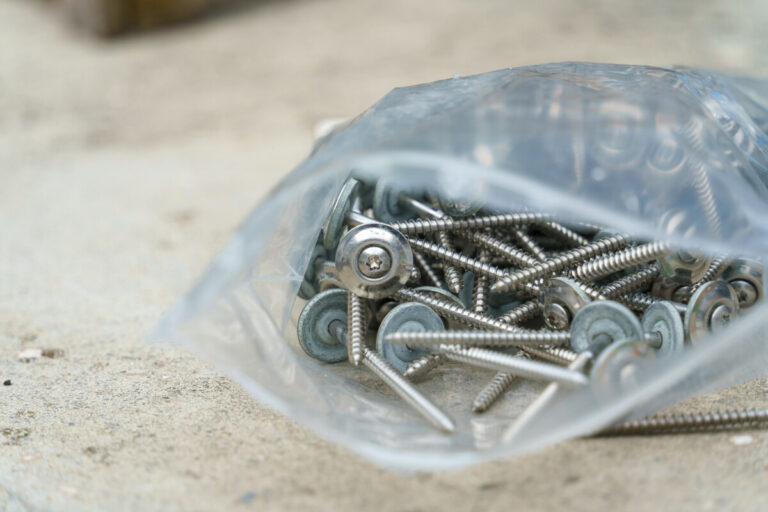
There are various fasteners that can be suited to use for a metal roofing project, (i.e. self-tapping screws, stitching screws, etc). Using a fastener that isn’t engineered for your panel type or environment can lead to performance problems. Using standard wood screws or incompatible fasteners on metal panels can cause corrosion, poor holding power, and water leaks. Metal roofing fasteners must be matched to both the panel and the structure underneath.
How to avoid it: Always select fasteners specifically manufactured for metal roofing, such as stainless steel that resists rust and galvanic corrosion. Partnering with a supplier like Supply Maverick ensures you get the correct fastener type for your specific project needs.
2. Over-Tightening or Under-Tightening Screws
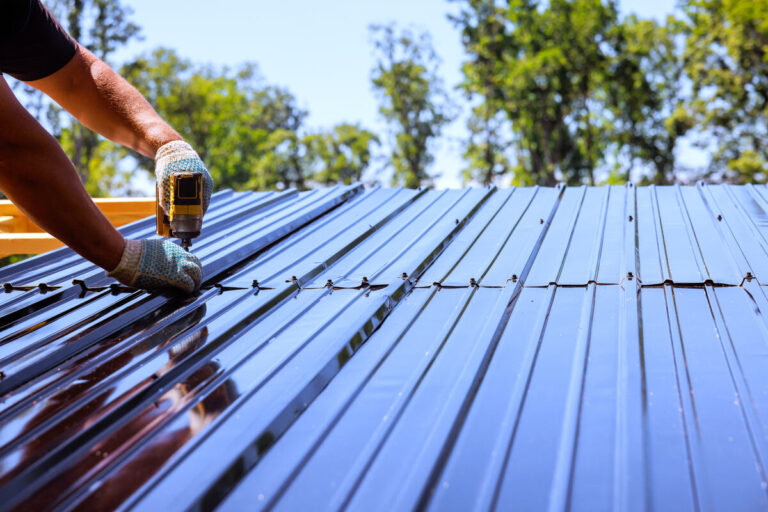
Getting fastener torque correct is essential for a roofing project. A metal roof fastener that is overtightened or undertightened can lead to serious structural issues.
- Over-tightening can crush or deform the washer, crack its seal, strip threads, or even warp the metal panel itself.
- Under-tightening doesn’t provide a secure, watertight seal and leaves panels vulnerable to wind uplift or water intrusion.
How to avoid it: Use a screw gun with adjustable torque or a clutch system set to the manufacturer’s recommended setting. You want to tighten the fastener until the washer is snug without overdoing it. The right torque setting protects your panels and the seal.
3. Misplaced Metal Roof Fastener
Installing a metal roof requires a high level of precision and attention to detail that makes them a durable, long-lasting investment. Misplaced fasteners can compromise this durability and lead to immediate leaks or eventual panel failure. Placing screws too close to panel edges or in the wrong part of the panel can weaken the roof’s resistance to wind and water. Screws placed in low spots where water collects are more likely to corrode and leak
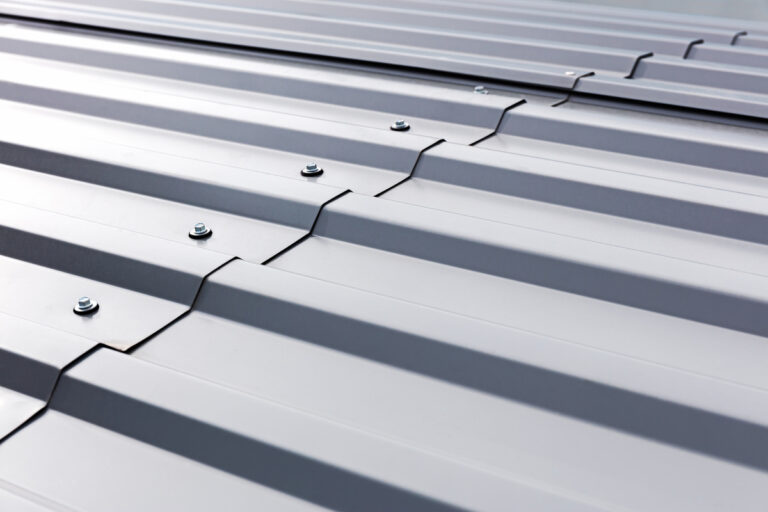
It’s imperative to have accurate fastener placement for several reasons. First, it’s designed to ensure water runs off the roof. Secondly, structural loads are properly distributed.
How to avoid this: Follow the panel manufacturer’s installation pattern. Screws should be perpendicular to the panel and placed at the crest of the rib or flat for exposed fastener systems, avoiding the low areas.
4. Skipping Pre-Drilling Panels
Another significant metal roof fastener mistake is to skip pre-drilling your panels. When you pre-drill a panel, you’re ensuring that the screw will go in evenly. This process is extremely important when you’re working with thicker gauge materials. Skipping this step risks thread damage, uneven seating, and metal distortion around the fastener. You can also improve the appearance of the roof by pre-drilling because it creates a cleaner, more uniform hole for the fastener.
How to avoid it: Use a drill bit that is slightly larger than the screw shank but smaller than the threads. Always pre-drill holes in alignment with the panel ribs to ensure a perfect fit and seal.
5. Incorrect Length
Fasteners that are too short or too long can be a big problem with a metal roofing project. They directly impact the strength and durability of your roof system. If they are too long, they can protrude excessively, potentially causing an obstruction or a hazard. Fasteners that are too short won’t fully engage the underlying structure, compromising the roof’s ability to withstand wind and other forces.
How to avoid it: Measure the total thickness of the materials being fastened and purlin and then choose a fastener length that allows for at least one inch of embedment into the structural member.
Shop With Supply Maverick To Get High Quality Metal Roofing Supplies
These tips above matter, but you also need to get the right supplies to even get started. At Supply Maverick, we have high-quality fasteners and metal roofing screws that allow you to complete your project with confidence. Get started today to secure your roof for decades to come.