What’s the Difference Between Vented and Non-Vented Ridge Closures
There are a lot of important decisions to make when it comes to roofing projects. Whether you’re planning a new build or updating an existing property, understanding the difference between vented and non‑vented ridge closures matters. These often‑overlooked components play a key role in protecting your roof and managing airflow and moisture in the attic. Let’s break down the differences, how they work, and when each type is the right choice.
What Is a Ridge Closure?
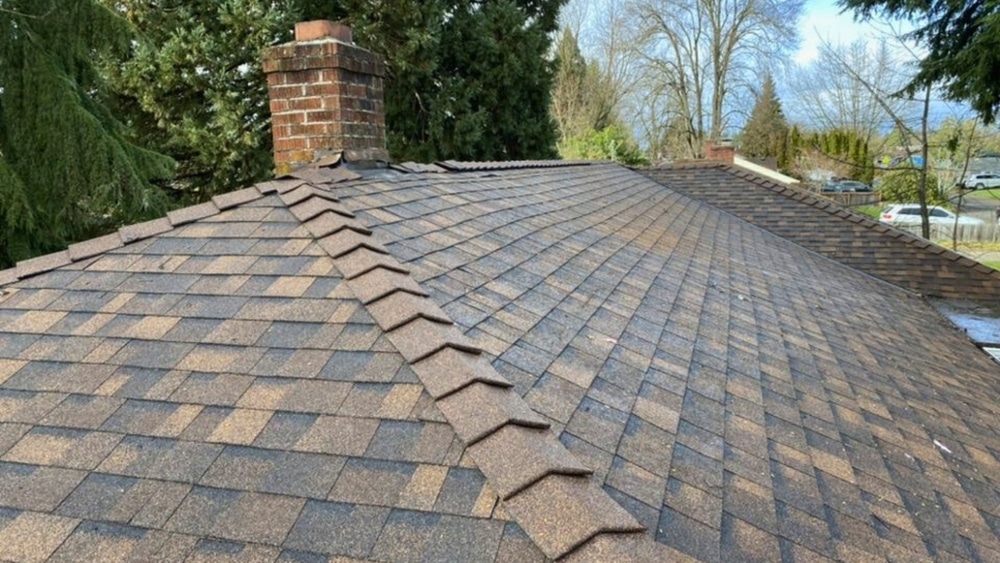
At the highest point of a sloped roof, where two roof planes meet, you’ll find the roof ridge. The ridge cap is what covers that peak. It’s a strip of material that keeps critters, water, and unwanted debris out of your attic. The ridge closure is an essential piece of this system. It is installed directly beneath the ridge cap to seal the gap where the roofing material ends.
Roofers install ridge closures to seal the seam between panels or shingles. This is important to either allow airflow or to create a complete seal. The choice between a vented and non-vented system is determined by the overall ventilation strategy for the structure.
Vented Vs. Non-Vented Ridge Closure: Definitions and Examples
Vented Ridge Closures
Vented ridge closures are designed to allow air to flow out of the attic space. In a properly ventilated roof system, warm, moist air from inside the attic can exit through these ventilated spaces, while fresh air enters lower down through soffit or eave vents. Continuous airflow is imperative to regulate temperatures and reduce moisture buildup.
The overall state of roof health can be determined by proper ventilation. This process helps prevent the formation of ice dams in colder climates and reduces heat buildup in warmer regions, ultimately extending the life of the roof and the structure.
Non-Vented Ridge Closures
Non-vented ridge closures’ primary goal is to create a complete seal, completely blocking the exchange of air, moisture, and pests at the ridge. Non‑vented closures are often used when the overall roof design has no ridge ventilation, or in scenarios where ventilation is intentionally handled through alternative roof vents.
Common materials used for ridge closures include foam, plastic, or metal, often designed to match the roofing material. The deciding factor between vented vs non-vented ridge closures is the overall ventilation strategy for the entire roof system.
How They Compare: Airflow and Moisture Management
Airflow is one of the biggest differences between vented vs. non-vented ridge closures. Vented ridge closures have a defined exit point for air to escape. When you combine them with lower intake vents (for example, soffit vents) it creates a cycle that consistently cycles air through the attic. You can see the benefit of warm, humid air out and pulling in cooler air.
Conversely, non-vented ridge closures don’t support airflow. They are part of a sealed ridge system. There’s no intentional exit for attic air through the peak. This design may be fine if your ventilation strategy relies on other vent types like gable vents or powered vents, but it won’t actively facilitate ridge airflow.
Moisture Management
Controlling moisture is a big concern for many homeowners across the country, especially if you live in humid environments. This is a major reason why property owners prefer ventilated systems. When warm, humid air stays trapped in the attic, condensation can form on roof sheathing, insulation, and framing. Excess condensation results in rotting wood or even mold formation that can reduce the effectiveness of your insulation.
A vented ridge closure helps combat this by allowing humid air to escape. Non‑vented closures do not provide an airflow path. Moisture must be managed through other strategies or vents.
Vented Vs. Non-Vented Ridge Closures: Real-World Applications
Use vented ridge closures if:
- The roof system includes soffit vents or other intake vents that can work with ridge exhaust to form balanced ventilation.
- You live in an area with high humidity where attic ventilation is a big concern.
- You want to maximize the lifespan of your roof shingles and overall structure.
Use non-vented ridge closures if:
- Your roof design doesn’t include ventilation at the ridge, or other venting strategies are already in place.
- You’re sealing off a portion of the ridge for a specific structural or architectural reason.
In these scenarios, a non‑vented closure acts as a solid, protective seal against weather and pests.
Cost And Installation Comparison
Vented ridge closures are typically more complex to install, required ridge caps and precision with careful alignment to allow proper airflow. Materials for vented systems can be more expensive, but they focus solely on creating a weatherproof seal.
Vented Vs. Non-Vented Ridge Closures: Quick Summary
| Feature | Vented Closure | Non-Vented Closure |
|---|---|---|
| Primary Goal | Attic exhaust & moisture control | Total weather & air seal |
| Best Use | Attic ventilation systems | Sealed roofs or alternate roofing |
| Applications | Residential roofs with attics | Barns and garages |
| Installation | Moderate | Simple |
Shop All Your Roofing Materials At The Supply Maverick
If you’re looking to explore the benefits of a vented roof closure, don’t hesitate to browse Supply Maverick’s online store. They can help improve attic airflow, reduce moisture buildup, and extend the life of your roof.