When to Replace Metal Roof Screws: Signs, Lifespan and Upgrade Options
Key Takeaways
- On standard screw-down roofs, expect to replace fasteners every 10 to 15 years. Past 20 years, most are on borrowed time, and very few make it to 30.
- Metal panels often last 40 to 70 years, but fasteners wear out sooner due to ultraviolet (UV) exposure, temperature fluctuations, and ongoing movement.
- Thermal movement adds up: a 100 ft roof can shift about 0.325” with a 50°F temperature change, gradually enlarging holes and loosening screws.
- Follow the Size Up rule and don’t reinstall the same size. Step up to #12 or #14 (for example, replace a #14 Type A with a #17 Type AB) so threads bite into fresh wood.
- Ethylene propylene diene monomer (EPDM) sealing washers outperform neoprene in UV and ozone resistance and handle temperatures from -60°F to 350°F, which supports long-term sealing.
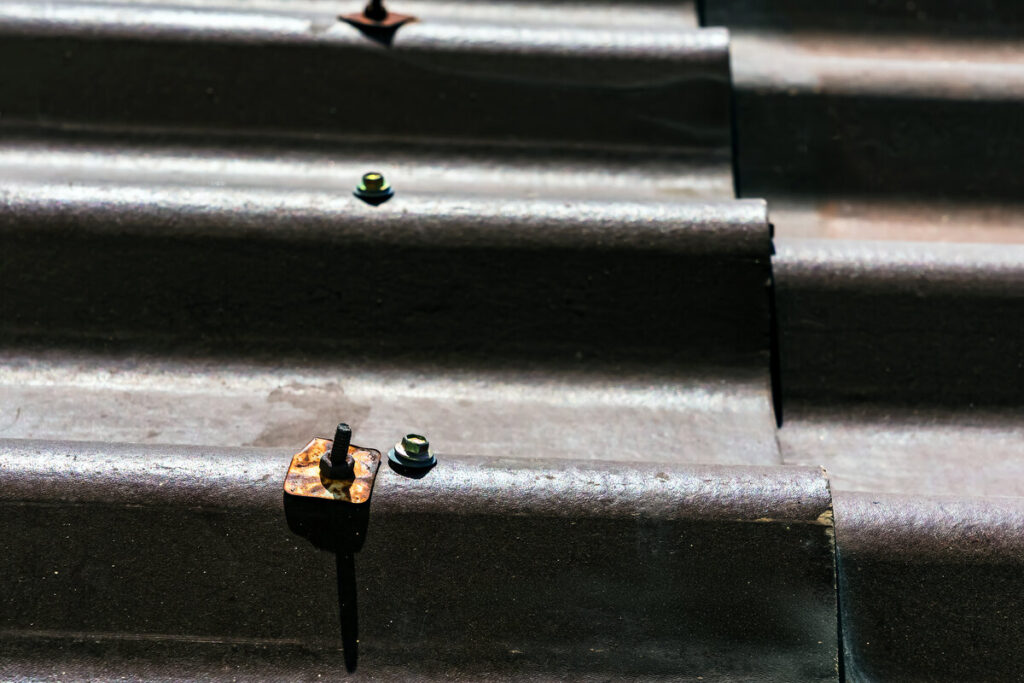
- It’s time to replace when you see backed-out screws, cracked or missing washers, rust trails, elongated holes, or active leaks.
- Supply Maverick offers budget-friendly wholesale pricing with bulk-quantity discounts available. Most orders placed before 12 p.m. EST ship the same day, and we ship to the US, Canada, Australia, and New Zealand.
Understanding the Lifespan of Metal Roof Screws
Metal roofing panels can go the distance — often 40 to 70 years — while their screws tend to run a shorter race. For typical screw-down systems, plan on swapping fasteners every 10 to 15 years. After 20 years, many are near the end of service life, and by 30, only a handful are still doing their job. UV, heat and cold cycles, and routine building movement break down washers and loosen the threads’ grip over time. Replacing aging fasteners before they fail protects the panels and the structure beneath.
Common Causes of Metal Roof Fastener Failure
Metal roof screws don’t fail at random; there are specific, predictable reasons fasteners fail. Understanding these causes helps you prevent problems before they start and know exactly what to look for during inspections.
Thermal Expansion and Contraction
As temperatures rise and fall, metal expands and contracts. A 100-foot panel field can move roughly 0.325” with just a 50°F swing. Multiply that by thousands of daily and seasonal cycles, and screw holes can become oval, threads can lose holding power in the substrate, and washers can be stressed. Once a hole elongates, even an otherwise good screw won’t seat flat or seal reliably, leading to leaks.
Improper Installation Techniques
Installation mistakes shorten fastener life. Over-tightening crushes the washer and weakens the seal; under-tightening leaves a gap. Driving at an angle prevents the washer from sitting flat. Using the wrong point or thread type for the substrate (or drilling an undersized pilot hole) can reduce pull-out strength and lead to early failure. That’s why using a proper screw gun with an adjustable clutch, not an impact driver, makes all the difference.
Environmental Degradation and Corrosion
UV and ozone slowly degrade washers. Neoprene is especially vulnerable, whereas EPDM performs far better and remains flexible from -60°F to 350°F. In coastal, agricultural, or industrial areas, airborne salts, fertilizers, and pollutants accelerate corrosion at the head and along the threads. The result can be staining, weakened fasteners, and leaks even when the panel is still sound.
5 Signs Your Metal Roof Screws Need Replacement
Don’t wait for a leak to discover fastener problems. Here’s what to look for during routine inspections to catch issues early.
1. Backed-Out or Loose Fasteners
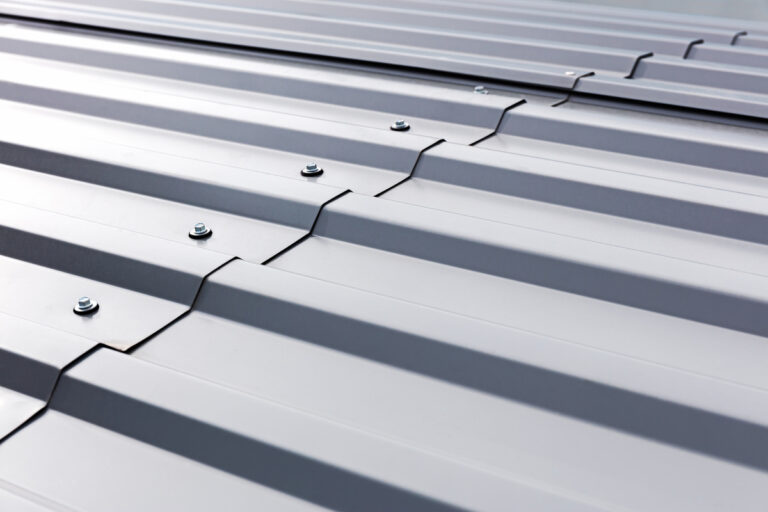
Screws sitting proud of the panel or spinning without tightening usually signal stripped substrate threads or an enlarged hole. Loose fasteners can’t maintain a watertight seal, and thermal cycling or windy days will only make the problem worse.
2. Degraded or Missing Rubber Washers
Cracked, flattened, chalky, brittle, or missing washers are an open invitation for water. If you see mushroomed washers from over-torque, it’s time to upgrade to EPDM-washered replacements and reset the seal.
3. Rust and Corrosion Around the Fastener Head
Red rust streaks, pitting, or visible coating loss at the head point to corrosion. As the head or shank deteriorates, the fastener’s structural integrity drops, and leaks follow — even if the panel remains in good shape.
4. Elongated Screw Holes
Oval or slotted holes indicate repeated thermal movement. Reinstalling the same size won’t restore holding power; stepping up to a larger diameter or a sharper point and thread profile is the path to fresh bite and proper sealing pressure.
5. Active Roof Leaks
Drips during rain, especially near seams, penetrations, or eaves, often trace back to failed fasteners. If the panels are still in good condition, targeted metal roof screw replacement can stop the leak without replacing the roof.
The Golden Rule of Replacement: Always Size Up
Once an old screw comes out, avoid replacing it with the same diameter. Holes are often slightly enlarged, and wood fibers can be fatigued, so a larger diameter or a more aggressive point and thread restores holding strength. Most re-fastening jobs benefit from moving to #12 or #14. Where holes are badly worn, moving from a #14 Type A to a #17 Type AB is a proven fix for grabbing fresh wood and re-establishing a tight, reliable seal.
Here’s how to approach the process:
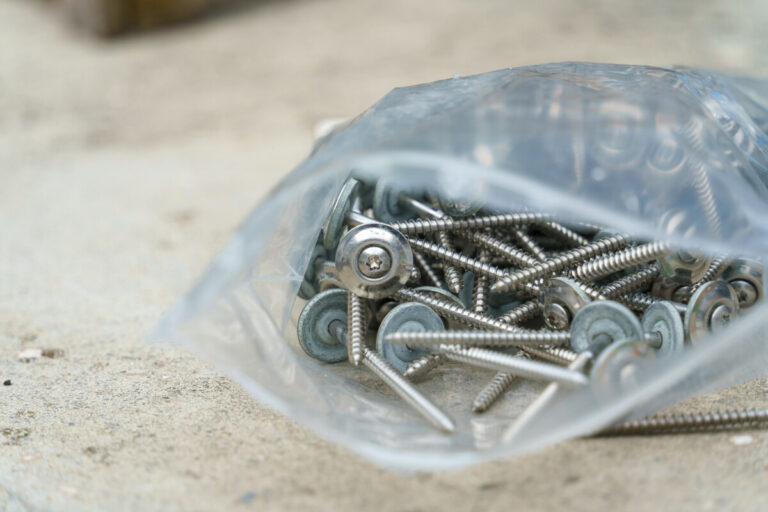
- Identify the existing hardware: screw diameter (#9, #10, #12, #14), point and thread type (Type A, AB, 17), length, and washer style.
- Inspect the hole and substrate. If the hole is enlarged or the threads feel soft, plan to size up in diameter and/or choose a more aggressive point and thread.
- Select the upgrade: #10 to #12, #12 to #14, or #14 Type A to #17 Type AB when you need stronger engagement in wood.
- Match the seal: choose EPDM-washered screws for long-term UV and ozone resistance across wide temperature ranges.
- Confirm length so threads fully engage the substrate. Aim for at least 1” of bite in wood, or follow your panel and substrate specifications.
Upgrade Options for Metal Roof Screws
When you’re replacing fasteners, this is your chance to upgrade to premium options that offer superior longevity and performance. It’s a smart investment that pays off in fewer callbacks and longer roof life.
Upgrading to EPDM Sealing Washers
EPDM sealing washers are the dependable option for durable, watertight fastenings. They resist UV and ozone far better than neoprene and stay flexible from -60°F to 350°F, which helps prevent cracking, flattening, and melt issues under typical rooftop conditions. A go-to re-fastening option is our #14 FastGrip Replacement Metal Roofing/Siding EPDM Washered Screws, engineered to grab aged substrates, re-seal around slightly enlarged holes, and reduce future maintenance.
Zinc Alloy Capped and Stainless Steel Fasteners
If corrosion keeps you up at night, upgrade materials at the head and shank. Zinc-alloy-capped heads protect the drive area (the first place coatings wear), so you avoid premature rust streaks. For coastal or high-exposure sites, stainless steel fasteners or heavy-duty-coated carbon steel fasteners provide stronger long-term corrosion resistance, especially when paired with EPDM washers.
Specialized Replacement Screws
Match the fastener to the task. Stitch screws are ideal for metal-to-metal side laps where you’re not targeting framing. Type 17 or AB wood screws excel when holes are worn and you need a sharper point with a more aggressive thread to engage fresh wood. For light-gauge steel framing, self-drilling points are selected for purlin thickness, installation speed, and pull-out strength. These are exactly the kinds of hard-to-find, specialized components that set Supply Maverick apart from the big-box alternatives.
Maintenance Tips to Extend Fastener Lifespan
Taking care of your metal roof system now prevents costly problems down the road. Here’s how to maximize the life of your fastening system.
Regular Inspections and Cleaning
Routine checks keep small issues from turning into big leaks. Inspect at least twice a year (spring and fall) and after severe weather. Look for loose or missing fasteners, cracked washers, and rust trails. Clear debris so moisture doesn’t sit around screws and seams. Even experienced contractors benefit from a professional inspection every two to three years.
- From the ground, scan for lifted panels, missing fasteners, or rust staining below seams and penetrations.
- From a safe position, confirm screw heads sit square and washers are evenly compressed; not crushed, split, or angled.
- Remove leaves and debris so water drains freely and washers can dry between storms.
- After hail, high winds, or big temperature swings, re-check known trouble spots and replace suspect fasteners promptly.
Prompt Replacement of Failing Components
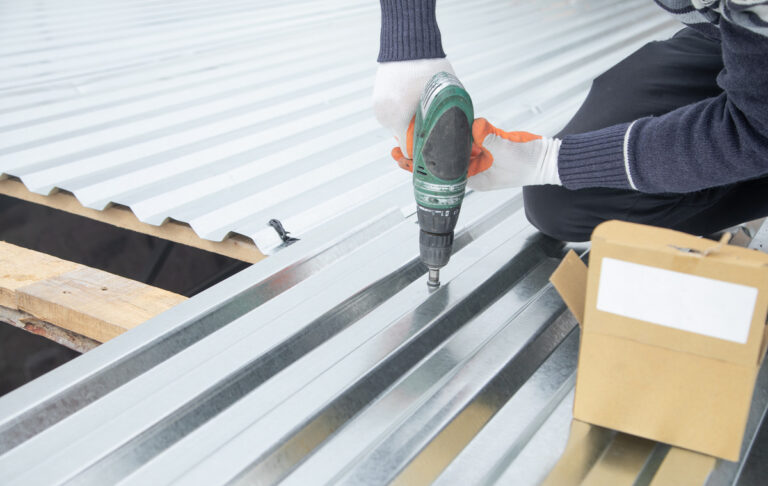
Don’t wait for a ceiling stain. Replace cracked washers, corroded screws, or loose fasteners as soon as they show up. Drive screws perpendicular to the panel, and tighten only until the washer compresses without bulging. Over-tightening crushes the seal; under-tightening leaves a leak path.
Find the Right Replacement Screws at Supply Maverick
Whether you’re a seasoned contractor re-fastening a commercial building or a homeowner tackling a weekend repair, we make metal roof screw replacement straightforward. Supply Maverick stocks contractor-grade options like EPDM-washered #12 and #14 upgrades, zinc-alloy-capped heads, stainless-steel selections, stitch screws, and more at budget-friendly wholesale pricing.
Most orders placed before 12 p.m. EST ship the same day, and we deliver across the US, Canada, Australia, and New Zealand with estimated transit times. Backed by Mid-Michigan Metal Sales, we keep the right sizes, coatings, and colors ready so you can match your panels and finish the job on schedule. Net 30 accounts are also available for qualified businesses. Not sure what you need? Tell us your existing screw size, substrate, and environment, and we’ll point you to the best fit for long-lasting performance.
References
- MCA Metal University. “Resources.” Metal Construction Association, 2026, August 2026. https://www.metalconstruction.org/resources