Refine Results
Category
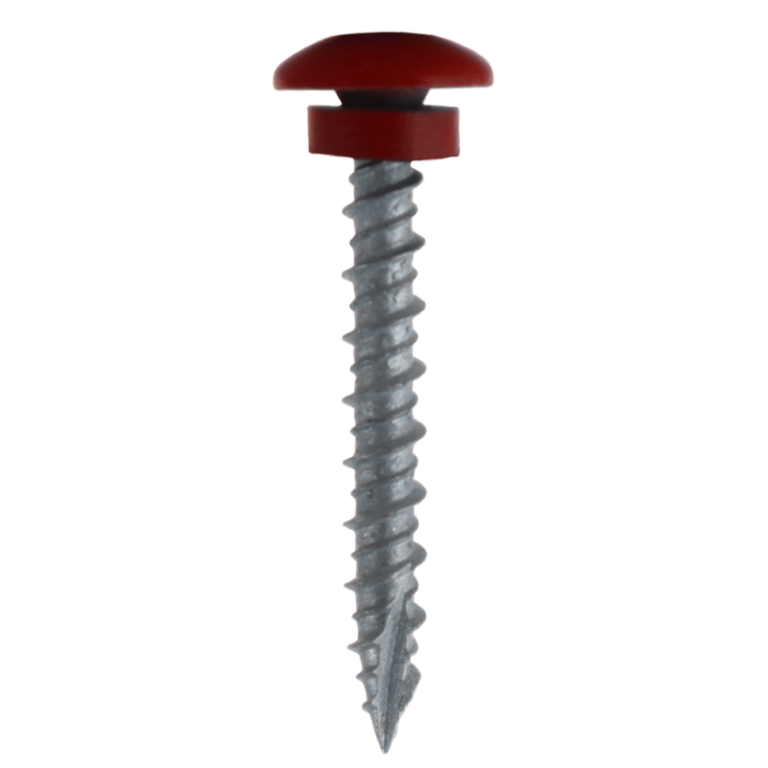
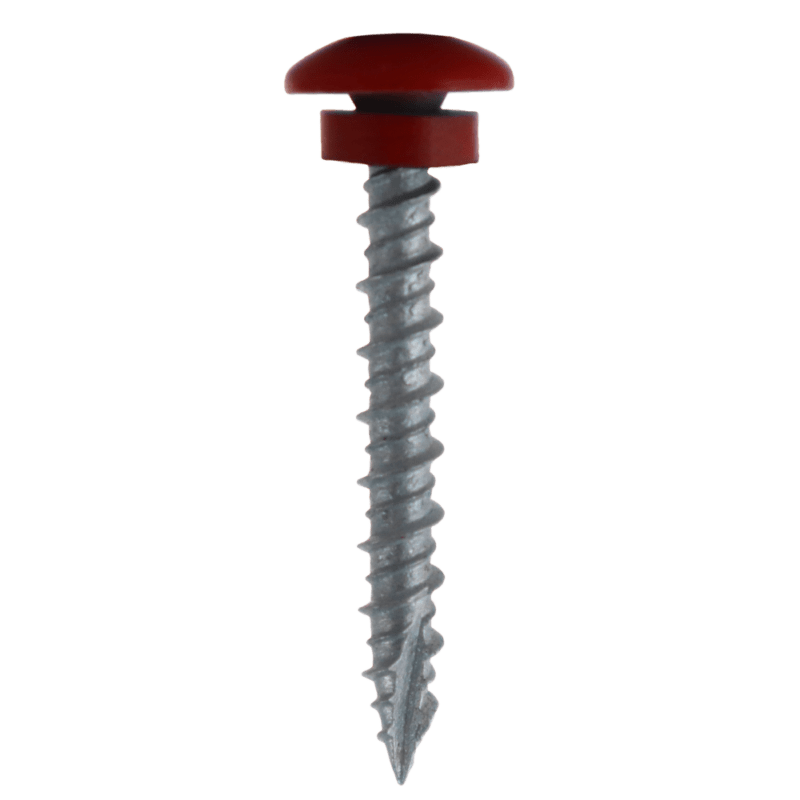
Price range: $19.00 through $32.00 USD
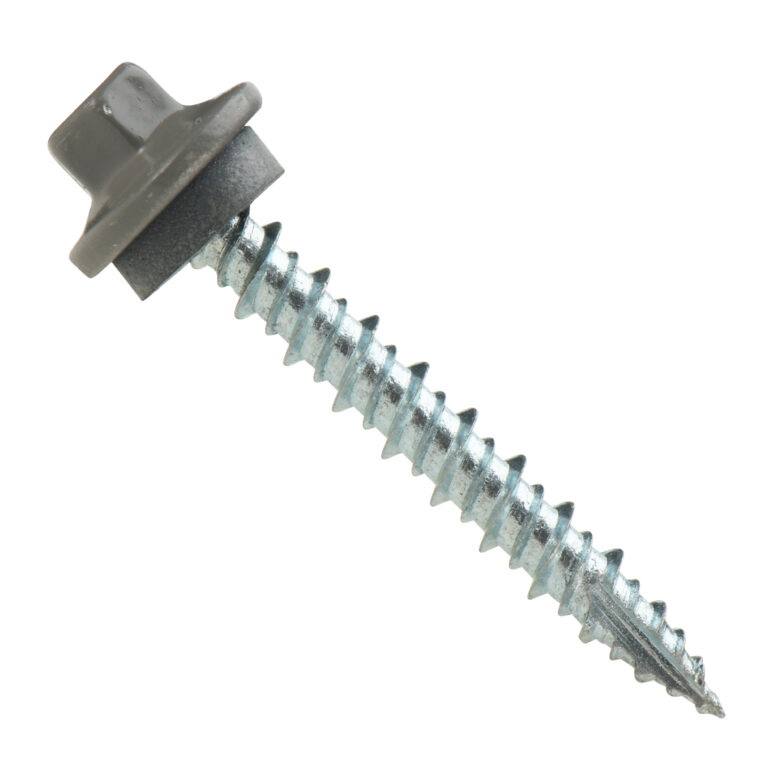
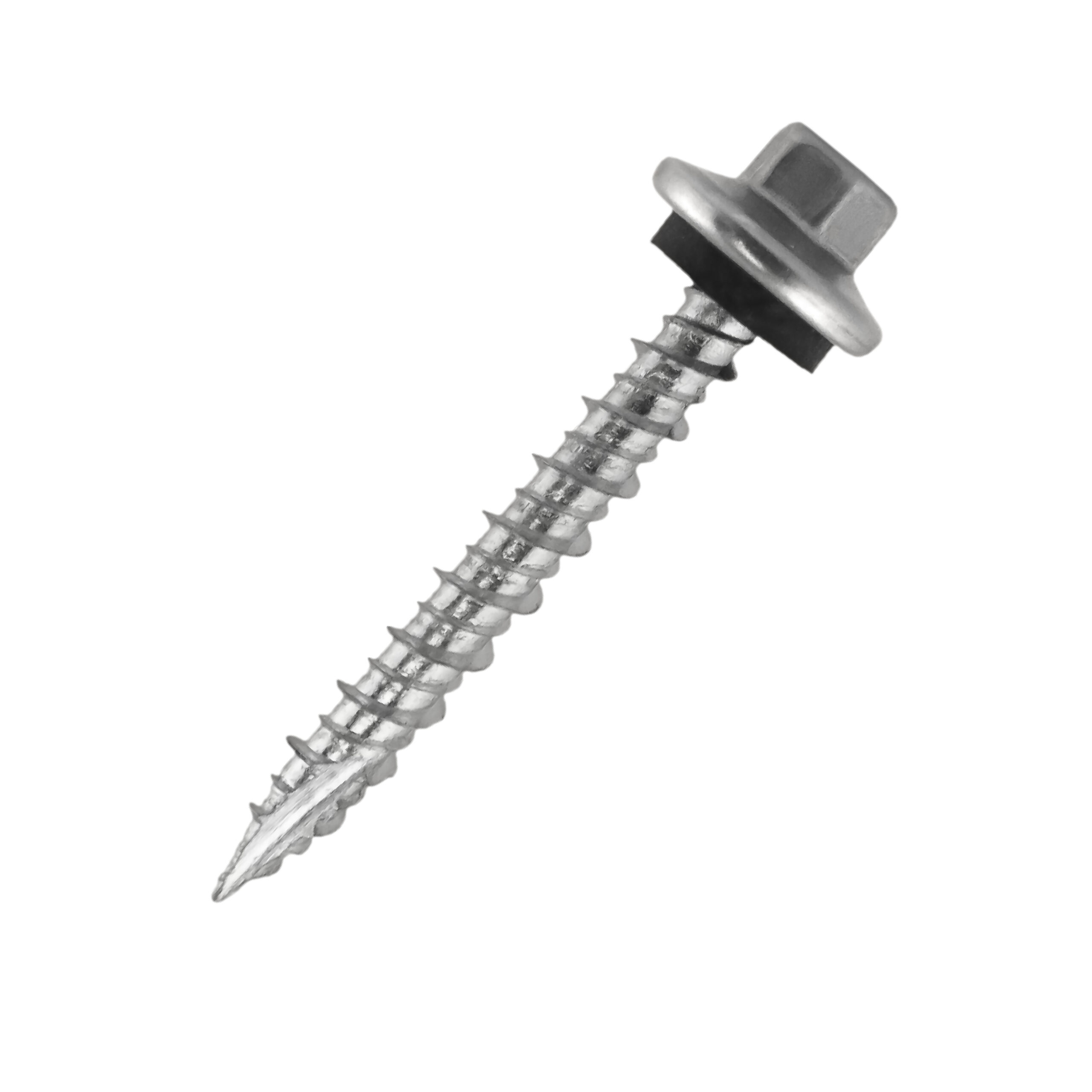
Price range: $33.18 through $55.40 USD
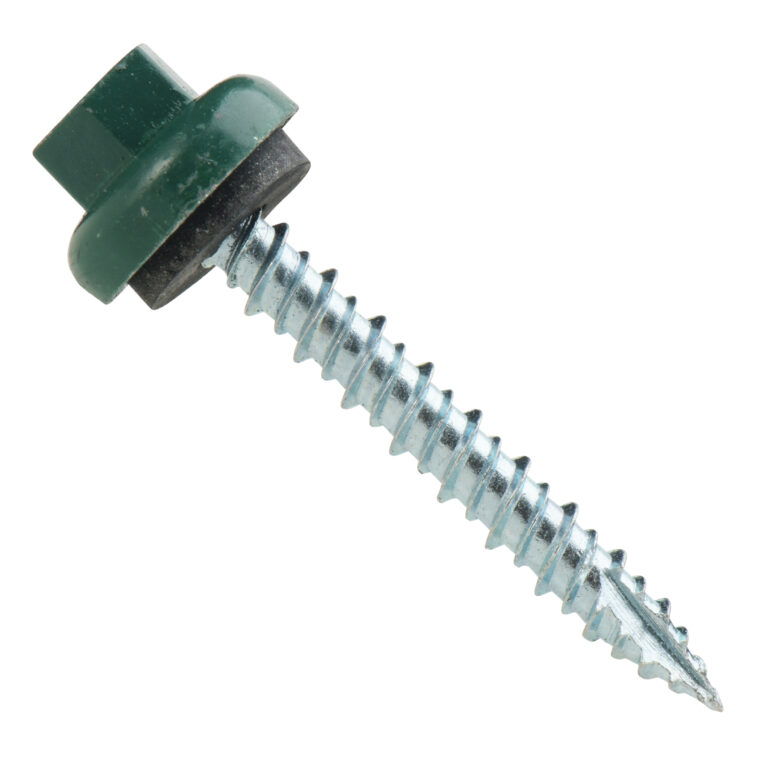
Price range: $53.00 through $75.82 USD
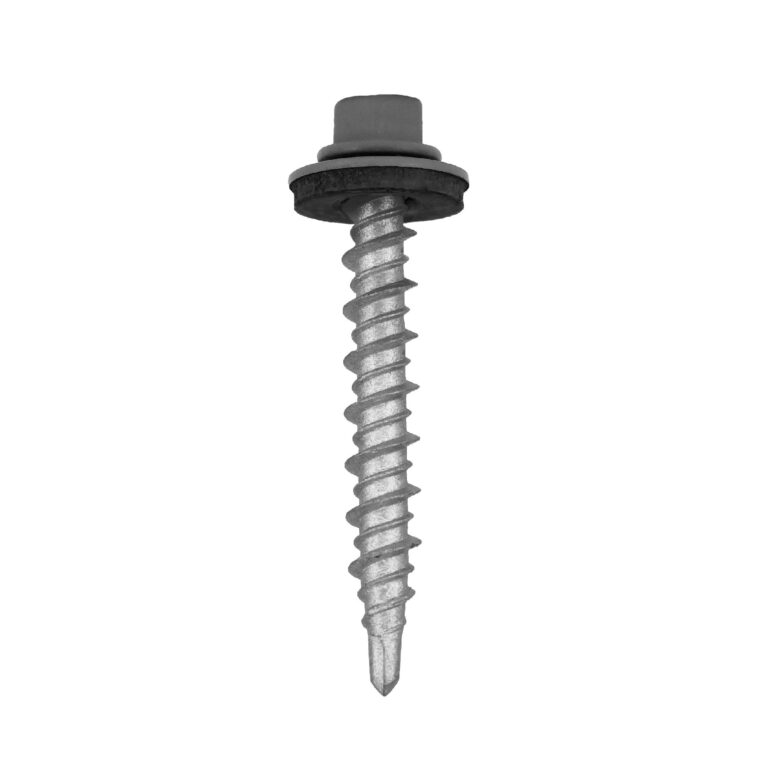
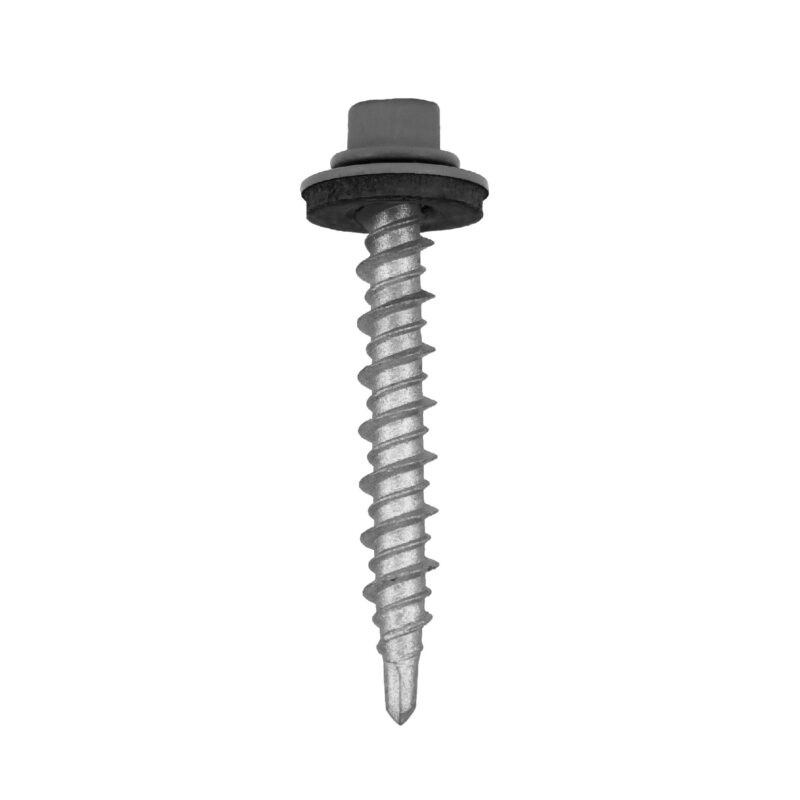
Price range: $17.50 through $21.00 USD
Price range: $24.26 through $55.56 USD
Price range: $47.00 through $67.73 USD
Price range: $62.17 through $89.02 USD
Price range: $35.74 through $57.00 USD
Price range: $110.80 through $157.34 USD
Price range: $21.00 through $44.00 USD
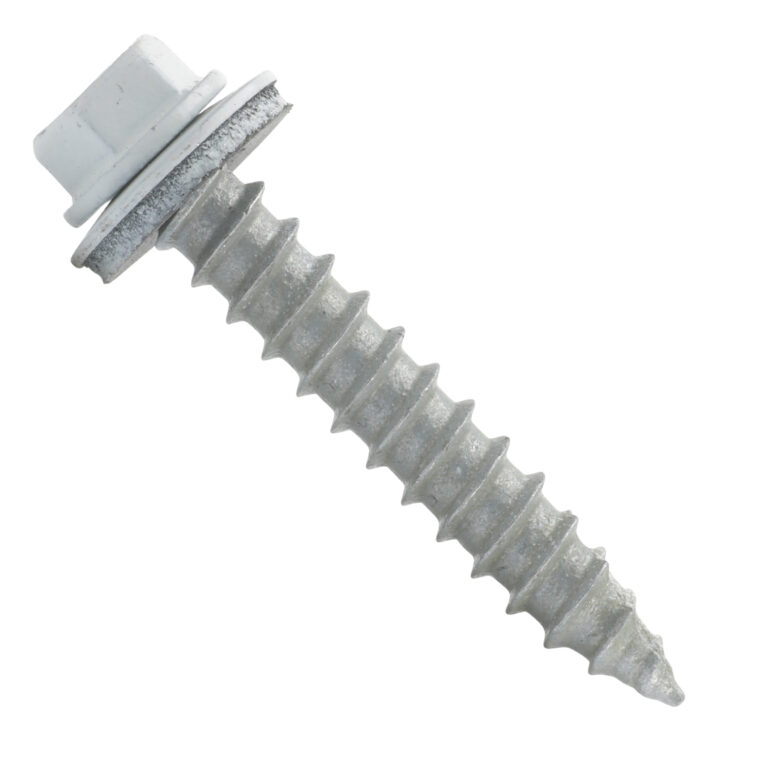
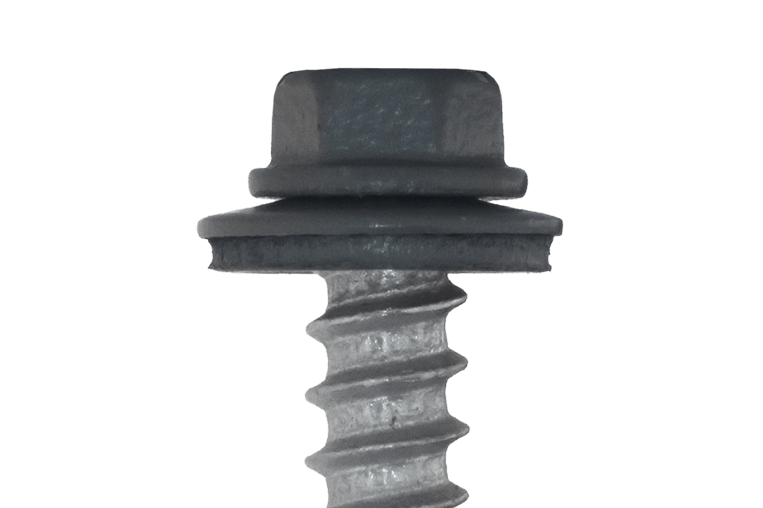
Price range: $26.71 through $54.32 USD
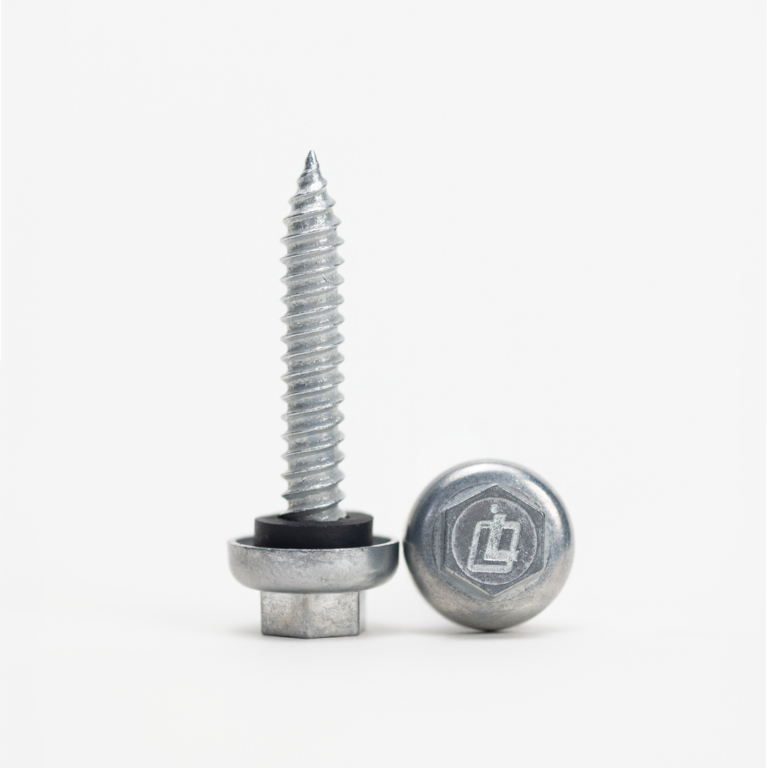
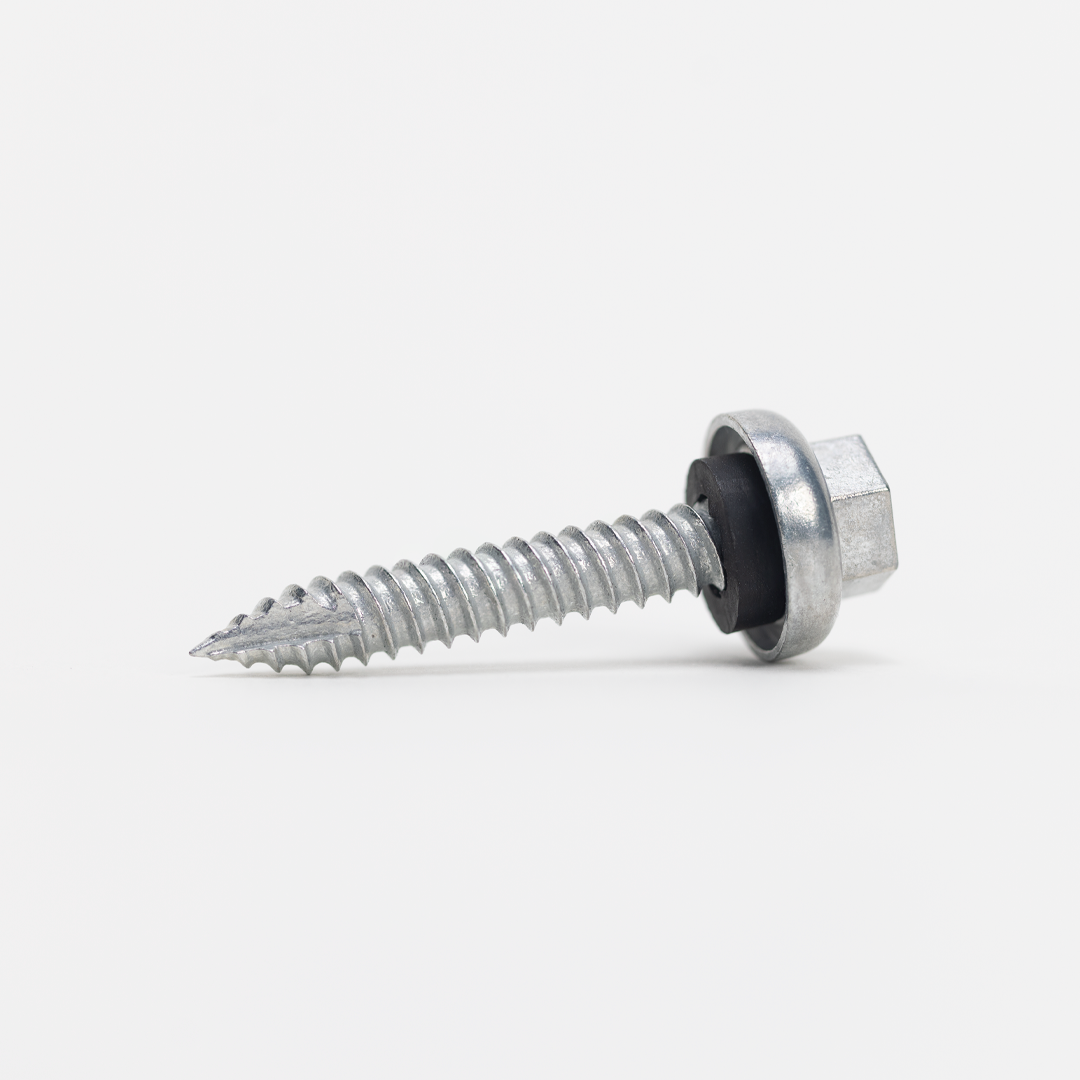
Price range: $114.72 through $130.36 USD
Price range: $58.60 through $64.46 USD
Price range: $44.08 through $104.49 USD
Price range: $17.00 through $39.00 USD
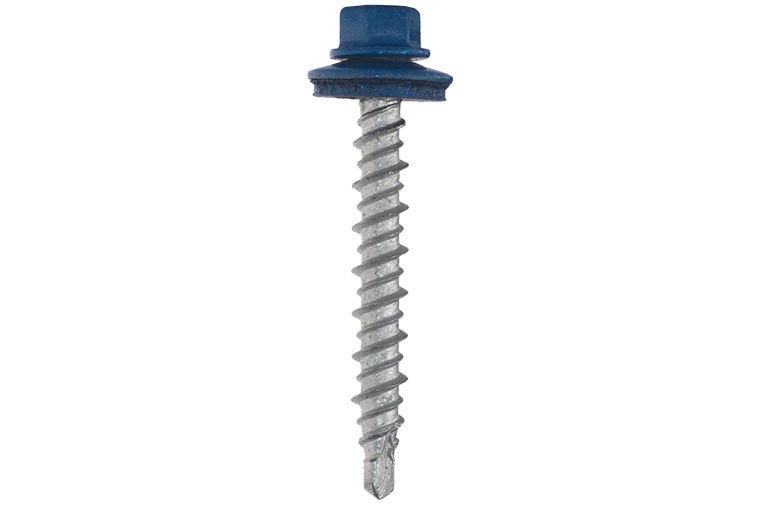
Exposed metal roof fasteners secure metal roofing and siding panels through the face of the panel, so the screw head stays visible after installation. That small detail matters. The fastener has to hold the panel, seal the hole, resist corrosion, and match the material underneath the panel. Supply Maverick carries exposed fastener options for metal-to-metal and metal-to-wood jobs, including self-drilling screws, ethylene propylene diene monomer (EPDM) washer fasteners, stainless steel screws, replacement screws, and bulk bags built for real project work. So, whether you're ordering for a post-frame building, a garage, a repair call, or a weekend roofing project, we can help you narrow down the right fastener before you order.
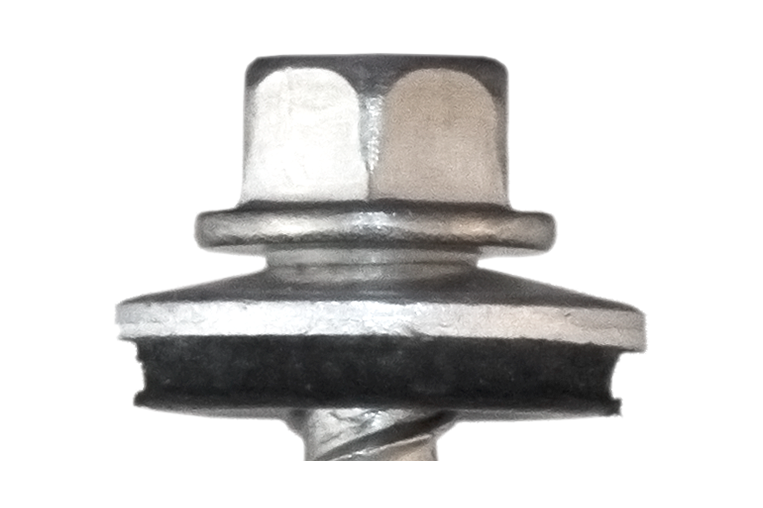
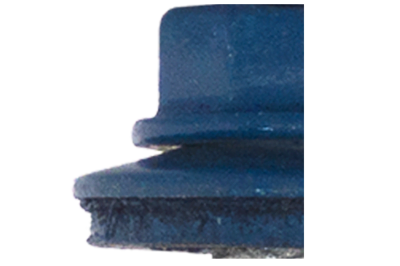
Exposed metal roof fasteners are roofing or siding screws installed through the outside face of a metal panel. Once the panel is secured, the screw head remains visible. In an exposed fastener system, the screw usually passes through the panel and into the framing, decking, purlin, or other approved substrate below. An EPDM washer is secured beneath the screw head, and when the screw is seated correctly, the washer compresses against the panel and helps seal the hole left by the fastener.
This entire system relies heavily on a perfect fit. A washer that's left loose may not seal the hole, while one that's crushed or split can create a path for water. Even the screws themselves matter, as a crooked one leaves a gap that leads to water intrusion. These details may be small, but they are always worth paying attention to; problems with them show up later, and often worsen significantly.
Exposed fastener and concealed fastener metal roofs attach panels differently. The right system depends on the building, the budget, the roof slope, and the level of maintenance the owner is willing to handle over time.
| System type | How it fastens | Best fit | Cost |
| Exposed fastener metal roofing | Screws pass through the face of the panel and remain visible. | Corrugated panels, ribbed panels, agricultural buildings, metal siding, garages, barns, sheds, post-frame buildings, and many residential projects. | Usually more budget-friendly and faster to install, though they require more maintenance over time. |
| Concealed fastener metal roofing | Clips, seams, or hidden fastening points secure the panel without visible screws. | Standing seam roofs, architectural projects, low-slope projects, and jobs where a cleaner appearance is a priority. | Often costs more and may require a more specialized installer. |
Exposed fastener systems are popular because they are simple, familiar, and cost-conscious. The tradeoff is that every screw creates a penetration through the panel. With the right fastener and proper seating, that penetration can be weather-resistant, but it still needs more attention over the life of the roof than a concealed system.
The product grid gets easier to shop once you know which screw family fits the job. Start with the substrate, then look at the washer, point type, head style, and coating.
Metal-to-metal roofing screws are designed to fasten panels to steel purlins, metal framing, or other compatible steel substrates. A self-drilling point cuts into the metal so the screw can create its own path, provided the screw is matched to the steel thickness and the job requirements.
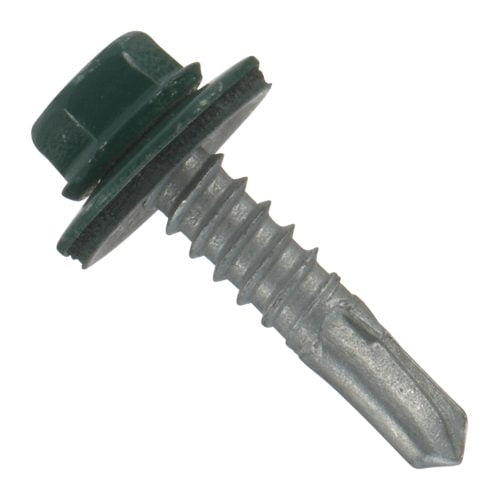
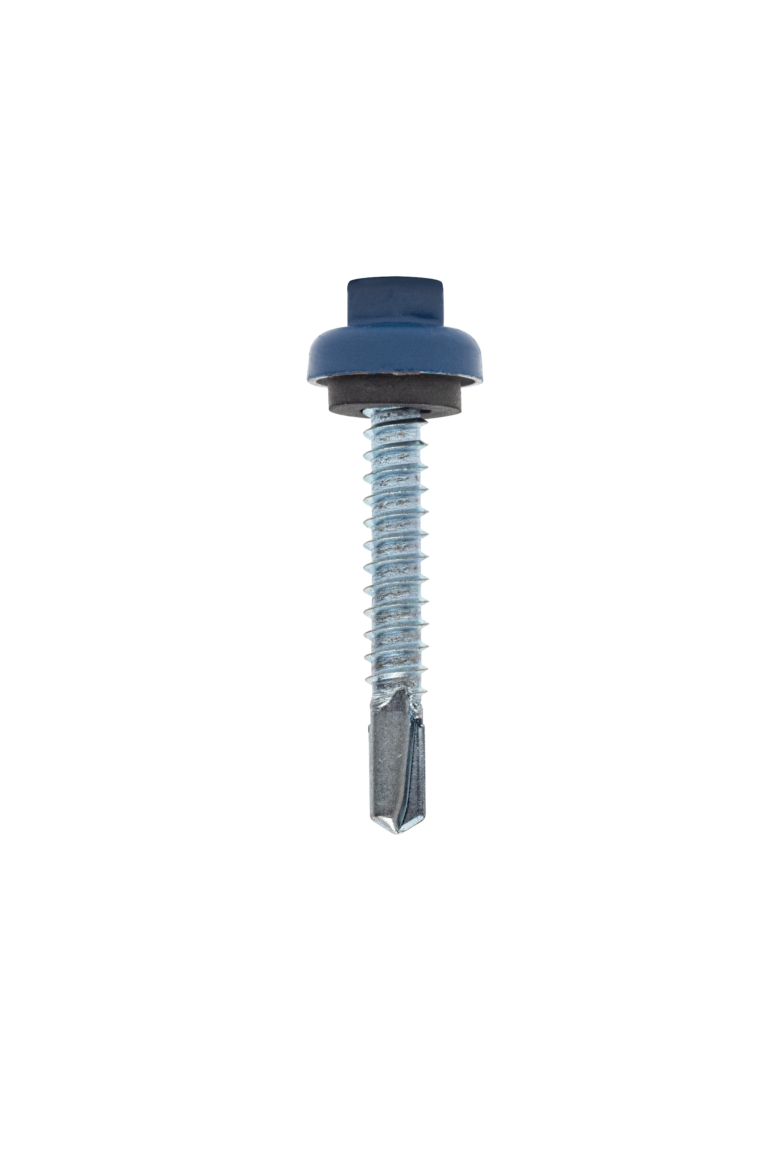
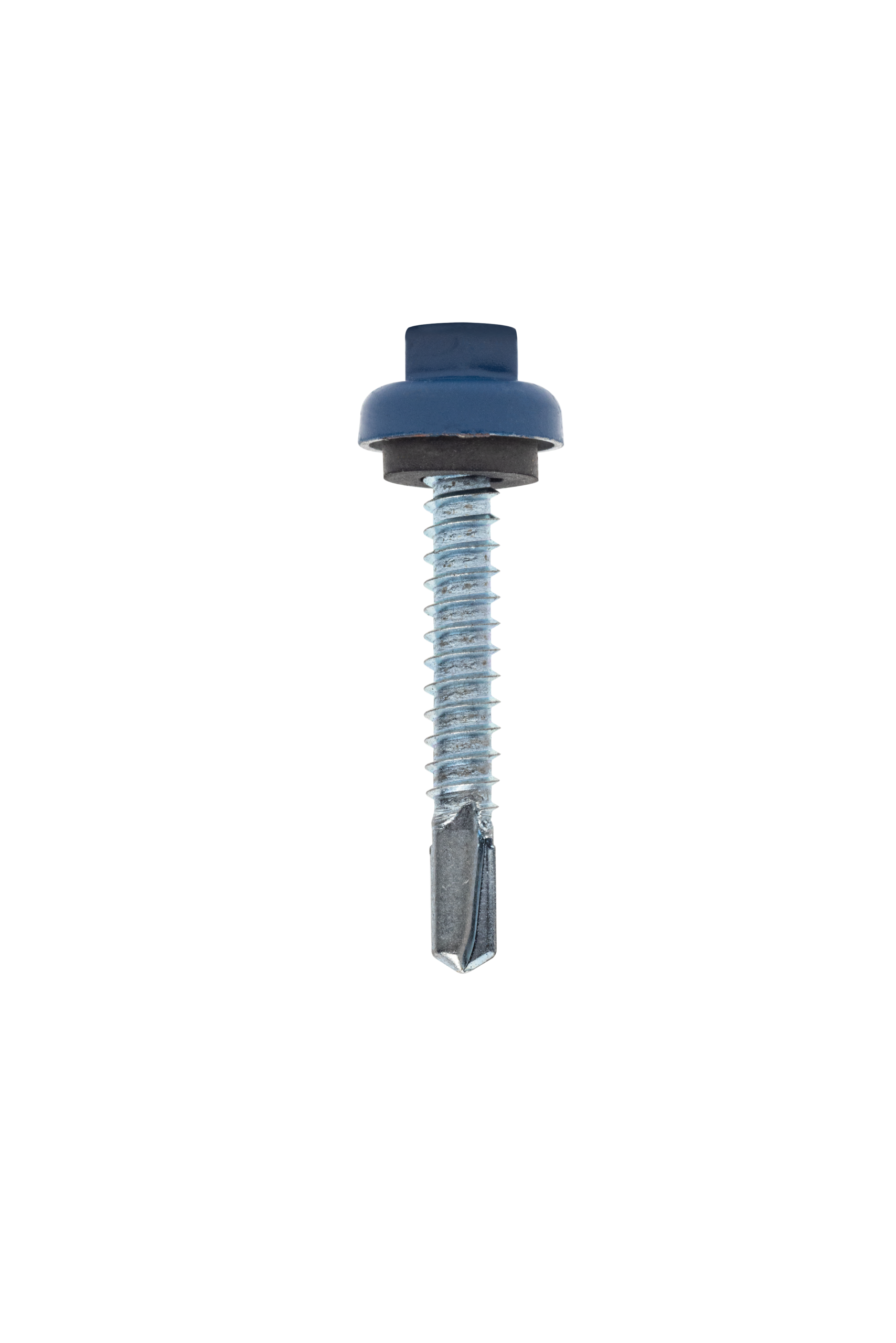
For steel-to-steel work, the #12 MetalGrip T5 Self-Drilling Roofing/Siding Fasteners stand out. This screw features a self-drilling #5 point, a 5/16-inch hex head, a 15 mm galvanized EPDM washer, and a drilling capacity of up to 0.5 inches of steel. It's a strong fit when the panel needs to fasten into steel framing rather than wood.
Metal-to-wood roofing screws are the right choice when panels fasten to wood framing, sidewall framing, oriented strand board, plywood, or similar wood-based substrates. The thread and point need to bite into wood, while the washer handles the exposed seal at the panel face.
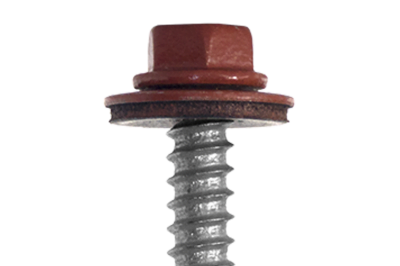
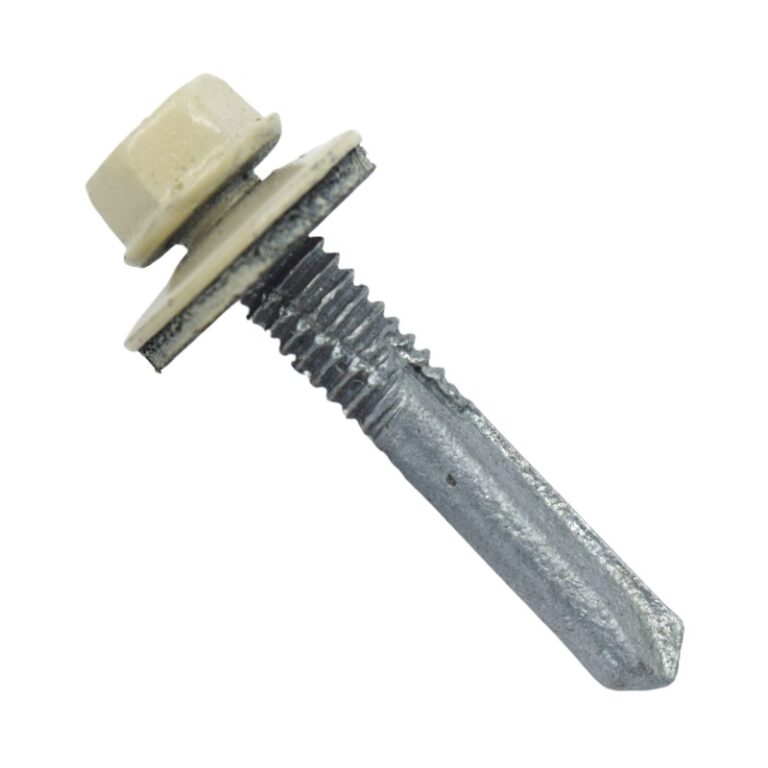
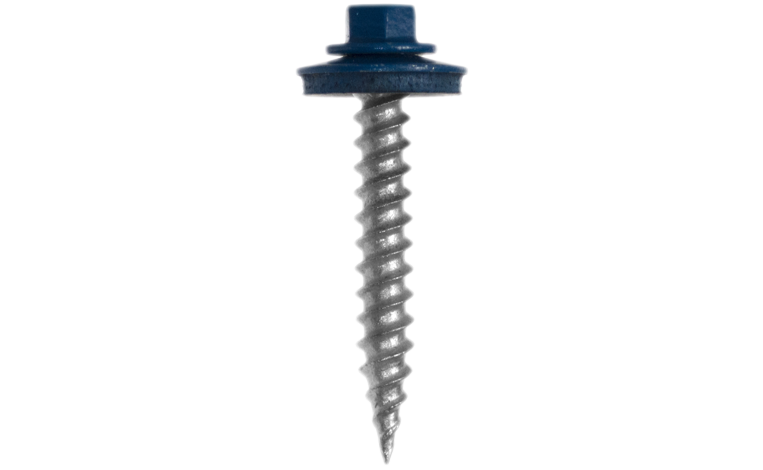
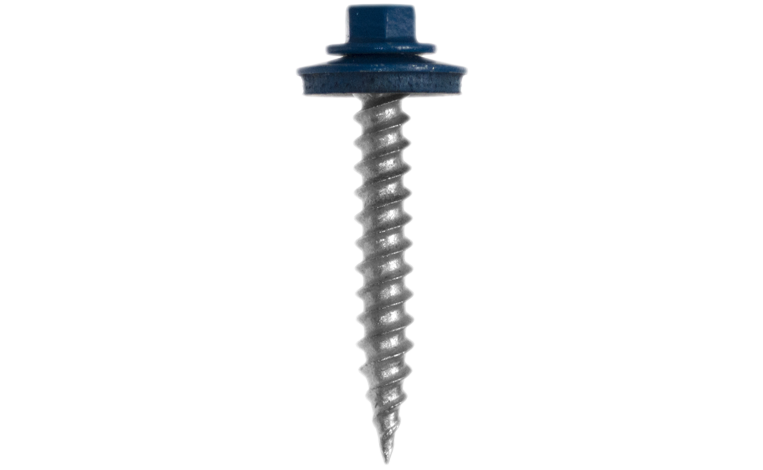
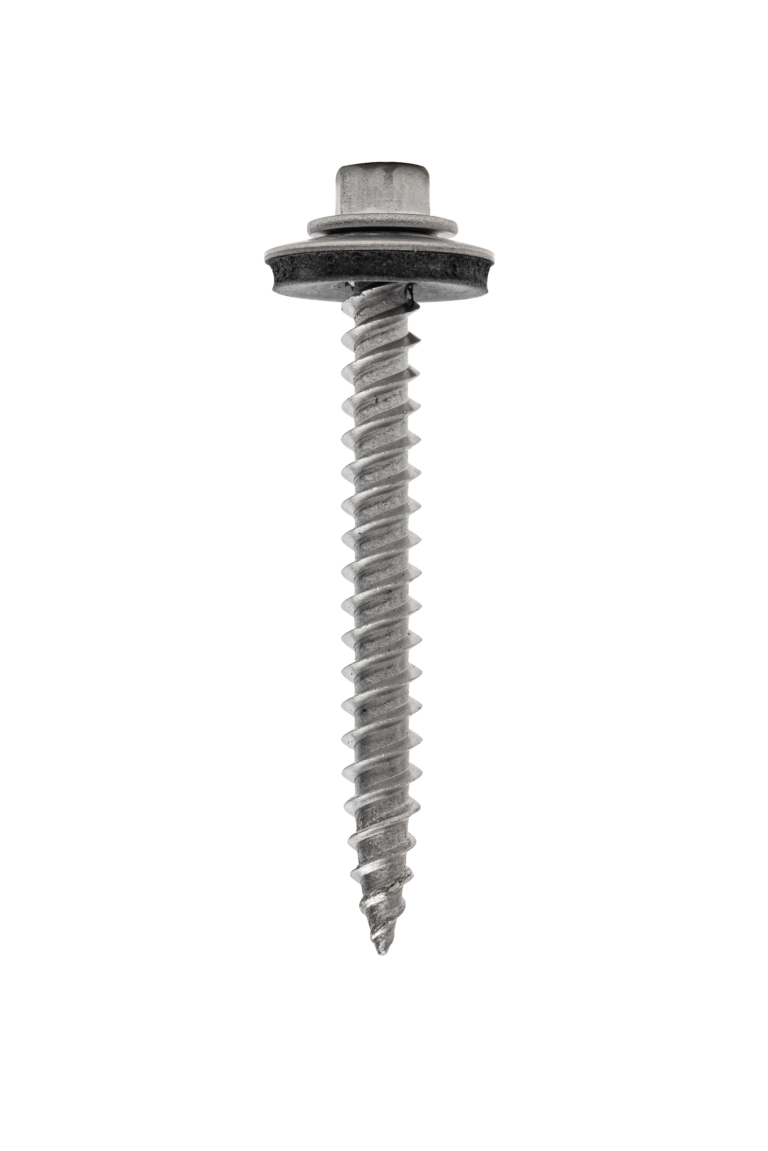
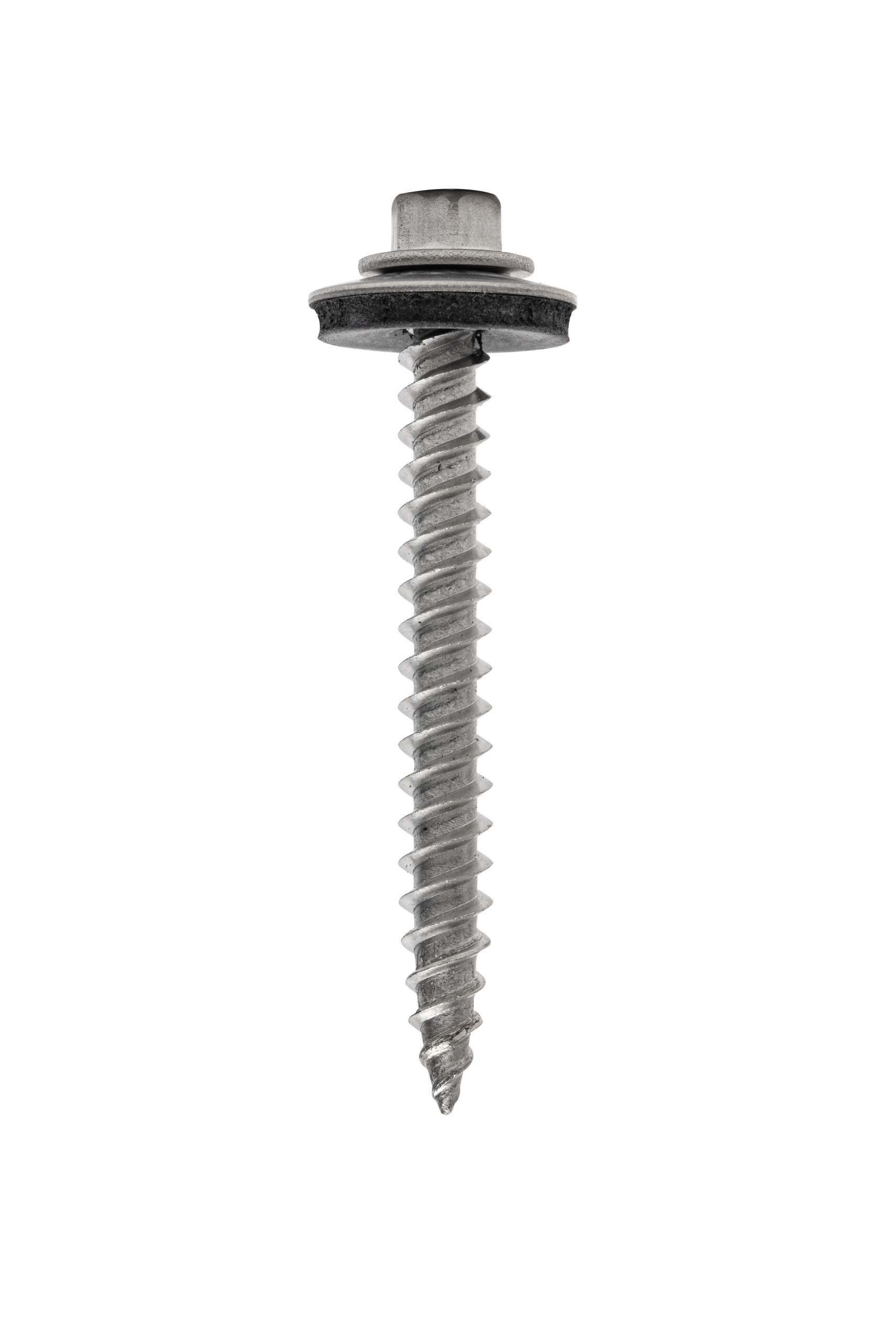
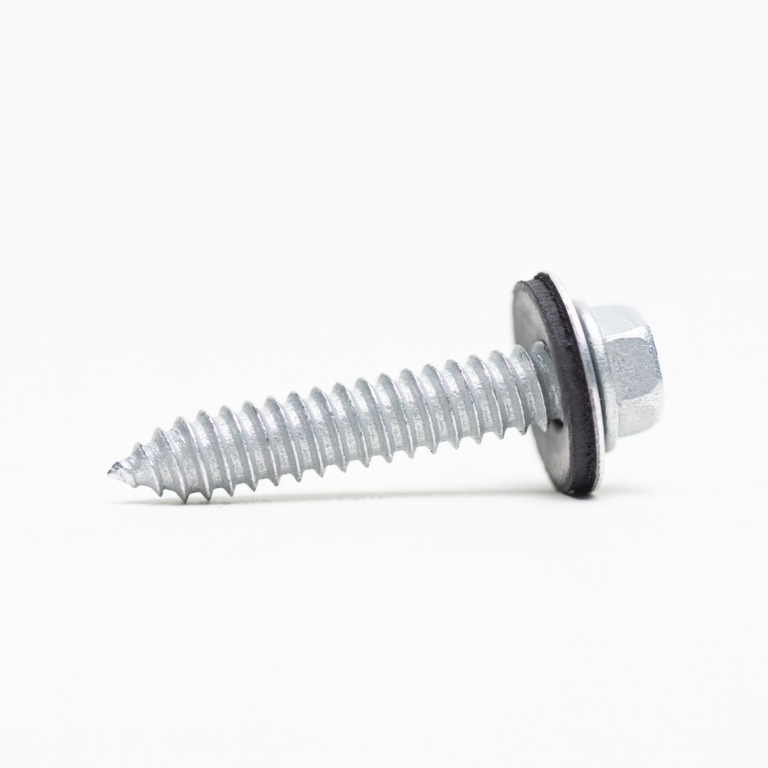
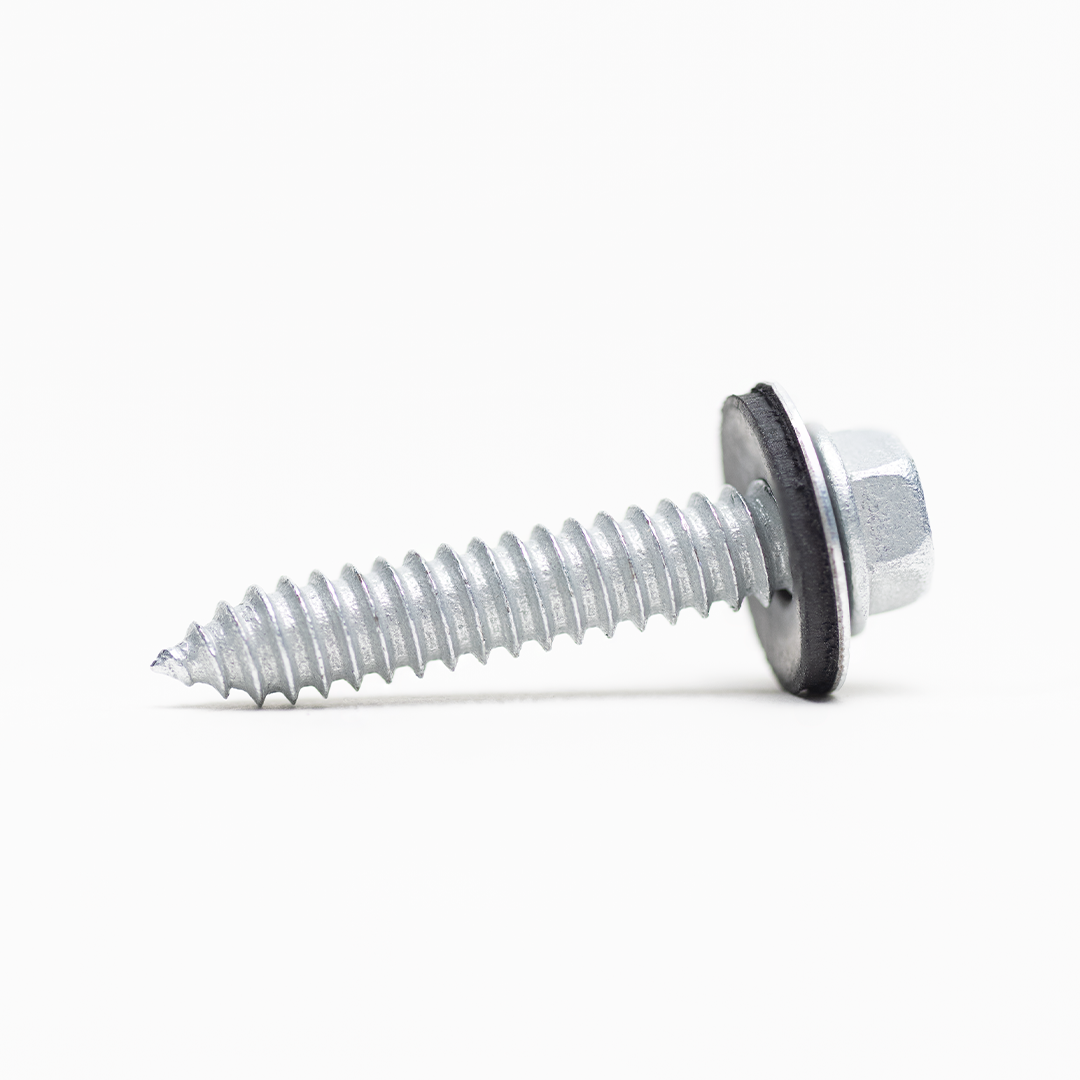
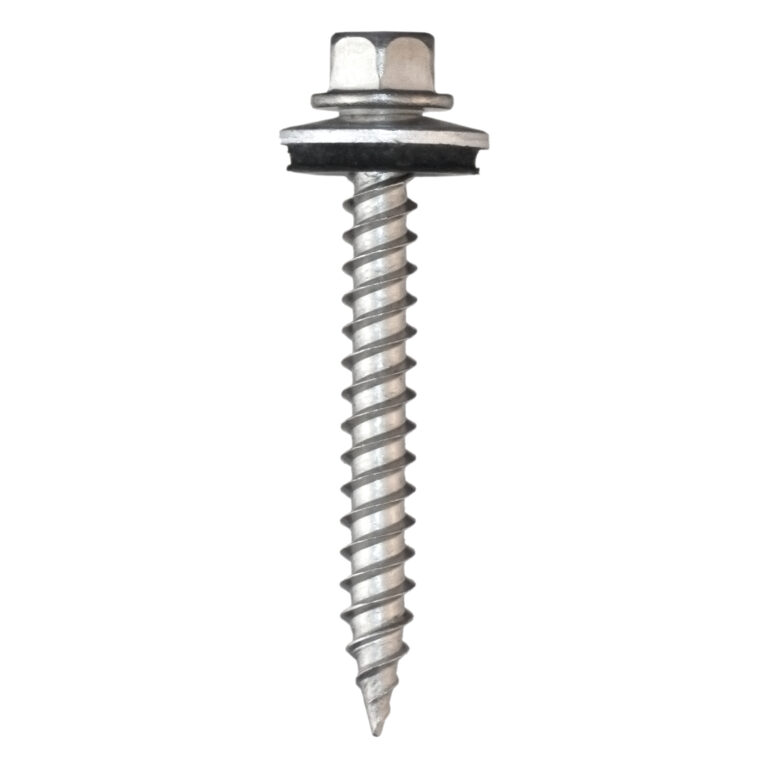
The #11 PG Hi-Lo EPDM Washered Metal Roofing/Siding Fasteners are made for this kind of work. They use a mini self-driller tip, a #11 hi-lo thread, a 1/4-inch hex washer head, a bonded EPDM galvanized washer, mechanical galvanizing, and an added anti-corrosion coating. That mix is useful for buyers who need a roofing or siding fastener with wood-frame pull-out strength and a washered head.
Stainless steel roofing screws make sense when corrosion resistance is a high priority, especially for aluminum panel applications or in tougher exposure conditions. However, the screw material still needs to match the panel, the environment, and the substrate. Stainless steel gives buyers an option beyond galvanized and coated screws.
The #9 FG 300 Series SS Metal Roofing/Siding EPDM Washered Screws are made from 300 series stainless steel. They feature a 1/2-inch outer-diameter aluminum EPDM washer, a sharp drill point, and a 1/4-inch hex-head drive. With 250 fasteners per bag, this is one of the best options for metal-to-wood work with aluminum panels.
Hex head and hex washer head roofing screws are common on exposed metal roofing because they give installers steady driver engagement. That matters during long panel runs, where inconsistent seating can lead to loose washers in one area and crushed washers in another.
Here, the Fastgrip #10 Hi-Lo MINI-DRILLER EPDM Washered Metal Roofing/Siding Fasteners stand out. These come with a 1/4-inch hex head, a MINI-DRILLER point, a hi-lo thread for metal-to-wood pull-out strength, and a 1/2-inch galvanized EPDM-bonded washer. We sell them in packages of 250.
Many buyers looking for exposed fastener metal roofing screws are fixing an older roof, and that means they are likely dealing with backed-out screws, rusted heads, cracked washers, and wallowed-out holes. These mean they need to replace certain hardware and that any new parts must match the existing hole, panel, and substrate.
In this situation, the #14 FastGrip Replacement Metal Roofing/Siding EPDM Washered Screws is often a good call. These are designed for metal-to-wood use, with a Type 17 drill point, a 5/16-inch hex head, mechanical galvanizing, a 14 mm galvanized EPDM washer, and strong pull-out resistance. These are an excellent choice when older fasteners have lost their grip, leaving a wider hole behind.
A good fastener choice starts before the cart. Before choosing the right exposed roofing fasteners, homeowners and contractors alike need to work through several steps.
Substrate comes first. Steel framing and metal purlins require metal-to-metal fasteners, while wood framing, oriented strand board, plywood, and similar materials require metal-to-wood screws. The screw point, thread, and drilling capacity must match the material beneath the panel. So, if the project includes mixed conditions, separate the fastener order by area. A roof section over steel requires a different approach than sections over wood, and guessing or using the wrong material can lead to significant damage.
Screw length depends on the panel profile, washer style, insulation, trim stack-up, and the required bite into the substrate. A short screw may fail to hold, but a screw that’s too long can create problems on the underside of the assembly.
Check the panel or building-system requirements before ordering, and, if possible, measure the current screw and note the hole condition. If the old screw spins without tightening, you likely need a larger repair screw.
EPDM washers help seal exposed fastener penetrations, but they need to sit flat. The best washer on the shelf won't help much if it's driven crooked, left loose, or crushed until the rubber splits.
A properly seated washer is compressed enough to seal against the panel, with no obvious bulging or distortion. If you see a tilted washer or a screw head biting into the panel, stop and correct the problem before it repeats across the roof.
Driver size matters. Some exposed roofing screws use a 1/4-inch hex drive, while larger replacement or steel-to-steel screws may use a 5/16-inch hex head. Before starting the job, ensure that you double-check what the screw is actually capable of. If needed, you can contact the seller or manufacturer, or double-check product pages online. These steps give you valuable information that could prevent a problem long before it appears.
The fastener should never be treated as an afterthought. If the screw corrodes faster than the panel, the roof can look older than it is and may need service sooner. That’s where mechanically galvanized, anti-corrosion-coated, and stainless-steel fasteners become valuable. For many standard roofing and siding applications, galvanized or coated screws are practical and cost-conscious. On the other hand, stainless steel may be the better fit for more demanding exposure conditions or aluminum panel work.
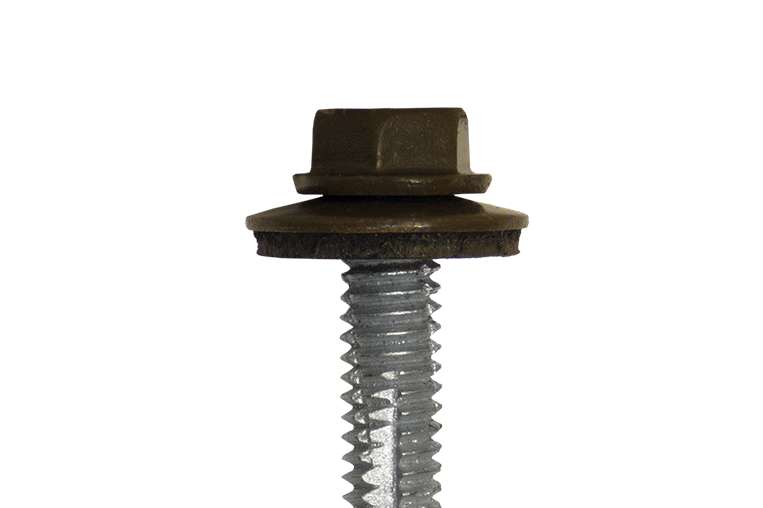
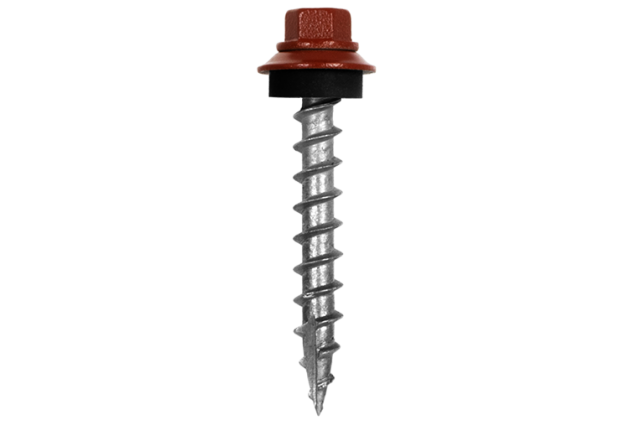
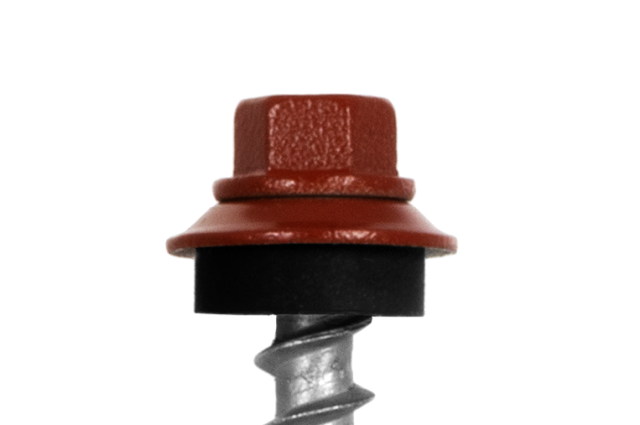
Painted or color-finished fasteners can reduce visual contrast on exposed fastener panels. That matters because the screw heads remain visible across the roof or wall. However, make sure that you can actually tell the color of the materials you are purchasing. Generic names may not match a specific panel manufacturer's color exactly, and something as simple as your screen settings could change how colors appear. So, double-check return policies and replacement options before purchasing a large quantity to protect yourself.
| If your project involves | Best product fit | Why it fits |
| Steel-to-steel fastening | #12 MetalGrip T5 Self Drilling Roofing/Siding Fasteners | Self-drilling #5 point, 5/16-inch hex head, and 15 mm EPDM washer for metal-to-metal work. |
| Metal panels over wood framing | #11 PG Hi-Lo EPDM Washered Metal Roofing/Siding Fasteners | Mini self-driller tip, hi-lo thread, and bonded EPDM washer for wood-frame roofing and sidewall use. |
| Stainless steel metal-to-wood fastening | #9 FG 300 Series SS Metal Roofing/Siding EPDM Washered Screws | 300 series stainless steel, aluminum EPDM washer, and sharp point drill tip. |
| General hex head roofing screws | Fastgrip #10 Hi-Lo MINI-DRILLER EPDM Washered Fasteners | A general exposed roofing and siding screw option for those comparing common hex head fasteners. |
| Replacing old or backed-out fasteners | #14 FastGrip Replacement EPDM Washered Screws | Larger replacement screw for oriented strand board, plywood, and metal-to-wood repair work. |
Exposed metal roof fasteners can be used for a wide range of applications. From corrugated roofs to metal siding, these construction materials have a critical purpose in many different projects.
Exposed fasteners are widely used on corrugated and ribbed metal panels because the screws can be placed through the panel face into the supporting structure. However, the fastener placement, screw spacing, washer style, and roof-zone requirements must follow the panel manufacturer's requirements for optimal results.
Exposed fastener systems are often faster and simpler to install than concealed fastener systems, and they fasten the panel directly to the structure. This is a major reason they remain common on residential, agricultural, and light commercial projects.
Steel-to-steel connections require self-drilling fasteners made for metal purlins or compatible steel framing. They also often require specific washers and fasteners capable of securing steel up to 0.5 inches thick, such as the #12 MetalGrip T5 self-drilling roofing and siding fastener.
Many exposed fastener systems are used for wall and roof panels, depending on the panel profile and project requirements. Metal siding fasteners require the same basic match: something capable of penetrating the substrate, sufficient length, a washer, and a coating.
Homeowners and do-it-yourself buyers often choose exposed fastener systems for barns, garages, sheds, porches, and homes where budget and straightforward installation matter. The system is familiar, the parts are easy to understand, and repairs are usually easier than on a concealed-fastener roof.
However, DIY roof work carries significant safety and performance risks. If you're unsure about the project, talk with a qualified local installer before starting. Never put yourself at risk with this type of work, especially when a roof is involved.
Barns, shops, equipment buildings, and post-frame projects often use exposed fastener panels. This is where buying a bulk bag is an excellent idea, as it helps contractors and property owners keep enough screws on hand for larger panel runs, trim areas, and future repair needs.
Exposed fastener roofs should be checked over time because screw heads and washers are exposed to the weather. Look for backed-out screws, rusted heads, cracked washers, tilted washers, and holes that have lost grip. These are all signs that the fasteners need to be replaced.
However, a loose screw doesn't always need a replacement of the same size. If the hole has enlarged, the right repair screw may need a larger diameter, a longer length, or a different washer style.
Always follow the panel manufacturer's fastening pattern, building-system requirements, and local installer guidance for job-specific details. Learning about the common mistakes people make is an excellent idea, as it can help you prevent significant damage to your property.
An underdriven screw may leave the washer too loose to seal. An overdriven screw can deform the washer, split the rubber, dimple the panel, or damage the finish. On painted fasteners, take extra care to protect the head finish and avoid slipping the driver across the panel.
The right fastener placement depends on the panel profile, substrate, building design, roof zone, wind exposure, and local requirements. The same screw pattern may be wrong for a different panel width or a different building location. You should follow the panel manufacturer's fastening layout and avoid performing larger jobs yourself. If you are dealing with repairs after storm damage or with roof sections that have unusual exposure, speak with a qualified installer to confirm the fastening plan.
Exposed fasteners face ultraviolet exposure, moisture, wind, and temperature movement. Over time, washers can crack, screws can loosen, and corrosion may show up at the head. A simple roof inspection can catch early problems before water reaches the substrate. Pay close attention to ridge areas, edges, high-wind zones, and older repair sections.
A backed-out or rusted screw should be replaced with a fastener that fits the current hole and substrate. Pulling out an old screw and installing one of the same diameter may not solve the problem if the hole has widened. You may need a specialty replacement part that can actually meet the project’s requirements.
Supply Maverick offers a wide catalog of fasteners, screws, washers, and more. We specialize in offering the right parts for the job, and our experts have the experience needed to guide you towards finding exactly what you need.
Supply Maverick is built for buyers who need more than a basic screw aisle. We have metal-to-metal, metal-to-wood, stainless steel, replacement, and EPDM washer fastener options for metal roofing and siding projects. Contractors can keep their projects moving along, and homeowners have a better path than relying on a standard pack of fasteners from a big box store.
We carry roofing and siding fasteners with EPDM washer designs made to seal exposed fastener penetrations when properly installed. Each of our product pages lists the washer size and style, so you can compare options before ordering. You can see the exact specs for each product and make a more informed decision.
We sell most of our fasteners in 250-piece bags, with bulk quantity pricing available for certain projects. This works well for contractors ordering by roof section, building package, or recurring repair work. We also offer price breaks on bulk orders for many of our products, along with free shipping for orders over $250 and Net30 accounts. For teams buying fasteners often, those options can make ordering cleaner.
Project schedules don't wait around for missing screws. Orders placed with us before 12 noon EST often ship the same day, which helps buyers get hard-to-find metal roofing and siding components moving quickly.
Supply Maverick is the e-commerce division of Mid-Michigan Metal Sales. That connection gives our customers access to product knowledge rooted in metal building components, not just general hardware. If you need help choosing between metal-to-metal screws, metal-to-wood screws, stainless steel roofing screws, or replacement fasteners, send us the information and let our experts help.
Supply Maverick supports contractors, property owners, do-it-yourself buyers, and purchasing teams with wholesale pricing availability, bulk quantity discounts, Net30 accounts for online purchases, and shipping to the United States, Canada, Australia, and New Zealand.
For larger orders or repeat purchasing, start with the product page. If you need help, we’re ready to step in. Reach out to us today, and we can give you our professional opinion about what products you need.
Exposed fasteners pass through the face of the metal panel, and the screw head remains visible. Concealed fastener systems use clips, seams, or hidden fastening points, which change the look, cost, installation method, and maintenance needs.
Exposed fasteners can help create a weather-resistant connection when the correct screw and EPDM washer are installed properly. The washer must sit evenly against the panel, because a loose, tilted, cracked, or overcompressed washer allows water to reach the fastener hole.
EPDM washer roofing screws fasten metal roofing and siding panels while helping seal the hole made by the screw. They're common in exposed fastener roof systems, corrugated panels, ribbed panels, wall panels, trim work, and repair projects.
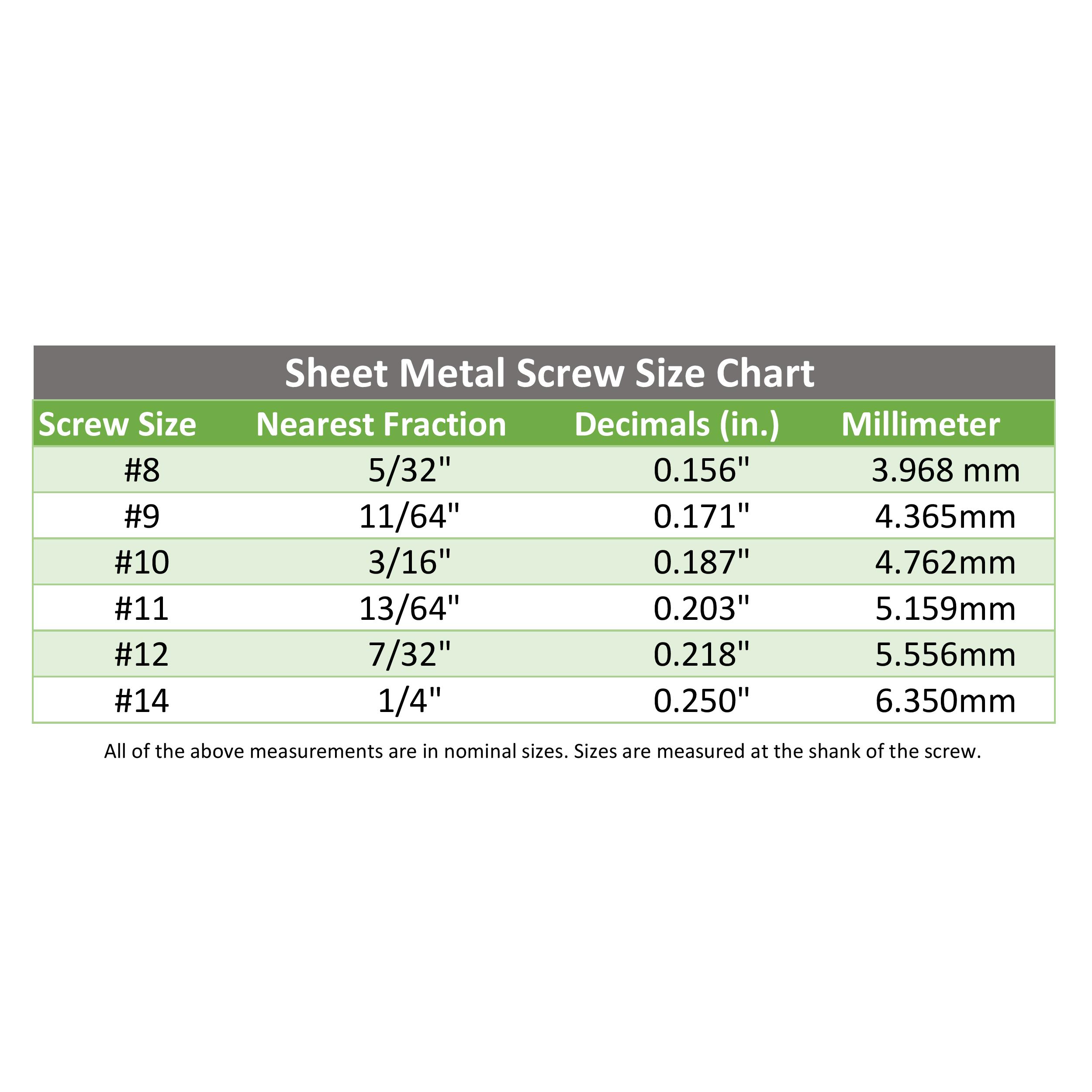
The right screw size depends on the panel profile, substrate, washer size, and required embedment. Start by identifying whether you're fastening into steel, wood framing, oriented strand board, plywood, or another material, then match the screw diameter, point type, and length to that substrate.
Fastener life depends on material, coating, washer quality, installation, climate, and roof movement. Stainless steel, mechanically galvanized, and coated fasteners can all be useful choices, but exposed fastener roofs should still be inspected, as the washers and fasteners are both exposed to the elements.
The number of fasteners depends on panel width, panel length, rib spacing, roof zone, building design, wind exposure, and the fastening pattern required for the panel. Follow the panel manufacturer's layout or ask a qualified installer to calculate the job-specific quantity.
Yes. Exposed fasteners are commonly used for metal siding and wall panel installation when the screw is matched to the panel and substrate. Supply Maverick carries roofing and siding fasteners for steel-to-steel and metal-to-wood use.
Yes. Exposed fasteners are commonly used on corrugated metal roofing and ribbed metal panels. The key is choosing the correct screw point, length, washer, head style, and coating for the panel and structure.
Use metal-to-metal screws when fastening into steel purlins or compatible metal framing. Use metal-to-wood screws when fastening panels to wood framing, oriented strand board, plywood, or other substrates.
Returns must be made within 30 days of receiving an item, and customers must submit a return request before sending the items in. The returns must be in a shipping company’s possession within 7 days of the request being approved. Some items, including special order items, cannot be returned. Returned items must be unopened and in their original packaging.
Yes. Many Supply Maverick fasteners are sold in 250-piece bags, and we sometimes offer bulk quantity pricing for larger orders. Contractors can also look for wholesale pricing, bulk quantity discounts, and Net30 account options.