How Screw Coatings Affect Corrosion Resistance in Roofing
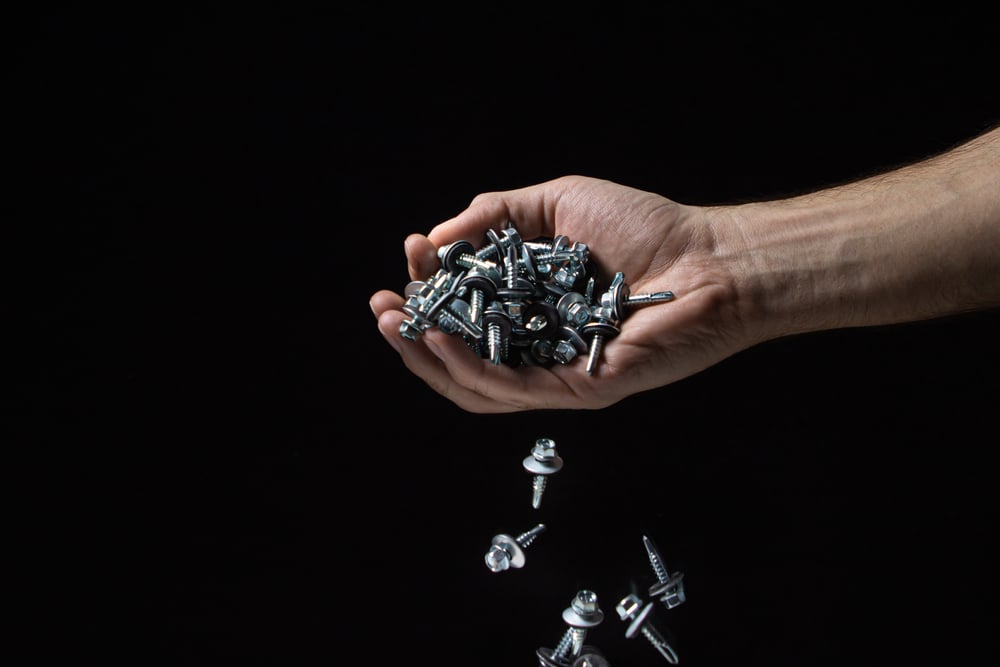
Several protective qualities are important to consider when it comes to your roofing, and corrosion resistance is typically high on this list. One particular element that can have an impact on corrosion resistance for your roof is the screw material you use for fastening, plus the corrosion resistance properties of that material.
At Supply Maverick, a division of Mid Michigan Metal Sales, we’re here to offer a huge range of metal roofing screws and other metal roofing fasteners for any need, including for clients who prioritize corrosion resistance for their roof. Here are some of the common screw coating materials that are found on roofing screws today, plus how roofing screws and corrosion resistance go together and how these various materials will help your roof steer clear of any corrosion issues.
Proper Coating and Fastener Lifespan
Before we get into some material options, it’s important to recognize the importance of the proper roofing screw coating – not just for corrosion resistance alone, but also for several related areas that speak to the long-term lifespan of your roofing fasteners.
One of the primary benefits of using coated roofing screws is their increased durability. Many coatings are specifically designed to protect the screw and underlying material from harsh weather conditions, such as extreme temperatures, UV rays, and moisture. This helps to prevent premature rusting or corrosion which can weaken the fastener and compromise the integrity of your roof.
Another benefit of a proper coating is its ability to act as a lubricant during installation. This makes it easier to drive the screws into place without causing any damage to the surrounding materials. The coating also reduces friction and heat generation during installation, which can help extend the lifespan of both the screw and the tool being used.
Now let’s look at some coating material options to consider.
Zinc and Galvanized Coatings
Some of the most common coating materials for roofing screws and corrosion resistance are zinc and galvanized coatings. Zinc is a well-known metal that offers excellent protection against corrosion, and it is often used as a coating material for screws because of its effectiveness and affordability.
In particular, zinc and galvanized coatings are ideal for resisting rust in various wet or moist environments, making them suitable for roofs that are frequently exposed to rain or snow. These coatings work by forming a protective layer over the steel material of screws, which prevents oxygen and water from coming into contact with the metal and causing corrosion.
However, it is worth noting that zinc and galvanized coatings can still corrode over time if they are damaged or worn down. Therefore, regular maintenance and inspections are crucial to ensure the long-term effectiveness of these coating materials. Additionally, certain environmental factors such as high levels of salt in coastal regions can also accelerate the corrosion process on zinc and galvanized coatings.
Ceramic and Polymer Coatings
Another common type of coating material is ceramic and polymer coatings. These coatings are typically used for their superior resistance to corrosion, wear, and abrasion. They also have excellent thermal and electrical insulation properties.
Ceramic coatings are made from inorganic materials such as oxides, carbides, and nitrides. They are known for their high hardness and ability to withstand extreme temperatures. Polymer coatings, on the other hand, are made from organic materials such as resins or plastics. They offer good flexibility and adhesion, making them suitable for applications where movement or vibration is present.
These roofing screws tend to be ideal for coastal or salty environments where corrosion is a major concern. The ceramic coating provides excellent protection against saltwater and other corrosive elements, making them a popular choice for roofing projects near the coast or in industrial areas.
Bare Steel: Stay Away
We also wanted to offer an example of a roofing screw material that should not be used if corrosion resistance is a key priority for your project. Bare steel screws, while more affordable than their coated counterparts, are not recommended for use in roofing applications due to their high susceptibility to corrosion.
Without any protective coating, bare steel roofing screws will quickly rust and deteriorate when exposed to moisture and other environmental factors. This can compromise the structural integrity of your roof and lead to costly damage over time.
As you can see, there are a few robust options for metal roofing screws with corrosion resistance in mind – but also some materials you should stay away from. For more here, or to learn about any of our metal roofing snow guards, fasteners or other products, contact our team at Supply Maverick today.