Inside How Commercial Snow Retention Plans Are Made
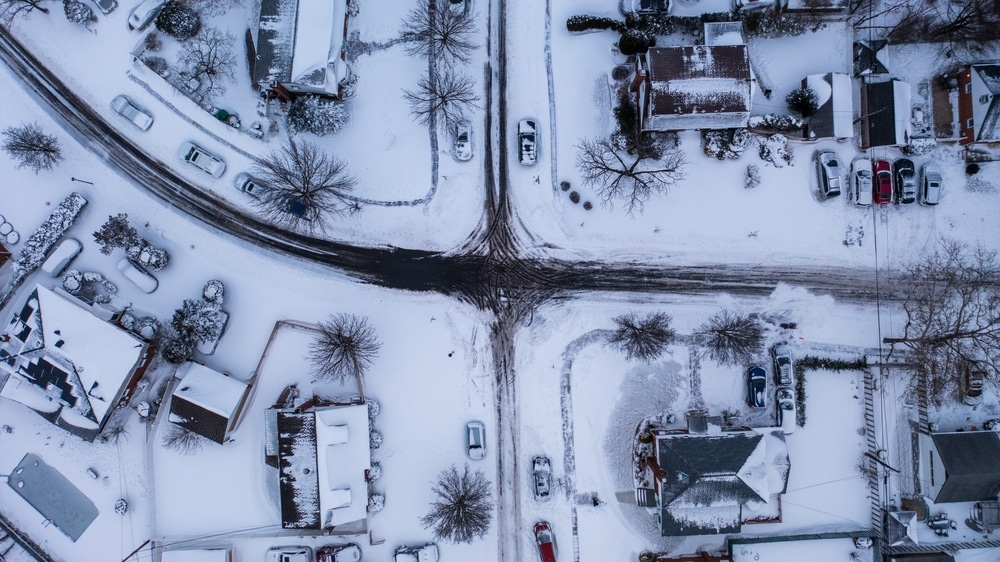
For many commercial buildings in locations that receive heavy snowfall during the winter, the creation of a snow retention plan is vital. This plan details the way snow management will be approached on your site, from the kinds of snow guards and other snowfall protection items used to pattern selection, product maintenance schedules and more.
At Supply Maverick, a division of Mid Michigan Metal Sales, we’re proud to offer the very best metal roof snow guards and related snowfall protection products, including metal roofing fasteners and more. We’ve helped numerous clients build and maintain snow retention plans for their buildings, and we’ll assist you with a top selection of quality products. Here are some basics on snow retention plans – why they’re important, some of the key elements present in setting them up, and important long-term maintenance considerations.
Snow Retention Plan Basics and Importance
For those just learning about snow retention plans, here’s a quick overview. Snow retention plans are crucial for buildings in areas with heavy snowfall or where snow and ice buildup can pose a safety hazard to people and property. These plans involve using specific products, such as snow guards, to prevent large chunks of snow from sliding off the roof all at once.
This not only protects people walking around your building but also helps protect gutters, landscaping, and other features that could get damaged by sudden avalanches of snow. It also protects you from liability if someone were to get injured by falling snow or ice.
Key Elements of a Snow Retention Plan
When creating a snow retention plan for your building, there are several key elements that need to be considered:
- Climate: The amount and type of precipitation in your area will determine the type and amount of snow retention needed.
- Roof pitch: The steeper the roof, the more likely it is to experience heavy snow loads.
- Roof materials: Different roofing materials have different tolerances for weight and may require different types of snow retention systems.
- Building height and location: Taller buildings or those located in areas with high wind speeds may need additional support to prevent drifting or sliding of snow.
- Aesthetics: Snow retention systems can be customized to blend in with your building’s design, preserving its appearance while still providing necessary protection.
Types of Snow Retention Systems
There are several types of snow retention systems available, each with their own benefits and uses. These include:
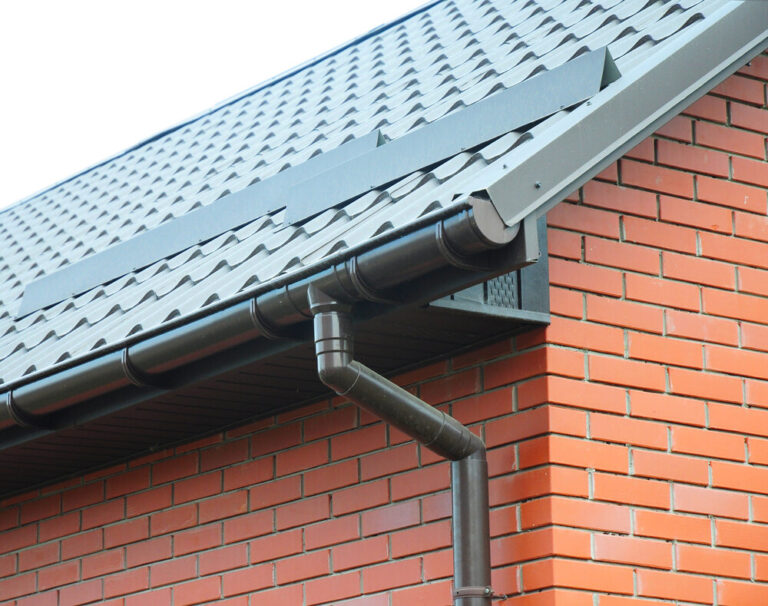
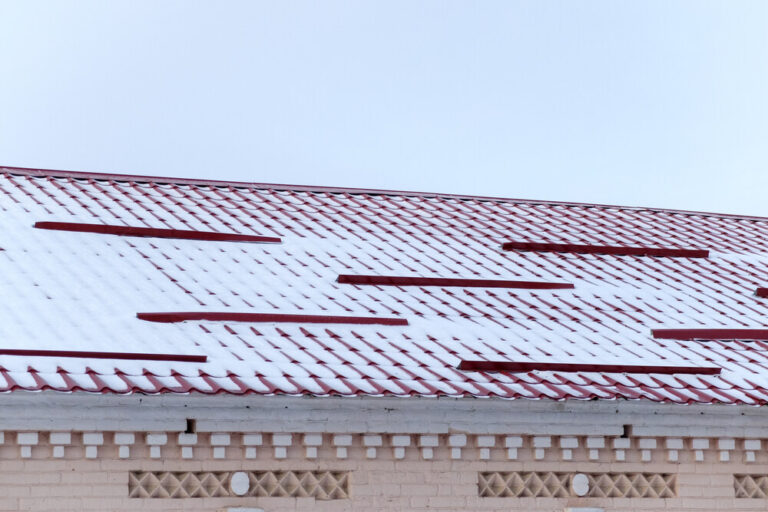
- Snow guards: These are individual guards or small fences placed along the roofline to prevent snow from sliding off in large sheets. They are a popular option for sloped roofs, as they can be installed on shingles, metal, or slate roofs.
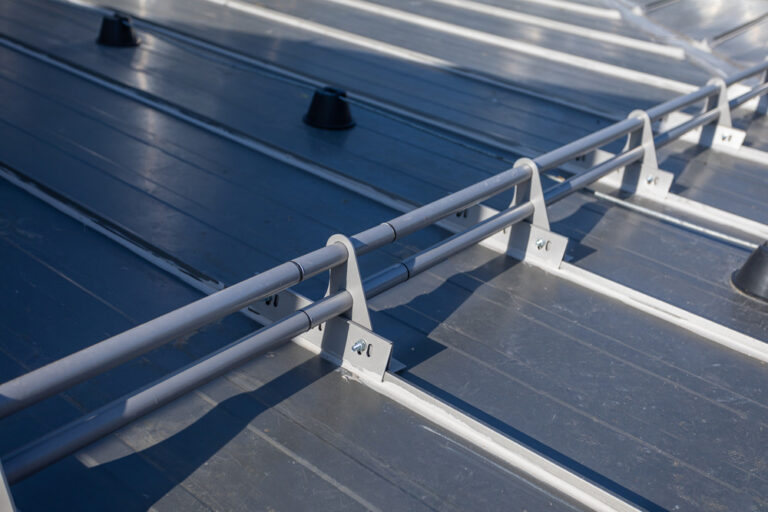
- Snow rail systems: Similar to snow guards, these consist of continuous rails along the roof that provide a barrier against sliding snow. They can also be used on sloped roofs and are usually made of metal.
- Pad-style systems: These have larger pads or blocks attached to the roof surface with brackets or clamps. The size and spacing of the pads can be customized based on your building’s needs.
- Hybrid systems: A combination of different types of snow retention systems can be used for maximum effectiveness. For example, you could use a combination of snow guards and pad-style systems on your roof.
It’s important to choose the right type of snow retention system for your building based on factors such as roof slope, local climate and amount of annual snowfall. It’s also crucial to have the system installed correctly by a professional to ensure its effectiveness and longevity.
Proper Quantity and Patterns
One of the most important considerations when installing a snow retention system is the proper quantity and pattern of the components. This will depend on the size and slope of your roof, as well as the amount of snowfall in your area.
In general, a higher roof slope will require fewer snow guards or pads, while a lower roof slope will need more. The spacing between each component is also crucial for even weight distribution and preventing large pockets of snow from accumulating and potentially causing damage.
It’s recommended to consult with a professional installer who can accurately determine the appropriate quantity and pattern for your specific roof design and location.
Maintenance
While snow retention systems are designed to be durable and long-lasting, regular maintenance is still necessary to ensure their effectiveness. Inspecting the system for any damage or loose components should be done at least once a year, preferably before the winter season begins.
Additionally, it’s important to keep an eye out for any excessive snow build-up on your roof. If you notice large amounts of snow accumulating in certain areas, it may be necessary to remove it manually to prevent strain on the system and potential damage to your roof. Regular maintenance and monitoring of your snow retention system can also help identify any potential issues early on and prevent costly repairs in the future.
When it comes down to it, investing in a quality snow retention system is a wise decision for homeowners living in areas with heavy snowfall. At Supply Maverick, we’re here to help with a huge selection of metal roof snow guards, metal roofing fasteners and more to help you create an optimal snow retention system. Contact us today for more information and let us help you protect your building this winter season.