What are Snow Guards

Key Takeaways
- Snow guards (also called snow stops or snow retention systems) keep snow and ice on a sloped roof long enough to melt and shed in smaller, safer amounts instead of sliding off in one hazardous sheet.
- Metal panels are slick. As sun or attic heat warms the roof, a thin melt layer forms between the snow and the metal, acting like a lubricant that makes sudden slides likely without retention.
- The right setup depends on roof type and design snow loads. Common solutions include pad-style (individual) guards, continuous bar or fence systems, and clamp-on, seam-mounted options for standing seam roofs.
- Reliable performance comes from proper engineering and layout across the full roof width using staggered rows with correct spacing. Under-designed patterns, poor spacing, or incorrect attachment are the usual failure points.
- Installed costs typically range from $1,000 to $4,000. Pad-style systems often start around $2.50 to $4.50 per square foot, while rail systems run higher. Paying a professional is a smart way to avoid leaks and protect warranties.
- Supply Maverick is your source for hard-to-find metal roofing and siding accessories. We stock Snow Defender guards, approved adhesives, and clamp-on options, and most orders placed before 12 p.m. EST ship the same day.
What Are Snow Guards on Roofs?
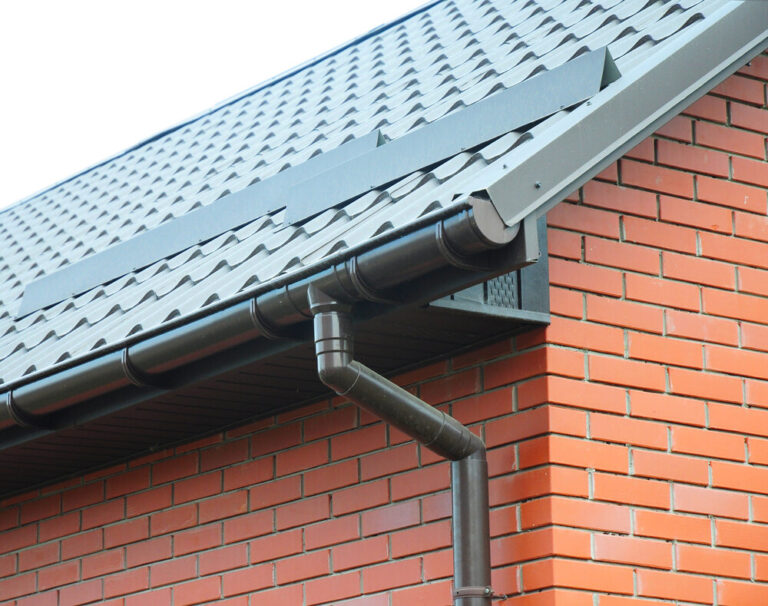
Snow guards are roof-mounted devices that add controlled friction to the roof surface so snow and ice stay put long enough to melt or release in smaller pieces. You might hear them called snow stops, snow cleats, or snow retention systems, but they all share the same idea: prevent sudden roof avalanches.
After a sunny afternoon followed by a cold night, a thin film of water often forms between metal and snow. Without retention, a large section can break free and slide at once. Snow guards interrupt that movement, distribute loads to the structure, and let the snowpack settle and melt gradually instead of dropping at the eave in one big sheet.
What Do Snow Guards Do? The Hidden Dangers of Snow Avalanches
Roof avalanches aren’t just annoying. Snow can be heavy, fast-moving, and destructive. A compacted 10-by-10-foot section can weigh hundreds of pounds, and a long bay after one wet storm can carry close to a ton. When that mass lets go, it doesn’t drift — it hits whatever’s below with force.
The damage adds up quickly: crushed heating, ventilation, and air conditioning (HVAC) units, torn-off gutters, broken windows, dented vehicles, and injuries to people walking underneath. There are documented incidents of roof slides burying families during thaw cycles. Even when no one is hurt, you may face liability exposure and repair bills in the thousands. Some insurers can even deny claims if you skipped reasonable safety measures for a metal roof in a snowy climate.
Snow guards change that equation. By adding friction and creating a baffle effect, they hold the snowpack longer, encourage gradual melt, and break big sheets into smaller sections. You get predictable shedding instead of a surprise avalanche.
Why Are Snow Guards for Metal Roofs So Important?
Metal roofing is durable and energy efficient, but it’s also slick. Painted steel or aluminum panels have a low coefficient of friction, especially once a melt layer develops between snow and metal. What felt locked in place at sunrise can turn slippery by midday. Compared with gritty asphalt shingles that naturally grip snow, metal sheds quickly (and sometimes violently), without retention.
That’s why snow guards are widely recommended on metal roofs wherever winter brings measurable snow. They help protect:
- People using entries, walkways, decks, and loading areas
- Equipment mounted below eaves (condensers, generators, tankless water heaters)
- Architectural elements such as gutters and fascia
- Landscaping and vehicles parked alongside buildings
- Neighboring property where slides could cause damage
There’s also the insurance angle. Many insurers expect reasonable steps to reduce foreseeable hazards. A well-designed snow retention system lowers risk, and some carriers even offer premium benefits. Conversely, improper or missing retention can increase liability exposure.
Types of Snow Guards for Metal Roofs
There isn’t a one-size-fits-all answer. Roof type (exposed fastener or standing seam), local design snow loads, eave-to-ridge length and pitch, and whether you want a discreet or prominent look all matter. Here are the main categories and where each tends to excel.
Pad-Style (Individual) Snow Guards
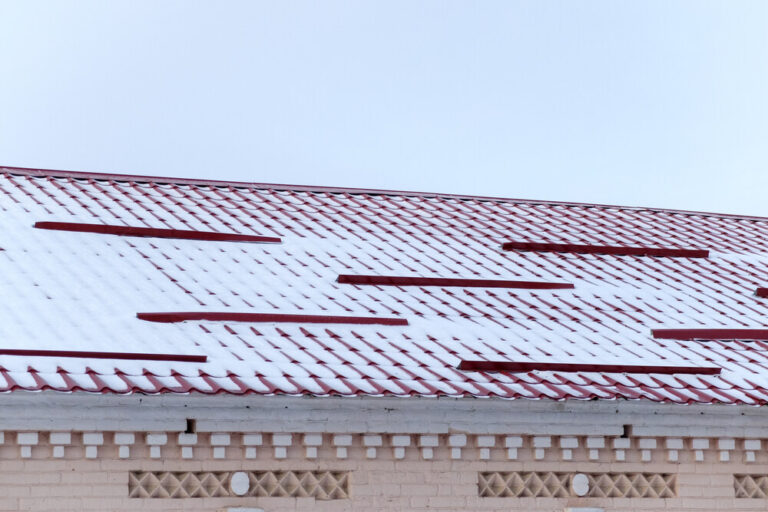
Pad-style guards are individual units (typically compact polycarbonate or metal pads) installed in staggered rows across the full roof width. Instead of forming a single barrier, they spread load by boosting surface friction at many points.
Advantages:
- Budget-friendly on small to mid-size roofs
- Strong at distributing loads to the structure when laid out in multiple rows
- Flexible attachment options: adhesive-only on many metal profiles, or screw-down to structure on exposed-fastener panels
Where they shine:
- Residential homes and light commercial buildings in moderate to heavy snow zones
- Roofs where a low-profile, less conspicuous look is preferred
Attachment notes:
- Adhesive-mounted polycarbonate guards are commonly paired with an approved adhesive such as SureBond SB-190. When overloaded, they tend to release before tearing the roof panel and can be reinstalled correctly in the same location after cleanup.
- Screw-down installations must fasten into structural decking or framing/purlins with self-drilling screws and sealing washers. Use a high-quality metal roof silicone at penetrations, and follow the guard manufacturer’s layout instructions.
Popular pad-style examples available from Supply Maverick:
- Snow Defender 1500 designed for use with an exposed fastener panel.
- Snow Defender 4500 (powder-coated stainless; exposed-fastener roofs).
- SureBond SB-190 Adhesive for polycarbonate guards.
Bar-Style and Fence-Style Snow Guards
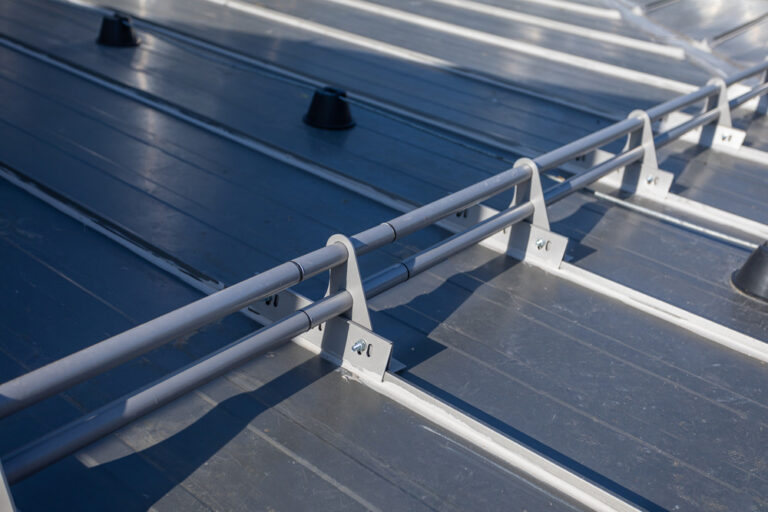
Bar-style systems (also called rail or fence systems) form one or more continuous lines of snow retention running along the roof, typically a set distance up from the eave. These rails act like a shallow fence that holds the snowpack while meltwater drains and the mass releases gradually.
Advantages:
- Excellent control on long roof runs, steep pitches, and in high snow-load regions
- Predictable performance when engineered and installed per manufacturer spacing guidance
- Often available in color-finish options or with color strips to blend with the roof
Fence-style variations add vertical uprights connected to horizontal rails to increase the dam effect. They’re more visible than pad-style guards, but for extreme conditions or architectural projects demanding maximum retention with minimal rows, they’re often the top choice.
Typical applications:
- Commercial buildings and agricultural structures with long eaves
- Mountain regions or lake-effect zones where heavy, wet snow is common
Bar or fence systems you’ll see specified:
- S-5! ColorGard Rail System for standing seam and other profiles (engineered, color-finish options ).
- Two-rail fence configurations paired with appropriate clamps or brackets for extreme loads
Seam-Mounted vs. Fastener-Attached
Standing seam metal roofs are best served by non-penetrating, clamp-on solutions that attach directly to the seams with engineered clamps. This avoids panel penetrations and the leak risk they introduce, and it helps preserve many manufacturers’ roof warranties when you follow the instructions.
- Clamp-on (seam-mounted ): Clamps are matched to the seam profile and metal thickness. Systems using S-5 clamps with pad-style cleats or continuous rail deliver excellent performance without drilling panels. Because loads route through the seam, use engineered layouts, the correct clamp model, and specified torque.
- Fastener-attached: On exposed-fastener metal roofs, fastening snow guards into structural wood decking or steel purlins provides a strong connection. Use self-drilling screws with sealing washers and a high-quality metal roof silicone. Plan fastener placement carefully to prevent leaks.
- Adhesive: Polycarbonate pad-style guards often use SureBond SB-190 on both exposed-fastener and standing seam panels. It’s a proven option where you want to avoid penetrations. Surface prep, temperature limits, and cure time are critical — follow the adhesive and guard manufacturer’s instructions.
Product options for seam-mounted and specialty areas:
- Snow Defender 6500 for standing seam applications when paired with the correct panel system.
- S-5 S5U Clamp universal clamp option for many standing seams; verify seam type.
Do Snow Guards Work? The Truth About Effectiveness
Yes — they work when they’re designed and installed correctly. It’s not about the biggest pad or tallest rail; it’s about engineering a layout that spreads snow loads across the entire roof area and accounts for roof length, pitch, panel type, and your region’s design snow load. A properly specified pattern holds the snowpack longer, breaks up sheets as they loosen, and releases the mass in smaller segments over time.
Problems usually start when people guess at quantities or protect only doorways and walkways. That concentrates forces and can create a ripping line as the snow above pushes down. The right approach runs the system across the full roof width with staggered rows at calculated intervals, often starting within 6” to 12” of the panel end and stepping upslope.
Why Snow Guards Fail
Snow guard failures usually trace back to a few preventable mistakes:
- Using too few guards or rails for the roof length and local snow loads
- Laying out a single straight line at the eave instead of staggered rows across the full width
- Isolating small areas (like just above a door ) instead of treating the entire roof plane
- Attaching to non-structural points or relying on insufficient fasteners
- Skipping manufacturer layout guidance and adhesive cure times
- Using generic caulk instead of a high-quality metal roofing silicone; poor sealants can fail in a few years and cause leaks
- Ignoring upper roofs that dump onto lower roofs, overwhelming the lower system
The fix for all these issues is clear: follow an engineered layout and the product’s exact installation instructions. The best systems are tested with load data tied to panel type and roof slope, so you can plan with confidence.
How Much Do Snow Guards Cost?
Installed costs vary with roof size, pitch, snow load, system type, and local labor. As a quick frame of reference:
- Pad-style (individual) systems: about $2.50 to $4.50 per square foot installed
- Clamp-on (standing seam) pad systems: about $4.00 to $7.00 per square foot installed
- Continuous bar or fence-style rail systems: about $5.00 to $8.00 per square foot installed
- Heavy bar systems for extreme loads: about $6.00 to $12.00 per square foot installed
Typical totals run $1,000 to $4,000 for a professional installation, though small areas can be closer to $500 and large, complex roofs can exceed $10,000. Your final number depends on:
- Roof size and pitch: larger and steeper roofs need more rows and/or rails
- Material and finish: polycarbonate vs. powder-coated stainless vs. color-finished metals
- Attachment method: adhesive-mounted vs. screw-down vs. clamp-on to standing seams
- Local labor rates: some pros charge by linear foot ($3 to $7) or a flat project rate
- Permits and site conditions: $50 to $200 for permits where required, plus access and safety setup
- Extras: custom colors, heated systems, or enhanced hardware
Example scenario: A 40-foot-wide, 20-foot eave-to-ridge exposed-fastener roof in a heavy-snow region might require three to four staggered rows of pad-style guards across the full width. Material and adhesive could fall in the mid-hundreds to low-thousands, with installation bringing the total to roughly $2,000 to $4,000 depending on local rates and the exact layout.
Why Professional Installation is Worth the Investment
We get it — DIY can be tempting. With snow guards, though, cutting corners often costs more than hiring a pro.
- Safety: Metal roofs are slippery, especially in cold weather, and falls are a real risk.
- Leak prevention: Misplaced fasteners and poor sealants cause leaks that can rack up thousands in interior damage. Pros know how to hit the structure, prep surfaces, and seal penetrations correctly.
- Warranty protection: Many roofing and snow guard manufacturers require specific installation methods. Improper attachment can void warranties on both the guards and the roof.
- Correct layout: Professionals calculate spacing based on roof length, pitch, panel type, and regional loads. That’s the difference between a system that works and one that fails during the first heavy snow.
Supply Maverick supplies premium components, but we don’t install. For best results, consult a qualified local installer familiar with metal roofing and snow retention systems. If you’re coordinating materials yourself, we’re happy to help you choose the right products for your roof type and goals.
Getting the Right Supplies for Your Project
You’ve got options. The key is to match your roof type and snow load to an engineered solution and the proper attachment method. As the e-commerce division of Mid-Michigan Metal Sales, Supply Maverick pairs manufacturer-backed expertise with an in-stock selection of hard-to-find components. Most orders placed before 12 p.m. EST ship out the same day, so you can keep the project moving apace.
Here are popular, field-proven products our customers choose for metal roofs:
- Snow Defender 4500 (powder-coated stainless, exposed-fastener roofs). A durable pad-style guard that spreads load effectively and blends well on residential and light commercial projects.
- Snow Defender 6500 (standing seam). Designed to pair with the correct standing seam profile for non-penetrating attachment on many standing seam profiles.
- Snow Defender 7500 (powder-coated or mill finish). A 304 stainless steel model that has the more traditional, historic look of a cast snowguard.
- S-5! ColorGard Rail System (continuous rail). Engineered rails with color options to complement your roof, built to handle significant snow loads when laid out properly.
- Snow Defender PC240 Clear (polycarbonate Lexan). Clear, virtually invisible, and holds up to the weather elements.
- SureBond SB-190 Adhesive. The go-to adhesive for mounting many polycarbonate pad-style guards on metal panels. Proper surface prep and cure time are essential.
A few buying tips to save time and avoid rework:
- Treat the whole roof: Plan a pattern that runs across the full width of each roof plane, not just over doors.
- Start low and step up: First row commonly within 6” to 12” of the panel end, then additional staggered rows 18” to 30” upslope based on roof length, pitch, and snow load.
- Match the attachment to the roof: Clamp-on for standing seams, screw-down or adhesive for exposed-fastener profiles, and use structural attachment where specified by the manufacturer.
- Choose the right sealant: If your system requires penetrations, use a high-quality metal roofing silicone at fasteners. Generic caulk won’t last.
- Color coordination: Many metal guards and rails offer factory finishes that complement common roof colors. If matching is important, ask us about available finishes before you order.
Why buy from Supply Maverick
- Hard-to-find inventory: We stock specialized snow guards and mounting hardware you won’t find at big-box stores.
- Speed you can count on: Most orders placed before 12 p.m. EST ship the same day. We ship to the US, Canada, Australia, and New Zealand.
- Value at scale: Take advantage of wholesale pricing and bulk-quantity discounts.
- Business-friendly terms: Net 30 accounts are available for online purchases.
Need help dialing in the layout or picking the right parts? Reach out with your roof details and the exact product names or SKU numbers you’re considering (for example, Snow Defender 4500 and S-5-U Clamp). Our team will help you build a materials list that fits your roof and your snow conditions so the system performs when winter arrives.
References
- Dan Simms. “How Much Does It Cost to Install Snow Guards? [2026 Data].” Angi, March 6, 2026, August 2026. https://www.angi.com/articles/cost-to-install-snow-guards.htm