Snow Guard Installation Cost: What to Expect and How to Budget
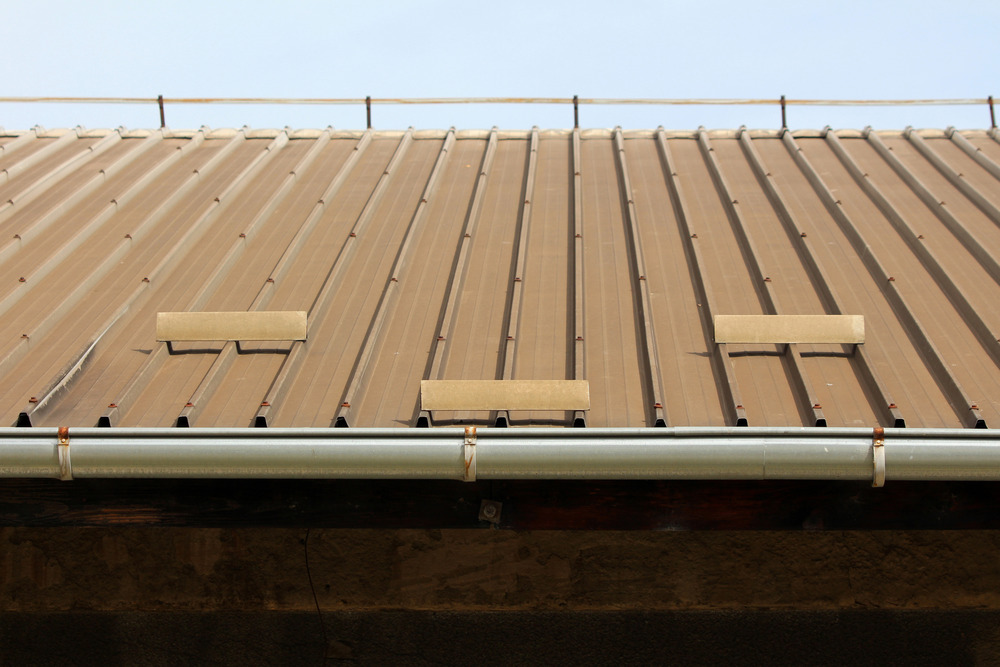
Key Takeaways
- A full snow guard installation typically runs $1,000 to $4,000, averaging around $1,500 for a standard roof.
- Materials can cost as little as $3 per piece for basic plastic guards or run past $15 per piece for copper; labor usually makes up the larger share of the total bill.
- Quantity affects the price more than material choice does. Roof pitch and snow load determine how many guards you need.
- Clamp-on systems for standing seam roofs are the most DIY-friendly option. Screw-down and hidden systems are safer left to a professional.
- Buying your own materials and collecting quotes from more than one installer are the two most effective ways to control the final number.
Most homeowners land somewhere between $1,000 and $4,000 for a complete snow guard installation, including materials and labor. The number swings hard in both directions, though. A small accent job on a single roof plane might come in under $500, while a full retention system across a steep, multi-story metal roof can climb past $10,000. Where you land depends less on any single price tag and more on how many guards your roof actually needs.
This guide breaks down what drives that number in either direction, covering material style, roof pitch, labor rates, and the question of quantity. Supply Maverick stocks and ships the guards themselves, so the material pricing comes straight from what these products actually cost. A qualified local installer is still the right call for labor quotes and anything tied to your specific roof.
How Much Does Snow Guard Installation Cost on Average
Industry cost data puts the average snow guard project at roughly $1,500, with most homeowners spending somewhere between $1,000 and $4,000 for a full job. A single-story ranch with one roof plane needs far fewer guards than a steep-pitched Cape Cod with dormers and valleys, and the price reflects that gap.
What’s Included in That Price
A typical quote covers a handful of line items.
- Materials: The snow guards themselves, priced per piece or per linear foot depending on style.
- Fasteners and brackets: Hardware that anchors the guards to the roof deck or seam.
- Labor: Time on the roof, plus any equipment needed for access.
- Permit fees: Charged in some municipalities, especially for larger or historic-home projects.
Small Job vs. Large Job Cost Range
A small job, like protecting one entryway or a short section above a walkway, can run about $500. A whole-roof system on a large or multi-story home, especially one that needs an engineered layout, can run $10,000 or more once you add labor and access equipment.
Is the Cost Worth It
Snow guards add an upfront cost most homeowners weren’t planning for, but weigh that against what an uncontrolled snow slide can do. A slab of ice and snow releasing all at once can tear gutters loose, crack fascia, damage siding, and wreck anything parked or planted below the eave line. Repairing that kind of damage, or replacing a gutter system, often costs more than the guards would have upfront. For anyone in a region that sees regular snowfall, the math usually favors spending the money upfront.
Snow Guard Material Costs by Type
Snow guard pricing splits along two lines: individual pieces installed one at a time, and continuous systems that run the length of the eave. Price swings mostly come down to material choice and how much coverage a single piece provides. Here’s how the common styles stack up.
| Style | Typical Price | Priced By |
| Plastic pad-style guard | $3–$10 | Per piece |
| Powder-coated steel pad guard | $3.40–$5.25 | Per piece |
| Copper pad-style guard | $15–$20 | Per piece |
| Continuous rail or bar kit | $2.40–$3+ | Per linear foot |
| Clamp-on rail for standing seam | Higher upfront cost | Per linear foot |
Individual Pad-Style and Pin-Style Snow Guards
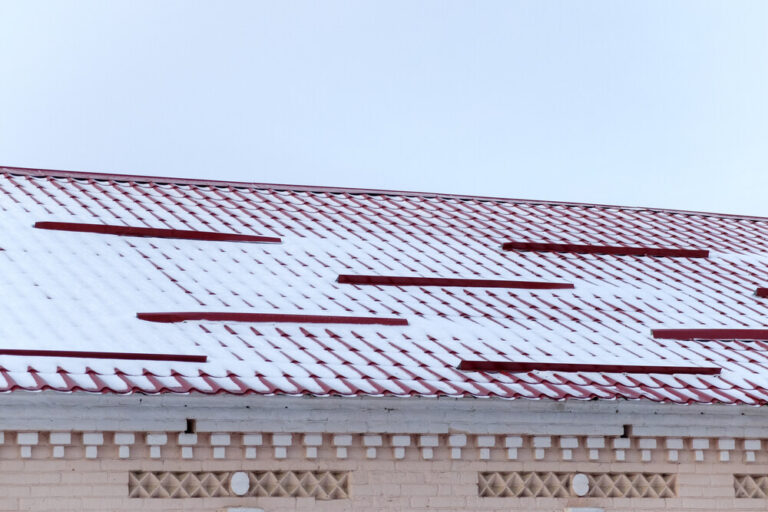
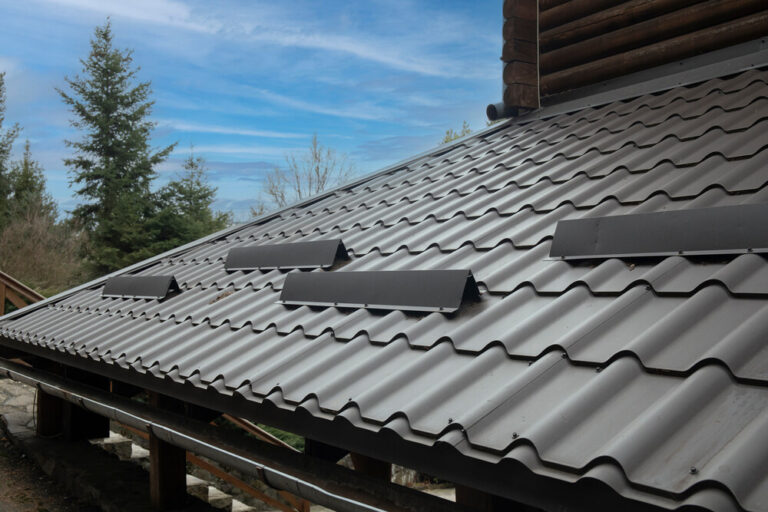
These are the small, single-point guards scattered across a roof in a staggered pattern. A basic powder-coated version, like Supply Maverick’s Snow Defender 4500, runs $3.40 to $5.25 apiece. Most homes need dozens, so the per-unit price matters less than the total count.
Bar-Style and Fence-Style Continuous Snow Guards
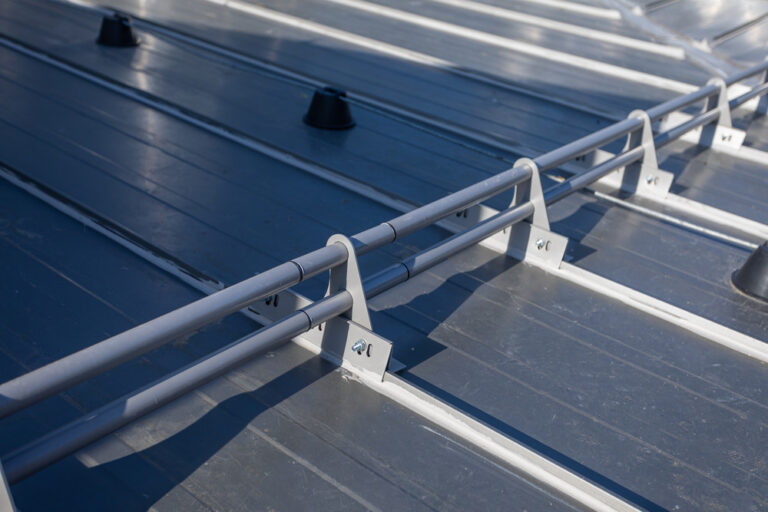
A continuous rail spans the eave in one or two long runs, replacing dozens of small individual pieces with a single system. Supply Maverick’s Hardy Rib Snow Rail ships as an 80-foot kit for around $195, which works out to roughly $2.44 per linear foot in materials. Fewer individual pieces to place usually means less labor time, even though the material itself costs more upfront.
Choosing Between Plastic and Metal Snow Guards
Plastic and powder-coated steel guards cost the least and hold up fine on a rental property or a roof you don’t plan to keep past a decade or two. Copper guards run $15 to $20 each, more than triple the entry-level price, but they’ll outlast the roof itself and age into a finish plenty of homeowners actually want on a house they plan to keep. A clamp-on system built for standing seam, like an S-5 rail, costs more per foot than a basic pad guard but skips roof penetrations entirely. Warranty coverage on the guards themselves varies quite a bit by manufacturer, so it’s worth checking that detail before buying, separate from whatever workmanship warranty a contractor offers on the installation.
Don’t Forget Fasteners
The guard is only half the job. Whatever holds it down needs to match the roof it’s going onto, and the wrong screw undermines everything above it. For exposed-fastener panels, something like Supply Maverick’s Fastgrip #10 Hi-Lo EPDM washered screw seals the penetration and holds up through repeated freeze-thaw cycles. It’s an easy line item to forget when budgeting, and it adds up faster than most people expect across a full roof.
What Affects Snow Guard Installation Cost
Two roofs the same size can land on wildly different quotes, sometimes double or triple each other’s number. A handful of variables drive that gap, and most of them come down to how the roof itself is built.
Roof Pitch and Snow Load
A steeper roof sheds snow faster and with more force, so it needs a denser guard pattern to hold that load safely. Regions with heavy annual snowfall need more rows, spaced closer together, than a mild-climate roof with the same pitch.
Roof Size and Layout
Valleys and dormers each need their own coverage, and so does every additional roof plane. A simple rectangular roof is straightforward to price. A roof with many planes meeting at odd angles multiplies both the guard count and the labor time.
Roof Type Changes the Installation Method
Standing seam roofs use clamp-on guards that grip the seam without drilling a single hole. Exposed-fastener metal panels and shingle roofs need screw-down guards instead, which take longer to install correctly and carry more leak risk if done wrong. Shingle roofs sometimes need shingles pulled back and reset around the guard, adding time either way.
Roof Accessibility and Building Height
A steep multi-story roof needs harnesses and staging that a single-story ranch doesn’t, plus the extra caution that comes with added height. That safety equipment and the extra time it takes show up in the labor line rather than the material line, so ask your installer directly how access affects their quote.
How Many Snow Guards Do You Need
This question determines your total cost. Two identical roofs can need very different guard counts depending on pitch, snow load, roof length, and local climate, and quantity affects the price more than material choice or brand ever will. Get this number right, and the rest of the budget falls into place.
Rough Spacing Guidelines by Roof Pitch
As a general starting point, low-slope roofs often need one row of guards spaced across the eave. Steeper roofs typically call for two or more staggered rows working up from the eave toward the ridge. These are rough numbers meant to set expectations, not a substitute for a real calculation based on your specific roof and local snow load data.
When to Get an Engineered Layout
Steep pitches and heavy snow regions call for a proper engineered layout rather than a rule-of-thumb guess, and so does any project where local code requires it. A qualified local installer or structural professional can run the numbers for your roof and confirm you’re not under-protected.
Labor Costs and What Installers Typically Charge
Labor usually makes up the larger half of a snow guard budget, so it’s worth knowing what to expect before calling around. The numbers below reflect general market data, not a Supply Maverick service. Supply Maverick supplies the materials; for installation, budget time to get quotes from a qualified local roofing contractor.
Per-Project vs. Per-Linear-Foot Pricing
Some contractors charge a flat project rate with a minimum service fee, often $200 to $400 for a smaller job. Others price by the linear foot, commonly $3 to $7, with roof height and complexity pushing that number higher.
Regional Labor Rate Differences
Urban markets and areas with high demand for skilled roofers tend to run above the national average. A quote from a contractor in a big city can look nothing like a quote for the same-size job two counties over, so treat any single number as a starting point, not a guarantee.
Questions to Ask a Roofing Contractor Before You Book
Before signing anything, ask a few pointed questions. Does the quote include a workmanship warranty, and for how long? Will the contractor install guards supplied by the homeowner, or only their own stock? What’s the realistic timeline, and does the price include cleanup once the job wraps up?
DIY Snow Guard Installation Can Save Money But Not Always
Skipping the labor line saves money, sometimes hundreds of dollars on a small job, but not every roof or guard style makes that a safe bet. The guard style and the roof it’s going on decide whether DIY is a smart move or a dangerous shortcut.
When DIY Makes Sense
Clamp-on systems for standing seam roofs are the most forgiving option for a confident DIYer. They grip the seam mechanically, without drilling into the panel, which removes most of the leak risk that comes with screw-down alternatives.
When to Call a Professional Instead
Anything on a steep or multi-story roof belongs to a professional, full stop. Screw-down systems on shingle or exposed-fastener panels carry real leak risk if the fasteners aren’t sealed correctly, and any project on a historic home or one requiring shingle removal is worth handing off.
Hidden and Additional Costs to Budget For
A few line items catch homeowners off guard after the main quote is in hand. None of them show up on purpose to pad the bill; they just don’t surface until the project is already underway. Budgeting a little cushion for these up front avoids an unpleasant surprise later.
Permits and Local Code Requirements
Some municipalities require a permit for snow guard installation, particularly on larger projects or historic homes. Fees typically run $50 to $200 depending on location, and skipping a required permit can create problems later if you sell the home.
Roof Repairs or Prep Work
Old shingles or rusted flashing found once work starts can add to the final bill, along with any roof damage uncovered along the way. Ask your installer upfront how they handle surprises so a repair doesn’t turn into a surprise invoice.
Shipping and Order Minimums
Most Supply Maverick orders ship out the same day when placed before the daily cutoff, though actual delivery timing depends on the carrier and destination. Bulk and wholesale pricing tiers are available for contractors ordering across multiple properties, which can meaningfully lower the per-unit material cost on a larger job.
How to Budget for Snow Guard Installation
Controlling the final number comes down to a handful of practical moves, not a single trick. The approaches below apply whether it’s a small accent job or a full-roof system, and none of them require cutting corners on quality to save money.
Get Multiple Quotes
Labor rates vary enough by contractor and region that a single quote rarely tells the whole story. Two or three quotes give a much clearer picture of what’s actually normal for your roof and area.
Buy Materials Direct to Control Cost
Supplying your own snow guards to your installer, rather than letting the labor quote include marked-up materials, is a legitimate way to lower the total. Supply Maverick ships to the US, Canada, Australia, and New Zealand, and offers Net 30 accounts for contractors managing purchases across an active project timeline.
Plan for Off-Season Installation Where Possible
Booking a roofing contractor in late summer or early fall, ahead of the first snowfall, helps to avoid the scheduling crunch and peak-season pricing that comes with waiting until the first storm hits.
Find the Right Snow Guards for Your Roof
Supply Maverick stocks the hard-to-find styles big-box stores tend to skip. That includes budget-friendly plastic and powder-coated pad guards, copper options, and clamp-on systems built for standing seam roofs. Most orders ship out the same day, and the team can help match a guard to a specific roof profile for anyone unsure where to start. Supply Maverick is backed by Mid-Michigan Metal Sales, so the product guidance here comes from people who work with these components daily. For installation, a qualified local roofing contractor is still the best resource.
Frequently Asked Questions
How much do snow guards cost per linear foot?
Continuous bar and rail systems typically run $2 to $3 per linear foot for materials on the budget end, and cost more for premium clamp-on systems built for standing seam roofs. Labor commonly adds $3 to $7 per linear foot depending on the market.
Can I install snow guards myself?
Clamp-on systems for standing seam roofs are the most DIY-friendly option since they don’t require drilling into the panel. Screw-down systems carry a higher risk of leaks if the fasteners aren’t sealed correctly, and anything on a steep or multi-story roof is safer to leave to a professional.
How many snow guards does my roof need?
It depends on your roof’s pitch, snow load, layout, and climate, and it’s the single biggest driver of total cost. A rough starting point comes from general spacing guidelines, but a properly engineered layout from a qualified professional gives an accurate number for your specific roof.
Do snow guards require a permit?
Some municipalities require one, especially for larger projects or historic homes, with fees typically running $50 to $200. Check with the local building department before work starts.
What’s the most affordable way to prevent snow and ice from sliding off my roof?
Basic plastic or powder-coated pad-style guards are the least expensive material option, and buying them directly rather than through a marked-up labor quote keeps the material side of the budget in check. Getting multiple labor quotes helps control the rest.
Does homeowners insurance cover the cost of snow guard installation?
Typically, no. Homeowners insurance generally covers sudden, accidental damage, like a roof collapse from snow load, rather than preventive upgrades like snow guards. Some insurers may factor snow guards into a broader risk assessment, so it’s worth asking a provider directly.